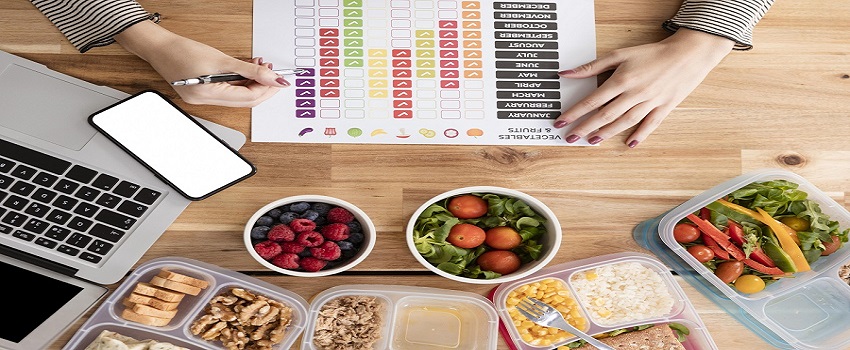
30-day budget meal challenge strategies help families take control of rising food costs. Food prices keep changing, and many households feel the pressure every week at the grocery store. Without a clear plan, it’s easy to overspend or rely on takeout. A simple monthly challenge can change that.
By planning meals, cooking at home, and tracking grocery spending, families can save money and waste less food. Here, you’ll learn practical ideas, simple meal strategies, and step-by-step ways to complete a 30-day budget meal challenge successfully.
What Is a 30-Day Budget Meal Challenge? (Simple Definition)
A 30-day budget meal challenge is a simple way to lower grocery spending by planning and cooking meals at home for one full month. Families commit to using affordable ingredients, reducing takeout, and sticking to a grocery budget. The goal is to save money, waste less food, and build better meal planning habits that last beyond the challenge.
Key Ideas Behind the Challenge
- Plan meals before shopping.
Decide what you will cook for the week so you only buy what you need. - Use affordable staple foods.
Meals rely on budget-friendly ingredients like rice, beans, pasta, eggs, and seasonal vegetables. - Cook at home more often.
Preparing meals at home is usually far cheaper than ordering takeout. - Track grocery spending.
Keeping track of what you spend helps you stay within your monthly food budget. - Reduce food waste.
Leftovers and pantry ingredients are used before buying new food. - Focus on simple meals.
The challenge works best with easy recipes that don’t require expensive ingredients. - Build long-term habits.
After 30 days, many families keep the same budget meal planning system because it works.
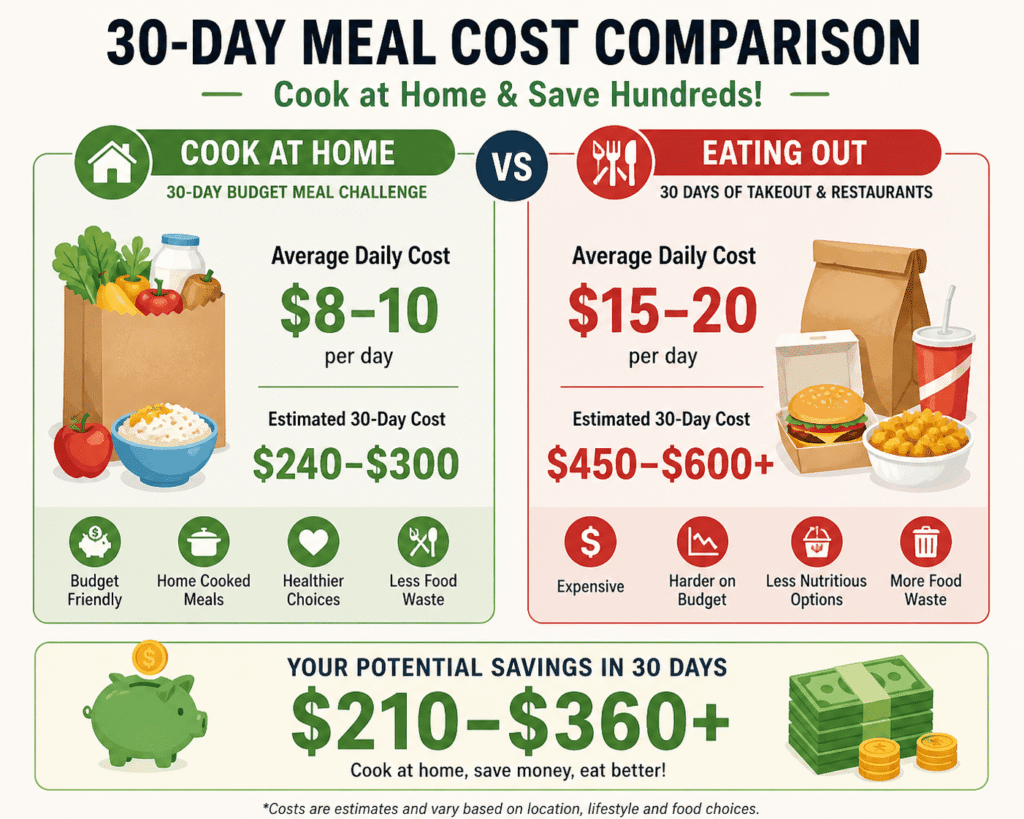
This challenge is one of the best ways to master budget meal planning
Why a 30-Day Budget Meal Challenge Helps Families Save Money Fast
A 30-day budget meal challenge helps families lower grocery spending by planning meals, using affordable ingredients, and avoiding last-minute takeout. When meals are planned ahead, families waste less food and shop with a clear purpose. Over a month, these small changes can lead to noticeable savings and better control of the household food budget.
Biggest Benefits Families Notice
- Lower grocery bills
Planning meals around affordable ingredients helps reduce impulse purchases and unnecessary spending. - Less food waste
Leftovers and pantry items are used before buying new groceries. - Fewer takeout meals
Having meals ready at home reduces the temptation to order food. - Better grocery planning
Families shop with a list instead of guessing what they need. - Healthier home-cooked meals
Cooking at home often means fewer processed foods and more balanced meals. - Less stress during busy weeks
When meals are planned, families don’t struggle every evening deciding what to cook. - Stronger budgeting habits
Tracking grocery spending for 30 days builds long-term money-saving habits.
How Much Money Can You Save With a 30-Day Budget Meal Challenge? (Real Numbers)
A 30-day budget meal challenge can reduce grocery spending by focusing on planned meals, cheaper ingredients, and fewer takeout orders. Most families notice real savings within the first two weeks because they stop impulse buying and use what they already have at home.
Realistic Savings Example
| Spending Habit | Monthly Cost |
|---|---|
| Eating out + random groceries | $450–$700 |
| Unplanned grocery shopping | $350–$500 |
| 30-day budget meal challenge | $200–$300 |
- Many families save 20% to 40% on groceries
- Less food waste means more meals from the same ingredients
- Fewer grocery trips reduce extra spending
Best 30-Day Budget Meal Challenge Ideas for Cheap Family Meals
A 30-day budget meal challenge works best when meals focus on simple, affordable ingredients that stretch across multiple recipes. Choosing budget-friendly meals helps families stay within their grocery limits while still serving filling and balanced food. These ideas rely on pantry staples, leftovers, and flexible recipes that are easy to repeat during the month.
Best Budget Meal Ideas for the Challenge
- Bean and rice bowls
Beans and rice are cheap, filling, and easy to season in many ways. - Spaghetti with homemade tomato sauce
Pasta is one of the lowest-cost dinners and can feed a family for very little. - Vegetable fried rice
A great way to use leftover rice and extra vegetables. - Lentil soup
Lentils are inexpensive and packed with protein, making them perfect for budget meals. - Baked potatoes with toppings
Potatoes are cheap and can be topped with beans, vegetables, or cheese. - Chicken and rice skillet meals
Using small portions of chicken with rice keeps the cost low. - Egg-based dinners
Scrambled eggs, omelets, or breakfast-for-dinner meals are very budget friendly. - Slow cooker chili
Beans, tomatoes, and spices create a filling meal that lasts several days. - Homemade vegetable soup
Great for using vegetables that need to be used soon. - Simple tuna pasta
A quick meal using canned tuna and pasta that keeps dinner affordable.
These meals help families rotate simple recipes throughout the month so the 30-day budget meal challenge stays realistic and easy to follow.
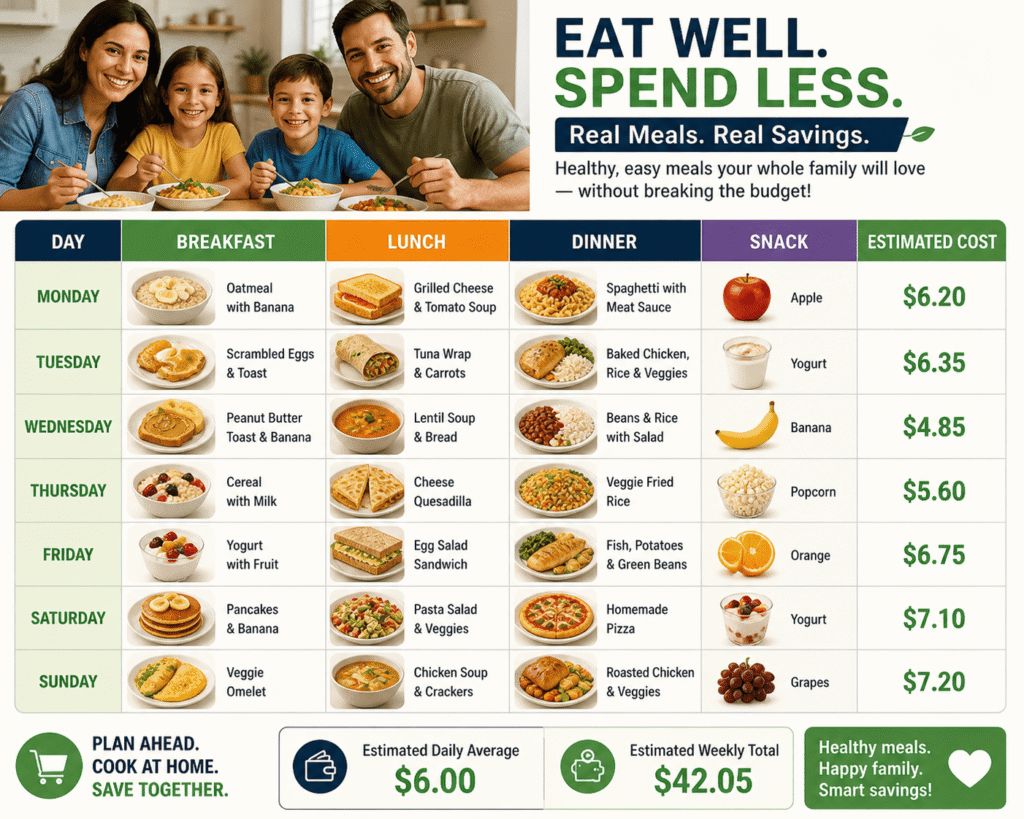
You can combine it with 30-day frugal living challenge for better results.
Cheap Pantry Staples That Make Budget Meals Easy and Affordable
A 30-day budget meal challenge works best when meals are built around low-cost pantry staples. These foods last longer, cost less per serving, and can be used in many simple recipes throughout the month.
Essential Budget Pantry Foods
- rice
- pasta
- oats
- dried beans
- lentils
- canned tomatoes
- potatoes
- eggs
- frozen vegetables
- peanut butter
These ingredients help create filling meals without increasing your grocery bill.
How to Start a 30-Day Budget Meal Challenge Step by Step (Beginner Guide)
Starting a 30-day budget meal challenge is easier when families follow a clear plan. The goal is to control grocery spending while still preparing simple meals at home. By setting a budget, planning meals, and shopping carefully, households can complete the challenge without feeling overwhelmed.
Step-by-Step Plan to Start the Challenge
- Set a realistic monthly grocery budget
Look at your recent grocery spending and choose a lower but realistic amount for the challenge. - Check your pantry and freezer first
Many families already have ingredients they can use for several meals. - Plan meals one week at a time
Weekly meal planning keeps things flexible while still controlling spending. - Create a simple grocery list
Only buy ingredients needed for your planned meals. - Focus on affordable staple foods
Build meals around rice, pasta, beans, eggs, potatoes, and seasonal vegetables. - Cook meals at home most days
Avoid takeout so the grocery budget stays on track. - Use leftovers for lunches or another dinner
Stretch meals by cooking larger portions when possible. - Track grocery spending each week
Write down how much you spend so you stay within the monthly budget.
Following these steps makes the 30-day budget meal challenge practical for busy families trying to reduce grocery bills.
Weekly Structure for the 30-Day Budget Meal Challenge (Week-by-Week Plan)
A 30-day budget meal challenge becomes easier when broken into weekly goals. Each week focuses on a simple strategy to control spending and reduce waste while still keeping meals practical for families.
Week-by-Week Breakdown
Week 1: Use What You Already Have
- Check pantry and freezer
- Build meals from existing ingredients
- Buy only missing items
Week 2: Focus on Cheap Meals
- Use rice, beans, pasta, and eggs
- Cook simple, low-cost meals
- Avoid expensive recipes
Week 3: Batch Cooking Week
- Cook large meals like chili or soup
- Freeze extra portions
- Reduce daily cooking time
Week 4: Stretch and Finish Strong
- Use leftovers creatively
- Avoid extra grocery trips
- Combine ingredients into simple meals
This structure helps families stay consistent through the full challenge.
Sample Weekly Grocery Budget for the 30-Day Budget Meal Challenge
A 30-day budget meal challenge becomes easier when you set a clear weekly grocery limit. Keeping spending consistent each week helps prevent going over budget by the end of the month.
Example Weekly Grocery List
| Item | Estimated Cost |
|---|---|
| Rice | $3 |
| Beans or lentils | $3 |
| Pasta | $2 |
| Eggs | $4 |
| Chicken | $8 |
| Frozen vegetables | $5 |
| Potatoes | $4 |
| Bread | $3 |
| Fruit | $6 |
Estimated weekly total: $35–$45
Prices vary, but this shows how simple foods can keep grocery costs low.
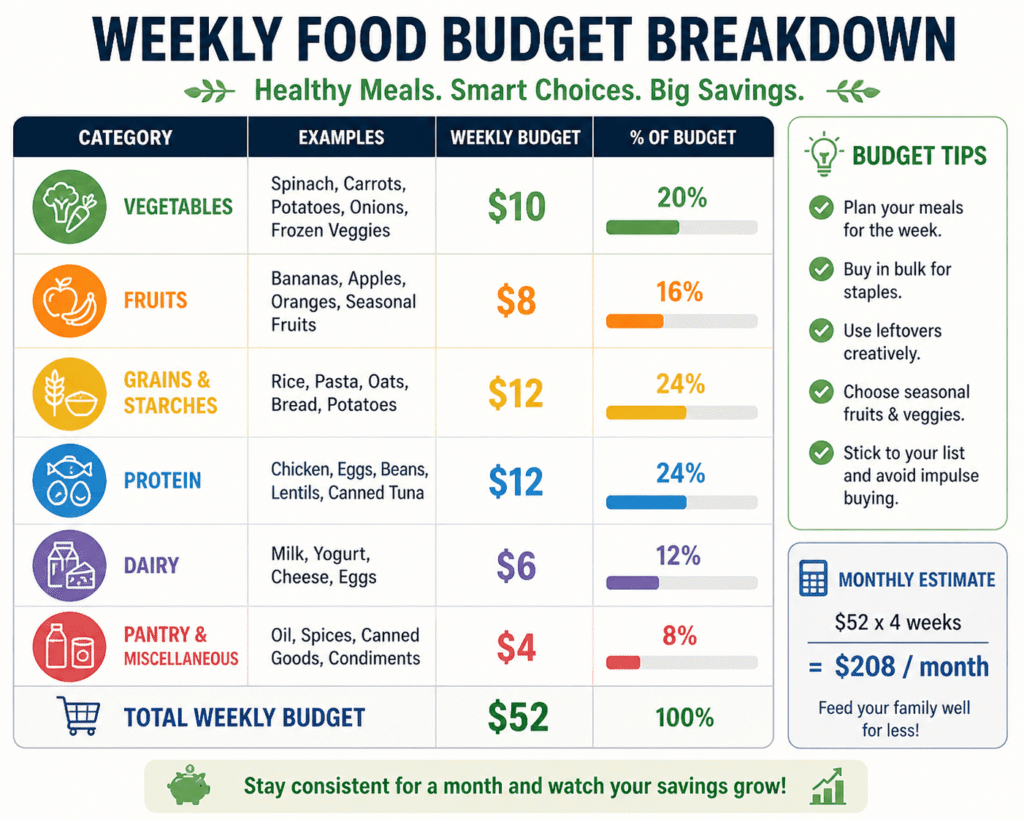
To reduce costs, apply how to save money on groceries
Money-Saving Tips to Make Your 30-Day Budget Meal Challenge Work
A 30-day budget meal challenge works best when families focus on small habits that reduce grocery spending. Simple changes like planning meals, buying affordable staples, and using leftovers can lower food costs quickly. These tips help families stay within their grocery budget while still preparing filling meals.
Practical Tips to Lower Your Food Budget
- Shop with a list every time
A grocery list prevents impulse purchases that increase spending. - Buy store brands instead of name brands
Store brands are usually cheaper and often similar in quality. - Choose seasonal fruits and vegetables
Produce that is in season usually costs less. - Use frozen vegetables when possible
Frozen options last longer and are often more affordable. - Cook larger meals for leftovers
Batch cooking helps stretch ingredients across multiple meals. - Compare price per unit
Looking at price per ounce or kilogram helps you find the best value. - Limit extra grocery trips
Shopping once per week reduces impulse buying. - Use simple recipes with fewer ingredients
Budget meals work best when they rely on affordable pantry staples.
Following these habits throughout the 30-day budget meal challenge makes it easier for families to control grocery spending and stay consistent for the full month.
Common Mistakes That Ruin a 30-Day Budget Meal Challenge (Avoid These)
A 30-day budget meal challenge can fail when families overcomplicate meals or ignore simple planning habits. Avoiding these mistakes makes it much easier to stay within your grocery budget.
Mistakes to Avoid
- Not planning meals ahead
Leads to last-minute expensive food choices. - Buying too many ingredients
Extra items increase your grocery bill quickly. - Cooking complicated recipes
More ingredients usually mean higher costs. - Ignoring leftovers
Wasted food is wasted money. - Shopping too often
Extra trips lead to impulse purchases.
Why the 30-Day Budget Meal Challenge Actually Works for Families
A 30-day budget meal challenge works because it builds simple habits that reduce grocery spending over time. Planning meals, cooking at home, and tracking food costs help families make better decisions at the store. After a month, many households notice lower grocery bills, less food waste, and a clear system for managing meals.
Key Reasons This Strategy Works
- Meal planning reduces impulse buying
When families know what meals they will cook, they avoid unnecessary purchases. - Home cooking is cheaper than takeout
Preparing meals at home often costs far less than ordering food. - Budget-friendly ingredients stretch meals
Foods like rice, beans, pasta, and potatoes provide filling meals for low cost. - Leftovers reduce food waste
Cooking larger portions allows meals to be used again for lunch or another dinner. - Consistent habits create long-term savings
After completing the challenge, many families continue using the same planning system.
Because the 30-day budget meal challenge focuses on practical habits instead of complicated recipes, it becomes a sustainable way for families to control food spending.
What is a 30-day budget meal challenge?
A 30-day budget meal challenge is a one-month plan where families prepare meals at home while sticking to a set grocery budget. The goal is to reduce food spending, plan meals ahead, and avoid unnecessary grocery purchases.
How much money can families save during the challenge?
Savings depend on current habits, but many families reduce grocery spending by 20–40 percent. Planning meals, buying affordable ingredients, and cooking at home are the main reasons costs drop during the challenge.
What meals work best for a budget meal challenge?
Meals that use inexpensive ingredients usually work best. Examples include rice bowls, lentil soup, pasta dishes, egg meals, vegetable stir-fries, and simple casseroles made with pantry staples.
Do I need a strict meal plan for all 30 days?
Not necessarily. Many families plan one week at a time instead of planning the entire month. This keeps the challenge flexible and allows adjustments based on sales or ingredients already at home.
Can large families do a 30-day budget meal challenge?
Yes. In fact, larger families often benefit the most. Cooking bigger portions, buying staple foods in bulk, and using leftovers can stretch meals further and reduce grocery costs.
What if we get tired of the same meals?
Rotating simple meals helps prevent boredom. Changing spices, sauces, or side dishes can turn the same ingredients into different meals without increasing the grocery budget.
Is the challenge only about saving money?
Saving money is the main goal, but families often notice other benefits. Cooking at home more often can lead to healthier meals, less food waste, and better meal planning habits.
A 30-day budget meal challenge is a simple way for families to control grocery spending and build better meal planning habits. By planning meals, using affordable ingredients, and cooking more often at home, households can reduce food costs without sacrificing filling meals.
Start small. Set a grocery budget, plan your first week of meals, and begin the challenge today. After 30 days, you may discover a meal planning system that keeps saving money long after the challenge ends.









3 thoughts on “30-Day Budget Meal Challenge Ideas That Cut Grocery Bills Fast”
Someone essentially help to make seriously articles I would state. This is the first time I frequented your web page and thus far? I amazed with the research you made to create this particular publish amazing. Fantastic job!
I’m so happy to read this. This is the kind of manual that needs to be given and not the accidental misinformation that is at the other blogs. Appreciate your sharing this best doc.
Thanks for this marvellous post, I am glad I found this web site on yahoo.