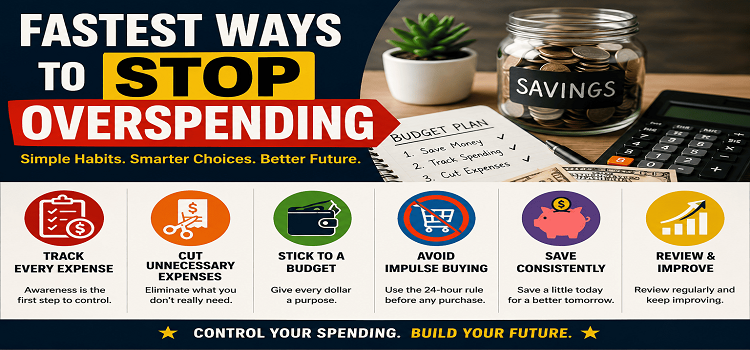
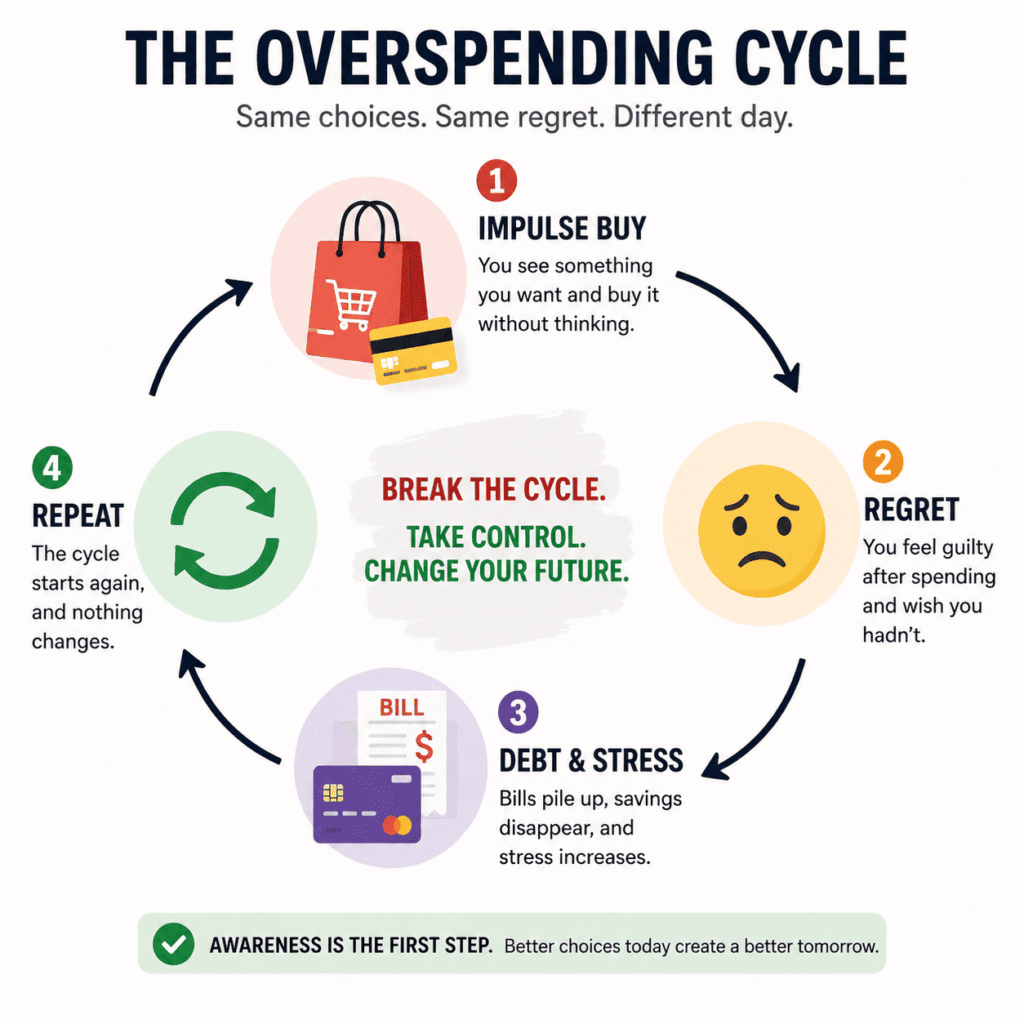
Fastest ways to stop overspending start with simple actions you can take right now. Many families struggle because money slips away through small, daily habits like impulse buys, subscriptions, and unplanned spending. Over time, this leads to stress, debt, and no real savings.
The problem is getting worse with easy online shopping and one-click payments. But you can fix it faster than you think. In this guide, you’ll learn practical ways to stop overspending, take control of your budget, and build habits that actually stick.
What Are the Fastest Ways to Stop Overspending? (Quick Definition)
Fastest ways to stop overspending are simple actions that reduce unnecessary spending immediately while helping you build better money habits over time. These include tracking your expenses, cutting non-essential costs, setting clear spending limits, and using basic budgeting systems. The goal is to control your money quickly, avoid waste, and create long-term financial stability.
Why You Keep Overspending (And How to Fix It Fast)
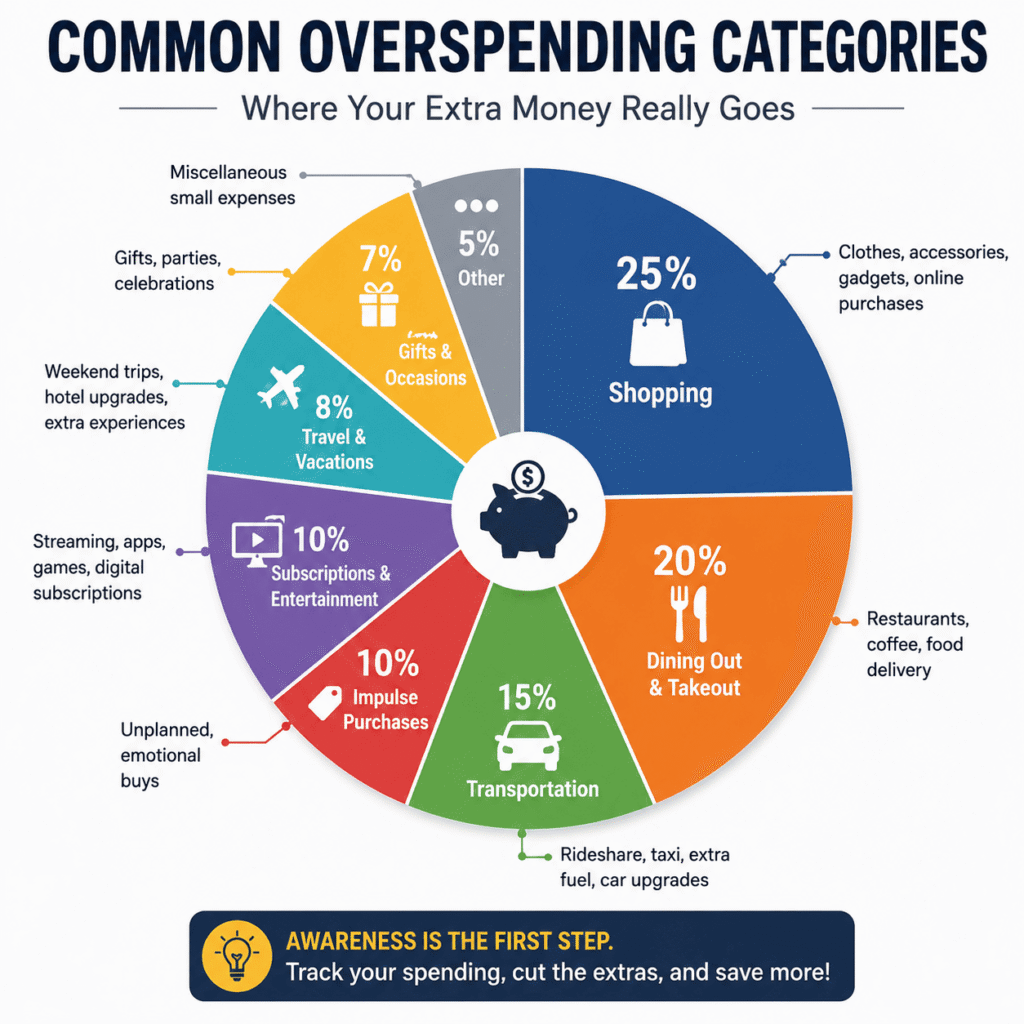
Overspending happens when habits, emotions, and easy access to money combine without clear limits. Many people spend without noticing patterns, especially with digital payments and subscriptions. To fix it fast, you need to spot triggers, remove easy spending options, and create simple rules that slow down your decisions.
Common Reasons People Overspend
- Emotional spending (stress, boredom, frustration)
- One-click buying and saved card details
- Too many subscriptions and hidden charges
- No clear spending limits or budget
- Social media ads and peer pressure
Quick Fixes That Work Immediately
- Remove saved cards from shopping apps
- Turn off shopping and promo notifications
- Cancel at least 1–2 unused subscriptions today
- Switch to cash for daily spending categories
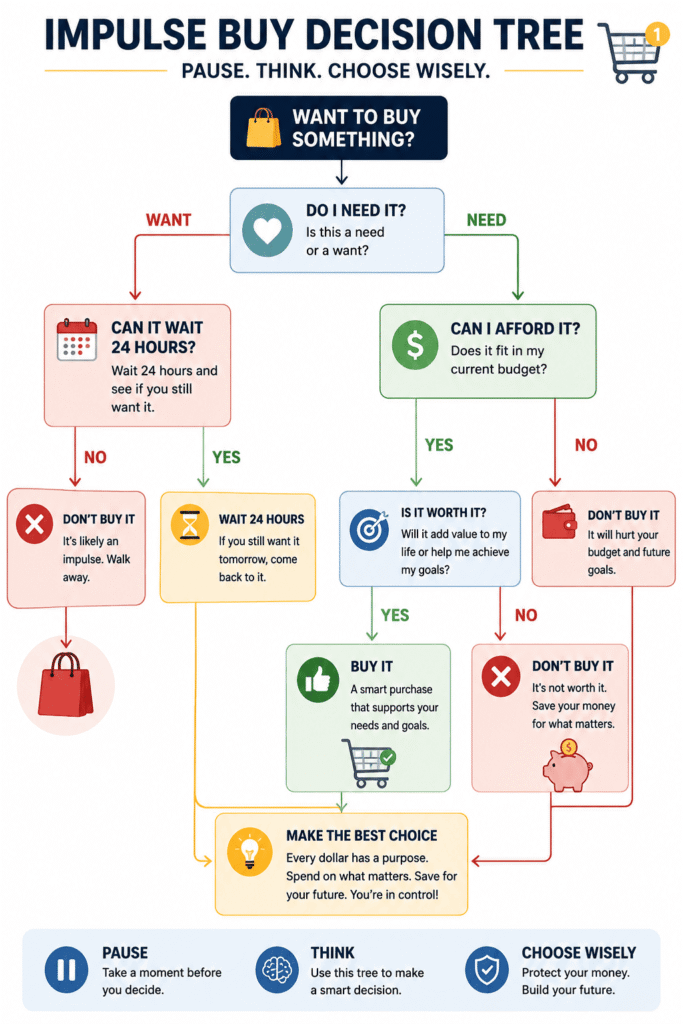
- Use a 24-hour rule before buying anything non-essential
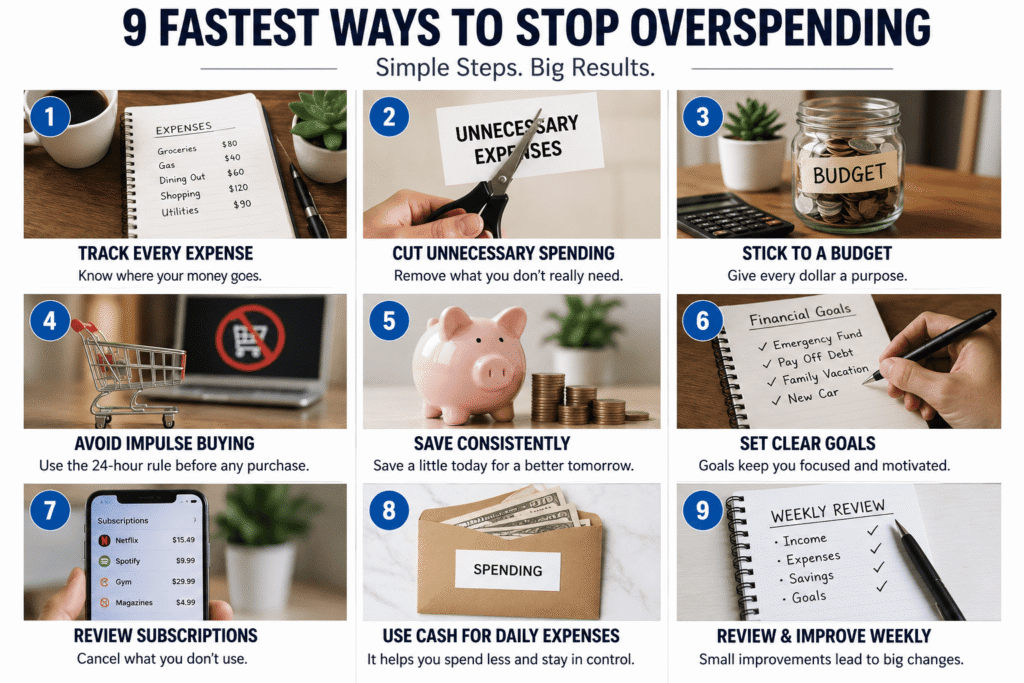
9 Fastest Ways to Stop Overspending Right Now
The fastest ways to stop overspending focus on actions you can take today to cut waste and control money quickly. These methods work because they limit access, increase awareness, and force better decisions. Most families see results within days when they apply these consistently.
Best Ideas That Work Fast
- Track every dollar you spend for the next 7 days
- Set a strict weekly spending limit
- Use the 50/30/20 rule to organize your money
- Switch to cash for problem spending areas
- Cancel unused subscriptions immediately
- Plan meals to reduce eating out costs
- Avoid apps or stores that trigger impulse buying
- Treat savings like a fixed monthly bill
- Review your spending every weekend
Fastest Ways to Stop Overspending in 24 Hours
The fastest ways to stop overspending in 24 hours focus on cutting access to money and removing triggers immediately. These actions work the same day because they reduce impulse decisions and force awareness. Most people see instant improvement when they apply these steps.
Steps You Can Take Today
- Remove all saved cards from shopping apps and websites
- Turn off shopping ads, emails, and push notifications
- Cancel at least one unused subscription right now
- Set a strict daily spending limit
- Use only cash for non-essential spending today
- Avoid online shopping for the next 24 hours
Budgeting Methods That Stop Overspending Quickly
Budgeting is one of the fastest ways to stop overspending because it gives every dollar a clear role. When you know where your money should go, it becomes harder to waste it. Simple systems work best because they are easy to follow and stick to over time.
Best Budget Systems to Use
- 50/30/20 budget
Split your income into needs (50%), wants (30%), and savings (20%). Easy and flexible for most families. - Zero-based budget
Assign every dollar a job so nothing is left unplanned. Great for tight control. - Envelope system (cash or digital)
Set limits for categories like groceries or shopping. When the money is gone, spending stops. - Weekly family budget plan
Review income and expenses every week. Helps catch overspending early and adjust fast.
Why Most Budgets Fail (And How to Fix It)
Most budgets fail because they are too strict, too complex, or not reviewed regularly. When a system feels hard to follow, people give up quickly. The key is to keep it simple, flexible, and easy to maintain so it works long term.
How to Fix Your Budget
- Keep your budget simple and realistic
- Focus on major expenses first
- Review your budget weekly
- Adjust instead of quitting
- Combine budgeting with daily habits
Best Tools and Apps to Control Spending
Money tools and apps help stop overspending by tracking expenses, showing patterns, and sending alerts before you go over budget. They reduce guesswork and make it easier to stay in control without checking your finances all day. Using one simple tool can quickly improve your spending habits.
Useful Tools to Try
- Expense tracking apps to see where your money goes
- Subscription trackers to find and cancel unused services
- Budget planners to set clear spending limits
- Spending alerts that warn you before you overspend
- Savings automation tools that move money automatically
How to Start Stopping Overspending (Step-by-Step Plan)
Starting to stop overspending is easier when you follow a simple plan. Breaking it into small steps helps you take action quickly without feeling overwhelmed. This approach gives fast results and builds habits that last, so you don’t fall back into old spending patterns.
Step-by-Step Plan
- Track all your spending for the next 7 days
- Find your top 3 biggest spending leaks
- Cut or reduce those expenses immediately
- Set a simple budget you can follow
- Add one rule (like a 24-hour delay for purchases)
- Review your spending at the end of each week and adjust
7-Day Spending Reset Plan (Fix Your Money Fast)
A 7-day spending reset plan helps you quickly regain control of your money by focusing on small daily actions. This method works because it builds awareness first, then adds control and habits step by step. By the end of the week, your spending behavior starts to change.
Day-by-Day Plan
- Day 1: Track every expense
- Day 2: Identify your top spending leaks
- Day 3: Cut or reduce those expenses
- Day 4: Set a simple budget
- Day 5: Add a spending rule (24-hour delay)
- Day 6: Review progress and adjust
- Day 7: Plan next week with better limits
Biggest Mistakes That Keep You Overspending
Many people try to stop overspending but fail because of common mistakes. These habits make it harder to control money and keep you stuck in the same cycle. Avoiding these mistakes can speed up your progress and improve results quickly.
Mistakes to Avoid
- Not tracking spending at all
- Setting unrealistic budgets
- Ignoring small daily expenses
- Relying only on willpower
- Keeping easy access to money (saved cards, apps)
Simple Money Habits That Prevent Overspending
Simple money habits are daily and weekly actions that help you stay in control of your spending without thinking too much. These habits reduce impulse decisions, build discipline, and make it easier to follow your budget over time. Consistency matters more than perfection.
Habits That Work
- Check your spending daily for a few minutes
- Review your budget once a week
- Keep a simple spending journal
- Set no-spend days during the week
- Track progress toward your savings goals
Smart Money-Saving Tips for Families
Smart money-saving tips help families reduce daily expenses and stay within budget without feeling restricted. These simple changes focus on planning, awareness, and control. When used consistently, they can quickly lower spending and free up money for savings and important goals.
Practical Tips
- Plan meals weekly to avoid eating out
- Buy in bulk for items you use often
- Set clear family spending limits
- Use cash for flexible categories like shopping
- Avoid going to stores without a list
- Compare prices before making purchases
- Cut down on small daily expenses that add up
Benefits of Stopping Overspending (Why It Matters)
Stopping overspending helps you take control of your money and avoid constant financial stress. When you spend with a plan, you can save more, pay off debt faster, and feel more secure. Over time, this leads to stronger habits and better financial stability for your family.
Key Benefits
- Less stress about bills and money
- More savings for emergencies and goals
- Faster debt repayment
- Better control over your budget
- Improved financial stability for your family
What is the fastest way to stop overspending right now?
The fastest way to stop overspending is to track every expense, cut non-essential spending immediately, and set a strict weekly limit. Removing saved payment methods and using cash for daily purchases also reduces impulse buying and gives you instant control over your money.
How do I stop overspending with low income?
To stop overspending with low income, focus on essentials first, cut unnecessary expenses, and use a simple budget like zero-based budgeting. Track every dollar and prioritize needs over wants. Small changes like meal planning and avoiding impulse buys can quickly free up extra money.
Why is it so hard to stop overspending?
It’s hard to stop overspending because of emotional triggers, easy digital payments, and lack of clear limits. Many people spend without awareness. Creating spending rules, removing triggers, and tracking expenses daily can break this cycle and improve financial control.
How can I control impulse spending effectively?
To control impulse spending, use a 24-hour rule before buying, avoid shopping apps, and set clear spending limits. Tracking your expenses daily and identifying triggers like stress or boredom helps reduce unnecessary purchases and builds better financial habits over time.
What are the best tools to stop overspending?
The best tools to stop overspending include expense tracking apps, subscription trackers, and budgeting tools that send spending alerts. These tools help monitor your finances in real time, identify waste, and keep you within limits without requiring constant manual tracking.
Can budgeting really help stop overspending fast?
Yes, budgeting can stop overspending fast when it is simple and consistent. Methods like the 50/30/20 rule or zero-based budgeting give every dollar a purpose, reduce waste, and help you stay within limits while building long-term financial stability.
Fastest ways to stop overspending come down to simple actions you take today. When you track your money, cut small leaks, and follow a clear system, you regain control fast. Families that build these habits reduce stress, save more, and avoid debt over time.
Start small. Pick one habit, one rule, and one quick win from this guide. Take action today. The sooner you start, the faster you see results.