Food prices keep rising, making grocery shopping harder for many families.
Without a plan, it’s easy to overspend or buy food that goes to waste.
With smart grocery strategies and simple meal planning, you can reduce your food costs and stretch your budget further.
Here you’ll learn practical ways to grocery shop on a tight budget.
What Does Grocery Shopping on a Tight Budget Mean?
Grocery shopping on a tight budget means planning and buying food carefully so you spend less while still meeting your family’s needs. It focuses on setting a grocery budget, choosing affordable foods, avoiding impulse purchases, and using smart shopping habits that stretch every dollar without sacrificing nutrition.
Key Principles of Grocery Shopping on a Tight Budget
- Plan before you shop
Decide meals for the week so you only buy what you need. - Set a clear grocery budget
Knowing your weekly limit prevents overspending. - Focus on affordable staple foods
Items like rice, beans, pasta, eggs, and potatoes stretch meals. - Avoid impulse purchases
Shopping with a list helps you stay focused. - Use deals and store brands
Store brands and weekly sales often cost much less than name brands.
Why This Approach Works for Families
- It reduces food waste.
- It helps control weekly spending.
- It makes meal planning easier.
- It allows families to eat well without overspending.
When families consistently grocery shop on a tight budget using these simple principles, they often save hundreds of dollars every month on food expenses.
How to Grocery Shop on a Tight Budget
Grocery shopping on a tight budget becomes easier when you follow simple strategies that reduce spending and avoid waste. By planning meals, choosing affordable foods, and using smart shopping habits, families can stretch their grocery dollars and still enjoy balanced meals every week.
Best Ways to Grocery Shop on a Tight Budget
- Set a Weekly Grocery Budget
Decide how much you can spend each week before you go shopping. Having a clear limit helps control spending and prevents unnecessary purchases. - Plan Meals Before Shopping
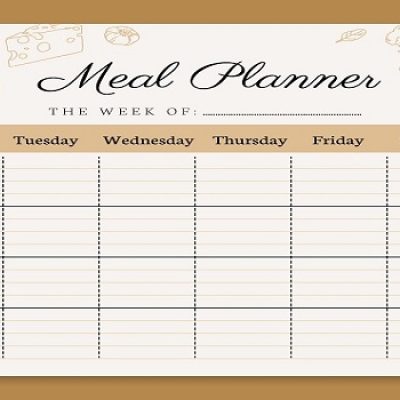
Meal planning keeps grocery trips focused. When you know exactly what meals you will cook, it becomes easier to buy only the ingredients you need. - Always Shop With a Grocery List
A grocery list helps prevent impulse buying. Stick to your list and avoid adding items that were not part of your plan. - Compare Unit Prices
Check the price per ounce or pound on the shelf label. This helps you find the best value even when package sizes are different. - Choose Store Brands Over Name Brands
Store brands usually cost less and often have the same quality as popular brands. - Buy Seasonal Produce
Fruits and vegetables are cheaper when they are in season. Seasonal produce is also fresher and often tastes better. - Use Frozen Fruits and Vegetables
Frozen produce is affordable, lasts longer, and works well for soups, smoothies, and stir-fries. - Cook More Meals at Home
Preparing meals at home costs much less than eating out or buying prepared foods. - Buy Affordable Staple Foods
Low-cost staples stretch meals and help reduce grocery bills. Examples include:- rice
- pasta
- oats
- beans
- potatoes
- eggs
- Plan Meals That Use Leftovers
Leftovers can easily turn into new meals. For example, roasted chicken can become soup or sandwiches the next day. - Avoid Shopping When Hungry
Shopping while hungry often leads to impulse purchases and unnecessary snacks. - Use Grocery Store Loyalty Programs
Many stores offer digital coupons, rewards, and special discounts for members. - Check Weekly Store Flyers
Grocery stores advertise weekly sales. Planning meals around these deals can lower your food costs. - Buy Meat in Bulk and Freeze It
Larger packages of meat often cost less per pound. Divide and freeze portions for later meals. - Reduce Food Waste at Home
Organize your fridge and pantry so older food gets used first. - Add Meatless Meals to Your Week
Beans, lentils, and eggs are affordable protein options that help reduce grocery costs. - Shop at Discount Grocery Stores
Discount stores often offer lower prices on many everyday items. - Shop the Store Perimeter First
Fresh foods like produce, dairy, and meats are usually around the outer edges of the store. - Track Your Grocery Spending
Keeping track of grocery costs helps you identify where your money goes each week. - Use Grocery Saving Apps
Apps can help you find coupons, track deals, and organize your shopping list. - Start With a Simple Weekly Meal Plan
A basic meal plan helps ensure every grocery item has a purpose and reduces wasted food.
How to Start Grocery Shopping on a Tight Budget
Starting grocery shopping on a tight budget requires a simple plan that helps you control spending and avoid waste. By setting a grocery budget, planning meals, and creating a focused shopping list, families can reduce food costs while still preparing balanced meals each week.
Step-by-Step Guide to Grocery Shopping on a Tight Budget
- Set Your Weekly Grocery Budget
Decide how much money you can spend on groceries each week. Many families start with a fixed weekly amount to avoid overspending. - Check Your Pantry and Refrigerator First
Look at the food you already have before making a shopping list. This prevents buying duplicate items and helps you use what you already own. - Plan Simple Meals for the Week
Choose affordable meals that use similar ingredients. This keeps your grocery list shorter and reduces food waste. - Create a Focused Grocery List
Write down only the ingredients needed for your planned meals. Organize the list by store sections such as produce, dairy, and pantry items. - Look at Weekly Store Sales
Check store flyers or digital deals before shopping. Adjust your meal plan if certain foods are discounted. - Shop With a Calculator or Budget Tracker
Track your spending as you shop to stay within your grocery budget. - Stick to Your List at the Store
Avoid adding items that are not part of your plan unless they replace something cheaper. - Store Food Properly at Home
Proper storage helps food last longer and reduces waste, which saves money over time.
Simple Tips for Beginners
- Start with easy meals that use affordable staples.
- Buy only what your family will actually eat.
- Freeze extra food when possible.
- Keep your grocery list simple and focused.
Following this step-by-step approach makes grocery shopping on a tight budget easier and helps families consistently lower their food spending.
Money-Saving Tips for Grocery Shopping on a Tight Budget
Grocery shopping on a tight budget becomes much easier when families use small habits that consistently reduce food costs. Simple changes like buying store brands, choosing cheaper proteins, and planning meals around sales can quickly lower your weekly grocery bill without sacrificing healthy meals.
Practical Tips That Lower Your Grocery Bill
- Choose store brands whenever possible
Store brands usually cost less than name brands but offer similar quality. - Buy larger packs of staple foods
Items like rice, oats, beans, and pasta are often cheaper in larger packages. - Use frozen vegetables and fruits
Frozen produce is affordable, lasts longer, and helps prevent food waste. - Cook meals from scratch
Prepared foods and ready-made meals are usually much more expensive. - Limit expensive snack foods
Chips, packaged snacks, and sugary drinks can quickly increase your grocery bill. - Use simple ingredients across multiple meals
For example, a bag of potatoes can be used for breakfast hash, baked potatoes, or soup. - Freeze extra portions of meals
Cooking larger batches saves time and prevents leftover food from going to waste. - Focus on affordable protein options
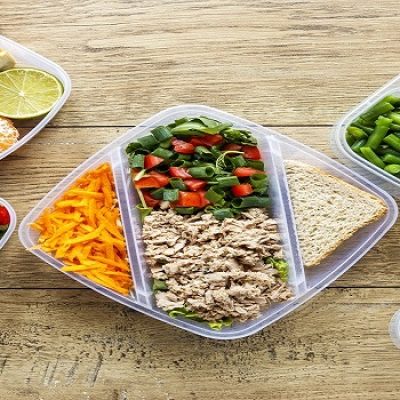
Eggs, beans, lentils, and canned tuna are often cheaper than fresh meat.
Small Habits That Save Money Over Time
- Shop once per week to reduce extra trips.
- Keep a running grocery list at home.
- Rotate pantry items so older food gets used first.
- Avoid convenience foods that cost more per serving.
These simple money-saving tips help families grocery shop on a tight budget while still preparing filling and nutritious meals.
Why Grocery Shopping on a Tight Budget Benefits Families
Grocery shopping on a tight budget helps families control spending, reduce food waste, and build healthier eating habits. When families plan meals, track grocery costs, and focus on affordable ingredients, they often save hundreds of dollars each month while still providing nutritious meals for everyone.
Key Benefits of Grocery Shopping on a Tight Budget
- Lower Monthly Food Expenses
Planning meals and shopping with a budget helps families reduce unnecessary spending and keep grocery costs under control. - Less Food Waste
Buying only what you need and using leftovers effectively prevents food from being thrown away. - Better Meal Planning
Budget grocery shopping encourages families to plan meals ahead of time, which makes daily cooking easier. - Healthier Eating Habits
Cooking meals at home using simple ingredients often leads to healthier meals compared to processed convenience foods. - More Financial Stability
When grocery spending stays within a planned budget, families can use the extra money for savings or other important expenses. - Less Stress Around Grocery Shopping
Having a plan, a list, and a clear spending limit makes grocery trips faster and more organized.
Why These Habits Matter Long Term
- Families develop stronger budgeting skills.
- Children learn healthy food habits.
- Grocery spending becomes predictable and manageable.
Over time, grocery shopping on a tight budget becomes a routine that helps families save money while still enjoying balanced meals.
Conclusion
Grocery shopping on a tight budget doesn’t mean sacrificing good meals or quality food. With a little planning, smart shopping habits, and a focus on affordable staples, families can significantly reduce their weekly grocery bills. Simple steps like meal planning, using a grocery list, buying store brands, and avoiding impulse purchases can add up to big savings over time.
Start small by choosing a few strategies from this guide and trying them during your next grocery trip. As these habits become routine, grocery shopping on a tight budget will feel easier, and you’ll likely notice your monthly food expenses dropping. The key is consistency—smart choices every week lead to lasting savings for your family.
What is a reasonable weekly grocery budget for a family?
A typical grocery budget depends on family size and location, but many families aim to spend between $100 and $200 per week. Planning meals, buying affordable staples, and choosing store brands can help keep grocery spending within this range.
What are the cheapest foods to buy on a tight grocery budget?
Affordable staple foods help stretch meals and lower grocery costs. Some of the cheapest foods include:
- rice
- pasta
- oats
- beans
- potatoes
- eggs
- frozen vegetables
- bananas
These foods are filling, versatile, and easy to include in many budget-friendly meals.
Is buying groceries in bulk always cheaper?
Buying in bulk can save money, but only when you purchase foods your family will actually use. Non-perishable items like rice, pasta, canned goods, and frozen foods are good choices for bulk buying.
How can I reduce my grocery bill quickly?
You can reduce grocery spending by:
Cooking more meals at home.
Planning meals before shopping.
Using a grocery list and sticking to it.
Choosing store brands instead of name brands.
Buying seasonal produce.
What is the best day of the week to grocery shop?
Many stores release new sales and discounts midweek. Shopping on these days can help you find fresh deals and restocked shelves.
How do I avoid impulse buying at the grocery store?
The best way to avoid impulse purchases is to shop with a list, eat before shopping, and focus only on the items needed for your planned meals.
Grocery shop on a tight budget with 21 smart strategies that help families cut food costs, reduce waste, and save hundreds every month. Perfect for budget-conscious households.