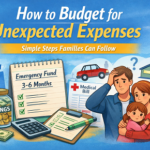
How to start living frugally when you overspend begins with understanding your spending habits and making small changes you can maintain. If money disappears before payday, you are not alone. Everyday purchases, takeout, online shopping, and unexpected family expenses can quickly stretch a budget. The solution is not to stop enjoying life or cut every expense. It is to spend with purpose, reduce waste, and build better money habits. These nine practical steps will help you control impulse spending, lower everyday expenses, and start saving money without making family life feel restrictive.
Why Do You Keep Overspending?
Overspending often happens when purchases become automatic, emotional, or disconnected from a spending plan. Small expenses can add up before you notice them, while credit cards and shopping apps make buying easier. Identifying your spending triggers helps you choose the right changes instead of relying on willpower alone.
Common reasons include:
- Impulse buying: Purchasing things because they look appealing or are on sale.
- Convenience spending: Ordering takeout or buying expensive last-minute items.
- Emotional spending: Shopping when stressed, bored, or frustrated.
- No spending limits: Buying without knowing how much money remains.
- Lifestyle inflation: Increasing spending whenever your income increases.
Start by tracking every purchase for seven days. You may discover that a few repeated expenses are responsible for much of your overspending.
How to Start Living Frugally When You Overspend
The easiest way to start living frugally is to identify unnecessary expenses, establish realistic spending limits, and change one habit at a time. You do not need a complicated budget or a high income to begin. Focus on simple actions that protect essential bills, reduce impulse purchases, and leave more money available for savings.
9 Steps to Build Better Spending Habits
- Track your spending. Record every purchase, including small snacks, delivery fees, and online orders. Use a notebook, spreadsheet, or budgeting app.
- Find your biggest money leaks. Review your spending and identify expenses you can reduce without affecting essential family needs.
- Set weekly spending limits. Choose realistic amounts for groceries, dining out, entertainment, and personal purchases.
- Use the 24-hour rule. Wait a full day before buying nonessential items. For expensive purchases, consider waiting several days.
- Plan meals before shopping. Check your pantry and freezer, create a weekly meal plan, and shop with a list to reduce food waste and takeout.
- Remove spending triggers. Unsubscribe from promotional emails, disable shopping notifications, and remove saved payment details from retail apps.
- Save money on payday. Transfer a manageable amount into savings before spending on nonessential items. Start small if money is tight.
- Plan affordable family activities. Choose library visits, park outings, home movie nights, and other low-cost activities instead of spending money whenever the family wants entertainment.
- Review your progress weekly. Check what worked, where you overspent, and which limits need adjusting. Consistent reviews help you catch problems before they grow.
How Can You Stay Frugal After Overspending Again?
One overspending mistake does not erase your progress. The best response is to stop unnecessary purchases, assess the damage, and return to your budget as soon as possible. Avoid abandoning your plan because one week went badly. Use the setback to identify what triggered the spending and prevent the same problem next time.
Try these recovery steps:
- Calculate how much you overspent.
- Return unwanted purchases if eligible.
- Reduce optional spending for the remainder of the month.
- Protect essential bills, groceries, and necessary expenses.
- Change the habit or situation that triggered the purchase.
For example, if stress leads to online shopping, find a free activity that helps you unwind. If grocery trips regularly exceed your budget, shop with a list and a clear spending limit.
Remember: Frugal living is about making better decisions more often, not being perfect every day.
What Are the Biggest Benefits of Frugal Living?
Frugal living helps families gain control over their money by reducing waste and directing more income toward meaningful priorities. Consistent changes can make it easier to handle unexpected expenses, pay down debt, and build an emergency fund. The goal is not simply to spend less but to create more financial breathing room.
Useful habits include:
- Cooking at home more often.
- Reviewing recurring bills and unused subscriptions.
- Comparing prices before larger purchases.
- Planning for birthdays, holidays, and car repairs.
- Setting aside money for savings and debt repayment.
Even small savings matter when you repeat them consistently. Choose changes that fit your family’s income and daily needs.
How do I stop overspending with a low income?
Track your expenses, prioritize essential bills, and reduce costs that provide little value. If most of your income already goes toward necessities, consider assistance programs or ways to increase income rather than cutting essentials further.
What should I stop buying first?
Start with frequent, nonessential purchases such as takeout, impulse buys, unused subscriptions, and convenience-store items. Choose expenses that are easy to reduce and review the results after a few weeks.
How long does it take to become frugal?
You can start changing your spending habits immediately, but building consistent routines takes time. Focus on weekly progress instead of expecting a complete financial turnaround overnight.
Final Thoughts
Learning how to start living frugally when you overspend takes patience, realistic goals, and consistent action. Track your expenses, set spending limits, reduce unnecessary purchases, and make saving part of your routine.
Start today: Choose one spending habit you want to change this week. Small steps, repeated consistently, can help your family spend more wisely and build a stronger financial future.