Best way to save money is not about cutting everything or living cheap. It’s about using a simple system that actually works in real life. Most families struggle because bills keep rising, income feels tight, and generic advice doesn’t help when you’re living paycheck to paycheck.
That’s the problem. Saving money feels hard when nothing seems left at the end of the month.
This guide fixes that. You’ll learn practical, proven ways to save money fast, build consistent habits, and take control of your finances—even if your income is low or unstable.
What Is the Best Way to Save Money?
The best way to save money is to follow a simple system that tracks spending, reduces unnecessary costs, and saves automatically. It focuses on consistency over perfection and works even if your income is low or unstable..
Key Components of Saving Money
- Income awareness: Know exactly how much money comes in each month
- Expense control: Track and reduce unnecessary spending
- Automation: Save money automatically before you can spend it
- Behavior change: Build habits that support long-term saving
Why Most People Fail to Save Money (And How to Fix It)
Most people fail to save money because they rely on willpower instead of a system. Expenses keep rising, income feels limited, and without tracking, money disappears fast. The problem isn’t discipline—it’s lack of structure. When you use a simple system, saving becomes automatic and consistent.
Common Mistakes
- Not having a clear budget
- Trying to save what’s left instead of saving first
- Ignoring small daily expenses
- Having no specific savings goal
- Relying on memory instead of tracking spending
Quick Fix Framework
- Track: Write down every expense for at least one week
- Cut: Identify and reduce the biggest unnecessary costs first
- Automate: Set up automatic transfers to savings
- Grow: Increase savings gradually as income or discipline improves
You don’t need a high income to start.
Best Way to Save Money for Families (Real-Life System)
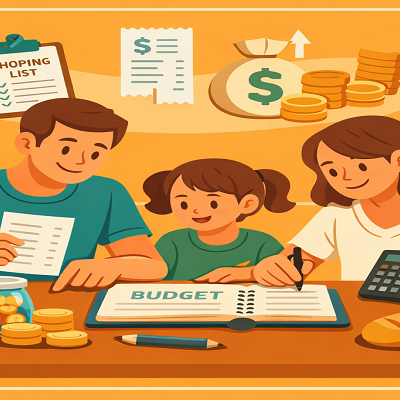
The best way to save money for families is to use a simple system that combines budgeting, cutting key expenses, and automatic saving. This approach works in real life because it focuses on the biggest spending areas first and builds habits that last, even if your income is low or unstable.
Step-by-Step Family Saving System
- Track every expense for the next 7 days
- Find your top 3 spending leaks (food, bills, impulse buys)
- Cut or reduce those costs first
- Set a small but fixed savings amount
- Automate savings right after income comes in
- Review spending once a week and adjust
This works for families living paycheck to paycheck.
Real-Life Examples
- A family cuts takeout from 4 times a week to 1 → saves a large monthly amount
- Switching to planned grocery shopping reduces waste and overspending
- Canceling 2–3 unused subscriptions creates instant savings
This system works because it focuses on what actually makes a difference, not small random cuts.
Best Ways to Save Money Fast (High-Impact Actions)
Saving money fast means focusing on the biggest expenses first instead of small cuts. Most families waste time on minor savings, but real results come from fixing housing, food, transport, and recurring bills. When you target these areas, you can free up money quickly without needing a higher income.
High-Impact Ways to Save Money Fast
- Cancel or downgrade unused subscriptions
- Reduce eating out and switch to home-cooked meals
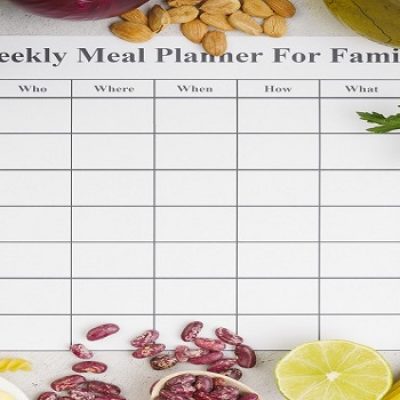
- Plan groceries weekly and avoid impulse buying
- Negotiate bills like internet, mobile, or insurance
- Pause non-essential spending for 30 days
- Use cheaper alternatives for daily expenses
Quick Wins You Can Start Today
- Review your last 30 days of spending and cut one major expense
- Set a short-term goal like saving your first $100 fast
- Use a “no-spend” rule for weekends or specific days
These actions work fast because they target the areas where most money is lost.
Which Expenses Should You Cut First?
The best way to save money quickly is to cut the right expenses in the right order. Not all expenses are equal. Some changes save a lot fast, while others barely make a difference. Focus on high-impact areas first to see real results.
Step-by-Step Priority System
- Cut non-essential subscriptions first
- streaming, apps, memberships
- Reduce food spending next
- takeout, snacks, unplanned groceries
- Lower monthly bills
- internet, mobile, utilities
- Pause lifestyle spending
- shopping, entertainment
- Avoid cutting essentials too early
- rent, basic food, transport
Simple Rule to Follow
- Cut what you don’t need
- Reduce what you overuse
- Keep what you depend on
Best Way to Save Money on a Tight Budget
The best way to save money on a tight budget is to focus on control, not restriction. You don’t need to cut everything. You need to prioritize what matters, reduce waste, and build small habits that create consistent savings over time. This works even if your income is low or unstable.
Practical Strategies That Work
- Use a simple cash envelope system for daily spending
- Switch to generic or store brands for groceries
- Cook meals in batches to reduce daily costs
- Plan purchases instead of buying on impulse
- Limit spending categories instead of cutting everything
How to Make It Work in Real Life
- Even if your income is low or unstable
- This works for families living paycheck to paycheck
- You don’t need a high income to start
The goal is not perfection. The goal is control. Small changes done consistently will always beat extreme cuts that don’t last.
How to Save Money When Living Paycheck to Paycheck
Saving money while living paycheck to paycheck feels impossible, but it’s still doable with the right approach. The goal is not to save big amounts. The goal is to create small, consistent progress without adding stress.
What to Do First
- Cover essential bills (housing, food, utilities)
- Track every expense for awareness
- Cut one non-essential cost immediately
- Start with a very small savings amount
Minimum Saving Strategy
- Save a small fixed amount every week
- Keep it separate so you don’t spend it
- Increase slowly when possible
Reality That Matters
- Even if your income is low or unstable
- This works for families living paycheck to paycheck
- You don’t need a high income to start
How to Start Saving Money (Step-by-Step Plan)
Starting to save money is simple when you follow clear steps. You don’t need a perfect budget or a high income. You just need a plan you can stick to. Focus on small actions, stay consistent, and build momentum over time.
Step-by-Step Plan
- Calculate your total monthly income
- List all fixed and variable expenses
- Set a small, realistic savings goal
- Open a separate savings account
- Automate transfers right after you get paid
- Track spending weekly to stay in control
- Adjust your plan based on what works
Beginner-Friendly Tips
- Start small if needed, even a little amount matters
- Save first, not what’s left at the end
- Keep savings in a separate account to avoid spending
- Focus on consistency, not perfection
The key is to start now and improve as you go.
Smart Money-Saving Tips That Add Up Over Time
Smart money-saving tips focus on small daily habits that reduce spending without making life harder. These actions may seem minor, but when done consistently, they create steady savings over time. This approach works well for families because it doesn’t require big sacrifices.
Everyday Tips That Work
- Cook at home more instead of ordering food
- Shop with a list to avoid impulse buying
- Turn off lights and reduce unnecessary electricity use
- Wait 24 hours before making non-essential purchases
- Use discounts, coupons, or cashback offers
- Buy in bulk for items you use regularly
Simple Habit Rules
- If you don’t plan it, don’t buy it
- If it’s not a need, delay it
- If it saves money long-term, consider it
These habits are easy to follow and help you stay in control without stress.
High-Impact Categories That Save More
- Groceries:
- Plan weekly meals
- Avoid waste
- Buy only what you use
- Bills:
- Review monthly charges
- Downgrade plans where possible
- Transport:
- Combine trips
- Reduce fuel use
Tools That Make Saving Money Easier
Tools make saving money easier by removing effort and guesswork. Instead of relying on discipline, you can use simple systems that track spending, automate savings, and help you stay consistent. This is where most people finally start saving without stress.
Useful Tools to Start With
- Budgeting apps: Track income and expenses in one place
- Automatic transfers: Move money to savings as soon as you get paid
- Expense trackers: Show where your money is going in real time
- Cashback and discount tools: Help you spend less on everyday purchases
How to Use Them Effectively
- Pick one tool, don’t use too many
- Set up automatic savings first
- Check your spending once a week
- Adjust based on your habits
Tools don’t replace discipline, but they make it much easier to stay consistent.
How Saving Money Improves Your Financial Life (Why It Matters)
Saving money improves your financial life by giving you stability, control, and peace of mind. It reduces stress, helps you handle emergencies, and allows you to plan for the future. It’s not just about money—it’s about having options and feeling secure in daily life.
Key Benefits of Saving Money
- Emergency protection: You’re prepared for unexpected expenses
- Less financial stress: Bills become easier to manage
- More freedom: You can make better life decisions without pressure
- Avoiding debt: Savings reduce the need to borrow money
- Future growth: You can invest and build long-term wealth
- Stronger financial stability: Families who follow simple saving systems are more likely to stay out of debt and handle unexpected expenses without stress
What This Means in Real Life
- You don’t panic when an unexpected bill shows up
- You can plan ahead instead of reacting to problems
- You gain confidence in your financial decisions
Saving money changes how you live, not just how you spend.
What is the fastest way to save money?
The fastest way to save money is to cut your biggest expenses first. Focus on housing, food, and subscriptions instead of small daily costs. Cancel what you don’t need, reduce eating out, and set a short-term savings goal to build momentum quickly.
How can I save money with low income?
You can save money with low income by focusing on control, not perfection. Track every expense, cut unnecessary spending, and start saving small amounts consistently. Even if your income is low or unstable, small savings add up over time.
How much should I save each month?
A common goal is to save 10–20% of your income, but this depends on your situation. If that feels too high, start smaller. The key is consistency. Saving a small amount every month is better than saving nothing.
What expenses should I cut first?
Start with non-essential recurring costs like subscriptions, dining out, and impulse purchases. Then look at larger expenses like groceries and utilities. Focus on areas where you can reduce spending without affecting your basic needs.
Is saving $100 a month enough?
Yes, saving $100 a month is a strong start. It builds discipline and creates a habit. Over time, you can increase the amount as your income grows or expenses decrease. What matters most is consistency.
Conclusion
Saving money becomes easier when you follow a simple system instead of guessing. Focus on controlling spending, building small habits, and staying consistent. Start today by choosing a few steps from this guide and putting them into action. Small changes now can lead to real financial stability over time.