Eating fresh produce doesn’t have to drain your wallet. Prices for fruits and vegetables can change week to week, and knowing which items stay affordable all year helps families save money while still eating healthy. This guide breaks down the cheapest produce, when to buy it, and smart strategies to stretch your grocery budget.
Why Produce Prices Change
Not all fruits and veggies cost the same all year. Understanding why prices fluctuate helps you plan smarter.
- Seasonal supply and demand: Fruits and vegetables are cheapest when in season locally. Out-of-season items are usually imported, which raises costs.
- Weather impact: Droughts, floods, or unexpected cold snaps can spike prices for certain crops.
- Transportation costs: Fuel prices affect imported produce.
- Local vs imported: Local items are often cheaper and fresher, while imported produce may be more expensive but available year-round.
Year‑Round Cheapest Produce
Some items tend to stay affordable no matter the season. Stocking up on these can save money and reduce last-minute grocery stress.
- Potatoes and sweet potatoes: Great for roasting, mashing, or soups. They store well for weeks.
- Carrots: Perfect for snacks, soups, and salads. Often cheap in bulk.
- Cabbage and lettuce: Leafy greens that last when stored properly; ideal for slaws and soups.
- Bananas: Inexpensive, sweet, and versatile for breakfasts or smoothies.
- Apples: Good for snacking or baking; last longer when refrigerated.
- Onions: Essential for cooking, store for months in a cool, dry place.
- Frozen vegetables and fruits: Often cheaper than fresh, equally nutritious, and last much longer.
How to Shop Smart Every Month
Saving money isn’t just about knowing which produce is cheap—it’s about shopping smart.
- Check weekly ads: Compare prices at different stores before shopping.
- Use store loyalty programs: Many offer discounts or digital coupons.
- Buy in bulk when prices are low: Freeze or store extras for later.
- Compare fresh vs frozen or canned: Frozen options can be cheaper and last longer.
- Plan meals around sales: Base your weekly menu on what’s on sale.
Latest Trends in Produce Pricing
Keeping up with trends helps families anticipate changes and make better shopping choices.
- Imported produce rising: Global supply chain issues can make off-season items more expensive.
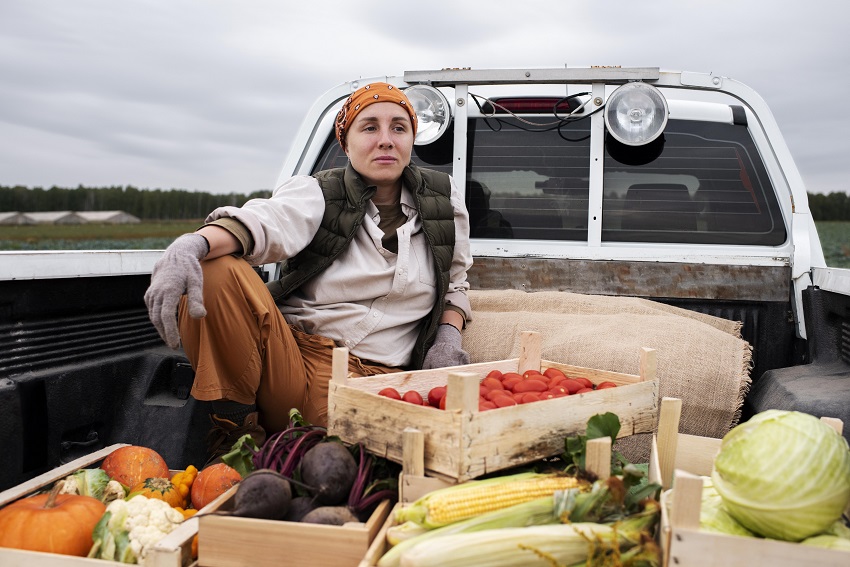
- Local farm shares (CSAs): Subscription boxes can be cheaper than buying in small amounts.
- Inflation effects: Prices for some vegetables and fruits are increasing, making planning even more important.
- Urban gardening growth: Growing herbs, tomatoes, or greens at home can offset grocery costs.
Tools and Strategies to Track Prices
Modern tools make it easier to stay ahead of price changes.
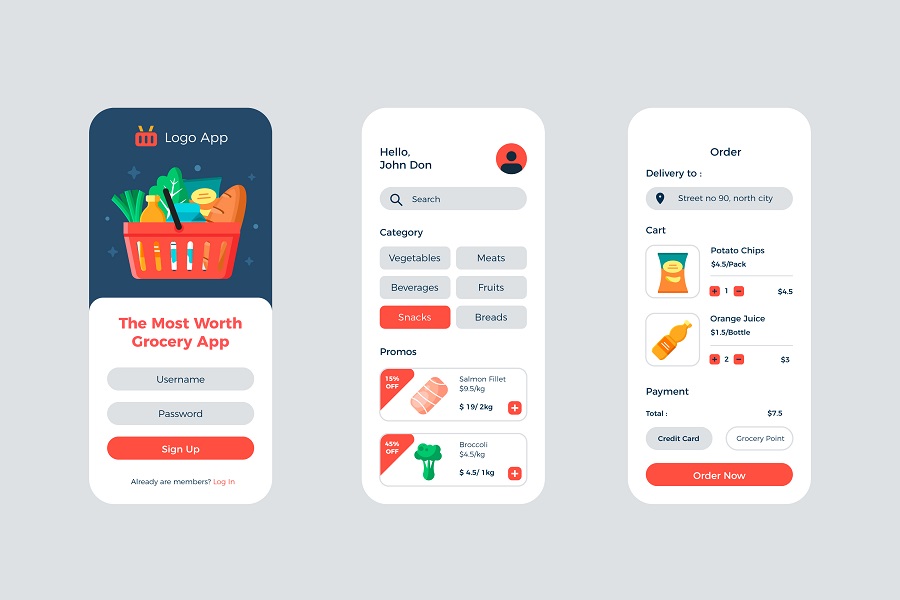
- Grocery apps: Track deals, compare store prices, and see weekly specials.
- Price trackers and alerts: Notify you when certain items drop in price.
- Seasonal produce guides: Quick reference for cheapest items each month.
- Digital coupons and cashback apps: Reduce costs further without extra effort.
Conclusion
Buying the cheapest produce year-round is possible with planning, awareness, and the right tools. Focus on items that stay affordable, track prices, and take advantage of sales and frozen options. Small changes in shopping habits can add up to significant savings while keeping your family healthy.
Start this week: check the store ads, grab a few bulk items from the cheap produce list, and see how much you can save.
What produce is cheapest year-round?
Potatoes, carrots, cabbage, onions, bananas, and apples are usually affordable all year. Frozen fruits and vegetables are also great budget-friendly options.
Why do produce prices change?
Prices fluctuate due to seasonality, weather conditions, transportation costs, and whether the produce is local or imported.
Is frozen produce cheaper than fresh?
Often yes. Frozen fruits and vegetables are picked at peak ripeness, last longer, and can cost less than out-of-season fresh produce.
How can I plan grocery shopping to save money on produce?
Check weekly store ads, use loyalty programs, buy in bulk when items are cheap, and plan meals around what’s on sale.
Are there tools to track produce prices?
Yes. Grocery apps, price trackers, seasonal produce guides, and cashback apps can help you spot deals and save money.
Does buying local produce save money?
Usually. Local, in-season produce tends to be cheaper and fresher than imported alternatives.
Can growing your own produce help?
Yes. Herbs, tomatoes, greens, and other easy-to-grow vegetables can cut grocery costs, especially for small families.
How can I store produce to make it last longer?
Potatoes and onions: cool, dark, dry place
Carrots and leafy greens: fridge in sealed bag
Apples and bananas: fridge for apples, room temperature for bananas