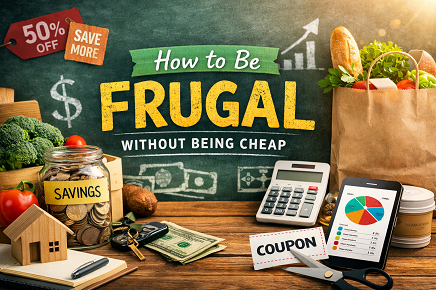
Being frugal isn’t about cutting every corner or avoiding spending altogether. It’s about making smart choices, prioritizing value over price, and keeping your money working for you. In today’s fast-changing world, knowing how to be frugal without being cheap is critical—especially for families managing tight budgets, young adults starting out, or anyone trying to save for the future.
What Being Frugal Really Means
Many people confuse frugality with cheapness, but they’re very different.
- Frugal: Spending wisely, focusing on value, and making money go further.
- Cheap: Avoiding spending at all costs, often sacrificing quality, relationships, or long-term savings.
For example, buying a well-made pair of shoes that last years is frugal. Buying the cheapest pair that breaks in a month is cheap.
The key is investing in what matters and cutting costs only where it won’t hurt your lifestyle or happiness.
Mindset Shifts for Smart Saving
Frugality starts in the mind. A smart mindset helps you make choices that save money without sacrificing your quality of life.
- Distinguish needs vs wants: Focus on essentials first, but allow room for enjoyment.
- Think long-term: A small upfront cost might save you money later.
- Value quality: Cheap solutions often cost more in the long run.
- Avoid guilt: Spending wisely isn’t bad; overspending is.
Adopting these habits ensures you’re frugal, not stingy.
Modern Trends in Frugal Living
Being frugal today looks different than it did 10 years ago. Some trends that make frugality easier include:
- Cash-back and rewards apps: Earn back money on things you were going to buy anyway.
- Community swaps & sharing economies: Tools, toys, or clothing can be borrowed or swapped.
- Smart bulk buying: Buy essentials in bulk and store them properly.
- DIY and upcycling: Repairing or repurposing items saves money and reduces waste.
Staying updated with trends keeps your frugal habits fresh and effective.
Core Strategies for Daily Frugality
Here are practical steps anyone can take to save money wisely:
- Budgeting: Track income and expenses with a simple system. Zero-based budgets or envelope methods work well.
- Meal planning: Cooking at home and using leftovers cuts grocery bills.
- Thrift shopping: Buy high-quality secondhand items instead of cheap new ones.
- Energy saving: Switch to LED lights, unplug devices, and use water-saving methods.
- Transportation: Use public transit, carpool, or maintain your vehicle to avoid costly repairs.
The focus is always on saving without sacrificing quality.
Tools That Make Frugality Easier
Technology can help you save smarter, not harder:
- Budgeting apps: Track spending, plan bills, and set savings goals.
- Price comparison tools: Ensure you get the best deals before buying.
- Coupon aggregators: Find discounts without hunting manually.
- Subscription trackers: Avoid paying for services you don’t use.
The right tools keep your frugal habits organized and stress-free.
Common Frugal Mistakes to Avoid
Even well-meaning savers can fall into traps:
- Buying cheap, replacing often: It may feel like a bargain, but it often costs more.
- Ignoring maintenance: Skipping small repairs can lead to bigger expenses.
- Frugal guilt: Spending wisely is okay—don’t let fear control you.
Avoiding these mistakes keeps your approach smart and sustainable.
Frugal Living for Families
Families face unique challenges. Frugality can be taught and shared:
- Meal prep together: Kids can help plan and cook meals.
- Shared experiences over gifts: Focus on memories instead of material items.
- Educational purchases: Invest in items that provide long-term learning and value.
- Budget-friendly outings: Parks, community events, and local attractions are low-cost fun.
Being frugal as a family teaches discipline and financial awareness without cutting happiness.
Conclusion
Being frugal without being cheap is about making smart choices, valuing quality, and staying mindful of your spending. It’s a mindset, a strategy, and a lifestyle. Start with one small change this week—like planning meals, tracking expenses, or trying a community swap—and build from there.
Frugality isn’t about sacrifice—it’s about control, freedom, and making your money work for you.
What is the difference between being frugal and being cheap?
Being frugal means spending wisely and valuing quality, while being cheap focuses on avoiding spending at all costs, often sacrificing value or comfort.
How can I save money without feeling deprived?
Focus on budgeting, meal planning, and smart shopping. Prioritize needs over wants and look for ways to reduce costs without cutting out enjoyable experiences.
What are some modern frugal living strategies?
Use cash-back apps, buy in bulk, participate in community swaps, repurpose items, and track subscriptions to avoid unnecessary spending.
How can families practice frugal living together?
Meal prep as a family, choose shared experiences over gifts, prioritize educational purchases, and enjoy free or low-cost local activities.
Are there tools to help me be frugal smarter?
Yes. Budgeting apps, price comparison tools, coupon aggregators, and subscription trackers help you save efficiently without extra stress.
How do I avoid common frugal mistakes?
Avoid buying cheap items that break quickly, neglecting maintenance, or feeling guilty for spending on necessary or high-quality purchases.
Can frugality help me achieve financial goals faster?
Absolutely. Smart spending, saving, and investing the money you save can accelerate paying off debt, building an emergency fund, or saving for future purchases.
How do I start being frugal without changing my entire lifestyle?
Start small—plan your meals, track expenses, or try a community swap. Gradually incorporate more strategies without making drastic sacrifices.
Is frugal living suitable for everyone?
Yes. Anyone looking to manage money better, save for future goals, or reduce unnecessary spending can benefit from frugal habits.
How do I teach my kids to be frugal without being cheap?
Lead by example, involve them in budgeting and meal prep, explain the value of money, and focus on experiences and smart purchases instead of just saving pennies.