Last Updated on March 5, 2026 by Gil
How to be frugal without being cheap means learning to spend money wisely while still valuing quality, comfort, and long-term value. Many people think frugal living means cutting every expense, but real frugality focuses on smart decisions that reduce waste without lowering your quality of life. For families, this approach can stretch the household budget, reduce financial stress, and make everyday spending more intentional. When you understand how to be frugal without being cheap, you start prioritizing value over price and building habits that help your money last longer.
What Does It Mean to Be Frugal Without Being Cheap?
Being frugal without being cheap means focusing on value instead of simply choosing the lowest price. People who practice frugal living look for quality, durability, and usefulness before spending money. The goal is to avoid waste, make thoughtful purchases, and stretch your budget while still maintaining a comfortable lifestyle.
Key Differences Between Frugal and Cheap
- Frugal thinking focuses on long-term value. Cheap thinking focuses only on the lowest price.
- Frugal buyers invest in quality. Cheap buyers often replace items frequently.
- Frugal spending supports a balanced lifestyle. Cheap spending may sacrifice comfort or reliability.
- Frugal decisions are intentional. Cheap decisions are usually based only on saving money immediately.
- Frugal habits help build financial stability. Cheap habits can lead to poor spending choices.
Examples of Frugal vs Cheap Choices
- Buying a durable kitchen appliance instead of the lowest-priced model.
- Cooking healthy meals at home instead of relying on low-quality fast food.
- Repairing items that still have value instead of replacing them too quickly.
- Investing in tools or skills that improve long-term savings.
Frugal vs Cheap: What’s the Real Difference?
Frugal vs cheap is a common comparison in personal finance. Being frugal means spending carefully to get the best value for your money, while being cheap focuses only on paying the lowest price. When people learn how to be frugal without being cheap, they prioritize quality, usefulness, and long-term savings instead of short-term price cuts.
Key Differences Between Frugal and Cheap
- Frugal focuses on value. Cheap focuses only on the lowest cost.
- Frugal thinking considers long-term use. Cheap thinking ignores durability.
- Frugal spending protects quality of life. Cheap spending may sacrifice comfort.
- Frugal buyers research before purchasing. Cheap buyers usually choose the lowest price immediately.
- Frugal habits reduce waste over time. Cheap habits often lead to repeated purchases.
Examples of Frugal vs Cheap Decisions
- Choosing a durable appliance that lasts years instead of the cheapest option that breaks quickly.
- Cooking meals at home with healthy ingredients instead of constantly buying low-quality fast food.
- Maintaining your car regularly instead of skipping maintenance to save money now.
- Buying fewer but higher-quality clothes that last longer.
Why Frugal Living Matters More Than Ever
Frugal living matters more than ever because rising living costs make it harder for families to manage everyday expenses. Learning how to be frugal without being cheap helps households stretch their income, reduce financial stress, and avoid unnecessary spending. Smart financial habits allow families to save money while still maintaining comfort and stability.
Financial Challenges Many Families Face
- Higher grocery prices make meal planning more important.
- Housing and utility costs continue to rise in many areas.
- Unexpected expenses can disrupt a monthly budget.
- Lifestyle spending often grows faster than income.
Why Smart Frugal Habits Help
- They reduce unnecessary spending.
- They help families build emergency savings.
- They make budgeting easier and more predictable.
- They create long-term financial stability.
Frugal living does not mean giving up the things you enjoy. It simply means spending with purpose so your money supports the priorities that matter most.
17 Smart Ways to Be Frugal Without Being Cheap
Learning how to be frugal without being cheap means choosing habits that reduce waste while still protecting quality and comfort. The goal is not to avoid spending entirely but to spend in smarter ways. These practical strategies help families save money while still enjoying a balanced lifestyle.
Best Ideas to Be Frugal Without Being Cheap
- Buy quality items that last longer
Paying more for durable products often saves money over time. - Plan your meals each week
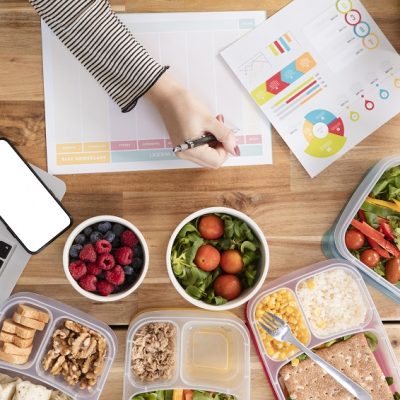
Meal planning reduces grocery waste and limits expensive takeout. - Cook more meals at home
Home cooking is one of the easiest ways to lower monthly expenses. - Buy used items when it makes sense
Furniture, tools, and kids’ items are often available secondhand in excellent condition. - Maintain what you already own
Regular maintenance prevents costly replacements. - Avoid impulse purchases
Waiting before buying helps prevent unnecessary spending. - Use a simple monthly budget
Tracking expenses helps identify where money is being wasted. - Buy fewer but better clothes
High-quality clothing lasts longer than cheap fast-fashion items. - Use leftovers creatively
Turning leftovers into new meals reduces food waste. - Compare prices before buying
A quick comparison can reveal better deals or higher-quality options. - Borrow or share rarely used items
Tools, equipment, and party supplies can often be borrowed. - Choose experiences over expensive items
Family memories are often more valuable than material purchases. - Cancel unused subscriptions
Small recurring charges add up over time. - Use energy wisely at home
Turning off lights and reducing energy use lowers utility bills. - Shop with a list
A grocery list prevents unnecessary purchases. - Learn simple repair skills
Fixing small problems can extend the life of many household items. - Focus on value, not just price
The best purchase is the one that lasts and serves your needs well.
Everyday Frugal Habits That Save Money
Everyday frugal habits help families save money consistently without making drastic lifestyle changes. When people learn how to be frugal without being cheap, they focus on small daily choices that reduce waste and improve spending habits. Over time, these simple routines can make a noticeable difference in a household budget.
Daily Habits That Support Frugal Living
- Track your spending regularly
Knowing where your money goes helps you spot unnecessary expenses. - Plan grocery shopping in advance
Shopping with a plan prevents impulse purchases and food waste. - Cook meals at home more often
Home-cooked meals cost much less than frequent restaurant visits. - Use what you already have first
Finish food, household products, and supplies before buying more. - Carry water and snacks from home
This avoids small daily purchases that quickly add up. - Review subscriptions monthly
Cancel services you no longer use. - Avoid convenience spending
Convenience purchases are often more expensive than planned options. - Take care of household items
Proper care helps appliances, furniture, and clothing last longer.
Simple Tips to Make Frugal Habits Easier
- Set a weekly spending limit.
- Use a grocery list every time you shop.
- Schedule one weekly meal prep session.
- Check bills and expenses at the end of each week.
- Focus on value instead of quick bargains.
How to Start Living Frugally
Starting a frugal lifestyle does not require drastic changes. Learning how to be frugal without being cheap begins with small, intentional actions that improve how you manage money. By focusing on spending awareness and simple habits, families can gradually reduce unnecessary expenses while still maintaining a comfortable lifestyle.
Step-by-Step Plan to Start Living Frugally
- Track your spending for one month
Write down every expense to understand where your money goes. - Identify unnecessary expenses
Look for subscriptions, impulse purchases, or habits that waste money. - Create a simple budget
Plan how much money should go toward essentials, savings, and flexible spending. - Start with one or two frugal habits
Examples include meal planning or limiting takeout. - Focus on buying items that last longer
Choosing durable products prevents repeated spending. - Build a small emergency fund
Even a small savings cushion helps avoid financial stress. - Review your progress each month
Adjust your spending habits as needed and look for new ways to save.
Tips to Make Frugal Living Sustainable
- Start with small changes instead of trying to cut everything at once.
- Focus on habits that provide long-term value.
- Involve family members in budgeting and planning.
- Celebrate progress as your savings grow.
Frugal Living Tips for Families
Frugal living tips for families focus on reducing expenses while still creating a comfortable and enjoyable home life. Learning how to be frugal without being cheap helps families manage rising costs, teach children smart money habits, and make better spending decisions that support long-term financial stability.
Practical Frugal Ideas for Families
- Plan family meals for the week
Meal planning helps control grocery spending and reduces food waste. - Choose low-cost family activities
Parks, community events, and game nights provide fun without large expenses. - Buy kids’ items secondhand
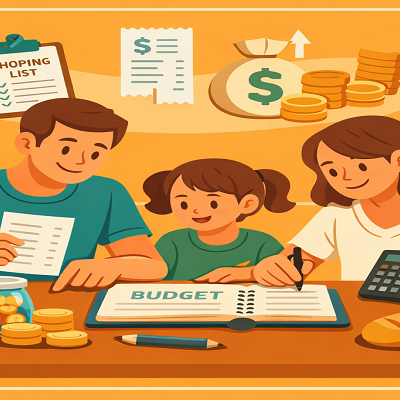
Children outgrow clothes and toys quickly, so used items can save money. - Create a family budget together
Involving everyone helps build awareness of spending habits. - Use hand-me-downs when possible
Passing items between siblings reduces unnecessary purchases. - Set limits on entertainment spending
Look for free or low-cost options for movies, outings, and activities. - Cook together as a family
This saves money and teaches useful life skills.
Ways to Teach Kids Frugal Habits
- Explain the difference between needs and wants.
- Encourage saving part of their allowance.
- Involve them in grocery shopping decisions.
- Show them how planning helps the family budget.
Common Frugal Living Mistakes to Avoid
Common frugal living mistakes happen when people focus only on saving money today instead of thinking about long-term value. Learning how to be frugal without being cheap means avoiding choices that reduce quality or create bigger expenses later. Smart frugality balances saving money with making practical decisions that last.
Mistakes That Can Cost More Over Time
- Buying the cheapest option every time
Low-quality items often break quickly and need replacement. - Ignoring regular maintenance
Skipping maintenance for cars, appliances, or homes can lead to expensive repairs. - Extreme coupon or deal chasing
Buying things you do not need just because they are discounted wastes money. - Avoiding necessary spending
Some purchases, such as healthcare or safety repairs, should not be delayed. - Not tracking spending habits
Without tracking expenses, it is easy to overspend in small ways.
How to Avoid These Frugal Mistakes
- Focus on value and durability before price.
- Plan purchases instead of making impulse decisions.
- Maintain items regularly to extend their lifespan.
- Stick to a budget that reflects your real priorities.
Benefits of Being Frugal Without Being Cheap
The benefits of learning how to be frugal without being cheap go beyond saving money. This approach helps families make better financial decisions, reduce stress, and build long-term stability. When spending is intentional and focused on value, households can enjoy a balanced lifestyle while still protecting their financial future.
Financial Benefits
- More money available for savings
Smart spending frees up money that can go toward emergency funds or long-term goals. - Less debt and financial pressure
Intentional spending reduces reliance on credit cards or loans. - Better control over monthly budgets
Families gain a clearer understanding of where their money goes.
Lifestyle Benefits
- Lower financial stress
Managing money wisely creates a sense of stability and control. - Better spending decisions
Purchases are based on value rather than impulse. - Stronger financial habits for the future
Consistent frugal habits help families build lasting financial discipline.
What is the difference between being frugal and being cheap?
Being frugal means spending money wisely and focusing on value, quality, and long-term savings. Being cheap focuses only on paying the lowest price, even if it leads to poor quality or repeated purchases.
How can I be frugal without sacrificing quality?
Focus on buying fewer but better items, planning purchases carefully, and maintaining what you already own. Spending a little more on durable products often saves money in the long run.
What are the best frugal habits to start with?
Start with simple habits such as meal planning, tracking expenses, avoiding impulse purchases, and cooking more meals at home. Small habits can create big savings over time.
Can families live frugally without feeling restricted?
Yes. Families can practice frugal living by choosing affordable activities, budgeting together, and focusing on meaningful experiences instead of unnecessary spending.
Does frugal living help build long-term savings?
Yes. Consistent frugal habits reduce unnecessary expenses and allow more money to go toward savings, emergency funds, or future financial goals.
Conclusion
Learning how to be frugal without being cheap is about making smarter choices with your money while still protecting your quality of life. Frugal living focuses on value, planning, and intentional spending rather than simply choosing the lowest price. When families adopt practical habits like meal planning, budgeting, and maintaining what they own, they can reduce expenses without sacrificing comfort.
Start small. Choose one or two frugal habits this week and build from there. Over time, these simple changes can help you save more money, reduce financial stress, and create a stronger financial future for your family.