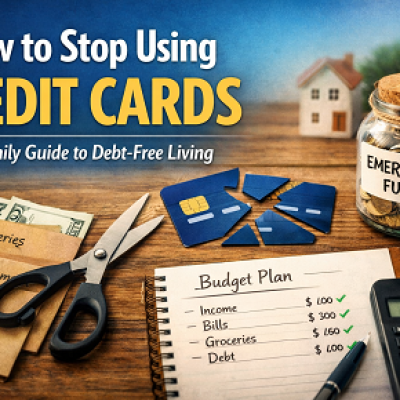
How to create an emergency fund is one of the most important steps you can take to protect your family from financial stress. Life can change fast. A job loss, a medical bill, or a sudden repair can hit without warning. Most people are not ready, and that’s where problems start.
The good news is you don’t need a lot of money to begin. You just need a clear plan. Here, you’ll learn simple steps to build your emergency fund, even on a tight budget, and how to grow it over time without feeling overwhelmed.
What Is an Emergency Fund?
An emergency fund is money saved for unexpected expenses like job loss, medical bills, or urgent repairs. It helps you avoid debt and stay financially stable during tough situations.
What Counts as an Emergency
- Job loss or reduced income
- Medical or hospital bills
- Urgent car or home repairs
- Emergency travel for family
What Is NOT an Emergency
- Shopping or sales
- Vacations or trips
- Upgrading gadgets
- Eating out or entertainment
Why an Emergency Fund Is Important
An emergency fund is important because it protects you from sudden financial problems and keeps you from going into debt. It gives you time to handle tough situations without panic. For families, it means stability, control, and peace of mind when income drops or expenses rise unexpectedly.
Key Benefits
- Avoids high-interest debt
- Reduces daily money stress
- Protects your family’s basic needs
- Gives you time to recover from setbacks
How Much Emergency Fund Do You Need?
An emergency fund should cover essential living expenses for a set period so you can manage without income. Most experts suggest 3 to 6 months, but starting smaller works better for real life. Build your fund in stages so it feels doable and keeps you motivated.
Smart Savings Milestones (Better Than Generic Advice)
- $100 quick start — proves you can save
- $500 mini safety net — covers small emergencies
- $1,000 strong buffer — handles most urgent costs
- 1 month of expenses — real stability begins
- 3–6 months of expenses — full financial protection
How to Create an Emergency Fund (Step-by-Step Plan)
Creating an emergency fund means saving small, consistent amounts in a separate account until you reach a safety goal. The process is simple: know your expenses, set a target, and build it over time. You don’t need perfect income—just a clear system and steady action.
Simple Steps to Follow
- Calculate your monthly expenses
- Set a small starter goal ($100–$500)
- Open a separate savings account
- Start saving small amounts weekly
- Automate transfers on payday
- Cut one or two non-essential expenses
- Add extra income when possible
How to Build an Emergency Fund Fast
Building an emergency fund fast means increasing how much you save in a short time by cutting extra spending and using any additional income. It works best when you focus on short-term effort, not perfection. Even a few weeks of focused saving can help you reach your first $500 quickly.
Fast-Track Methods
- Save money first before spending anything
- Use tax refunds, bonuses, or gifts
- Try a 30-day no-spend challenge
- Pause all non-essential expenses
- Sell unused items at home
Emergency Fund for Families
An emergency fund for families needs to be larger and more flexible because more people depend on it. Expenses are higher, and risks are bigger. One income change or medical issue can affect everyone, so having a strong safety buffer is critical.
What Families Should Focus On
- Include all household expenses (food, school, transport)
- Plan for medical and child-related costs
- Aim for at least 3–6 months faster than singles
- Keep money easily accessible for quick use
Real-Life Example
- A family saves $10 daily → $300/month
- In 3 months = $900
- In 6 months = $1,800
Small daily saving builds real protection.
Emergency Fund for Low Income (Real-Life Plan)
An emergency fund for low income means saving very small amounts consistently while covering basic needs. You don’t need a high salary to start. The focus is steady progress, not big numbers. Even small savings can protect you from debt and give you a basic financial cushion over time.
Practical Ways to Start with Little Money
- Save $1–$5 daily if possible
- Round up spare change into savings
- Cut just one small expense (not everything)
- Save part of any extra income, no matter how small
- Build weekly habits instead of monthly pressure
Emergency Fund with Irregular Income
Building an emergency fund with irregular income means saving based on your lowest earning months, not your best ones. Income is not stable, so your safety net must be stronger and more consistent.
Simple Plan That Works
- Calculate your lowest monthly income
- Save a percentage from every payment (not leftover money)
- Build a 1-month buffer first
- Increase to 3–6 months over time
Smart Rule
- On high-income months → save more
- On low-income months → maintain minimum saving
This keeps your emergency fund growing no matter what.
Best Place to Keep Your Emergency Fund
The best place to keep your emergency fund is a safe, separate account where your money is easy to access but not easy to spend. It should protect your savings while staying available when you need it. Avoid risky options. This money is for safety, not growth.
Safe Options
- Regular savings account
- High-yield savings account
- Bank account with instant access
What to Avoid
- Stocks or shares
- Cryptocurrency
- Long-term investments
- Keeping cash at home
Common Emergency Fund Mistakes to Avoid
Many people struggle to build an emergency fund because of simple mistakes that slow progress or drain savings. Avoiding these mistakes helps you stay consistent and reach your goal faster. A strong emergency fund depends more on habits than income.
Mistakes That Slow You Down
- Using the fund for non-emergencies
- Not keeping it in a separate account
- Trying to save too much too fast and quitting
- Saving too little without a clear goal
- Ignoring rising living costs
When Should You Use Your Emergency Fund?
You should use your emergency fund only when a situation is urgent, necessary, and cannot be covered by your regular income. It is meant to protect your basic needs, not convenience. Using it wisely keeps it available when you truly need it most.
Quick Decision Checklist
- Is it urgent and unexpected?
- Is it necessary for your health, safety, or income?
- Do you have no other safe option?
If the answer is yes to all three, it’s likely a real emergency.
How to Rebuild Your Emergency Fund After Using It
Rebuilding your emergency fund means starting again with small, steady savings after you’ve used it. This is normal. The fund did its job. The goal now is to restore your safety net quickly without stress by following the same simple system that worked before.
Simple Rebuild Plan
- Start again with a small weekly amount
- Set a short-term goal ($100 or $500)
- Cut one expense to free up cash
- Add any extra income directly to savings
- Increase your savings gradually as you recover
Quick Action Plan (Save Your First $500 Fast)
A focused plan helps you build your first emergency fund quickly by taking direct action instead of waiting. The goal is speed and consistency. Reaching $500 fast creates momentum and proves that saving is possible even on a tight budget.
7-Day Fast-Start System
- Day 1: list all expenses and cut one immediately
- Day 2: save your first $20–$50
- Day 3: sell one unused item
- Day 4: pause all non-essential spending
- Day 5: add any extra income to savings
- Day 6: set up automatic weekly saving
- Day 7: review progress and repeat
👉 Repeat weekly until you hit $500.
Money-Saving Tips That Make It Easier
Saving for an emergency fund becomes easier when you control small daily spending and stay consistent. You don’t need big sacrifices. Simple habits can free up money without hurting your lifestyle. The goal is to make saving automatic and sustainable over time.
Simple Tips That Work
- Use cash for daily spending to avoid overspending
- Plan your weekly budget before spending
- Avoid impulse buying by waiting 24 hours
- Cook more meals at home instead of eating out
- Review your expenses at the end of each month
Why an Emergency Fund Gives You Financial Control
An emergency fund gives you financial control by providing a cushion during unexpected situations. It helps you handle problems without panic or debt. Instead of reacting to money stress, you stay in control and make better decisions. This stability improves both your finances and your daily life.
Long-Term Benefits
- Reduces financial stress and anxiety
- Helps you avoid high-interest debt
- Builds strong saving habits over time
- Protects your long-term financial goals
How to start an emergency fund with no money?
Start with very small amounts. Even saving $1 a day builds momentum. Cut one small expense and redirect that money into savings. Focus on your first $100 goal. Once you begin, consistency matters more than how much you save at the start.
How much should I save each month?
A simple rule is to save 5% to 10% of your income if possible. If that feels too high, start with any fixed amount you can manage weekly. The key is regular saving, not perfection. Increase the amount slowly as your income improves.
Where should I keep my emergency fund?
Keep your emergency fund in a separate savings account that is safe and easy to access. A high-yield savings account is a good option because it earns some interest while keeping your money secure and available when needed.
Can I invest my emergency fund?
No. Your emergency fund should stay in a safe place, not invested in stocks or risky assets. Investments can lose value when you need the money most. This fund is for protection, not growth.
How long does it take to build an emergency fund?
It depends on your income and how much you save regularly. Many people reach their first $500 within a few weeks or months. Building a full 3 to 6 months of expenses can take several months to a year or more with steady effort.
Why Small Savings Work Better Than Big Plans
Small, consistent saving works because it builds habits you can maintain long-term. Large, aggressive goals often fail because they are hard to sustain. When you save small amounts regularly, your emergency fund grows steadily without stress, making it more reliable over time.
Why This Works
- Easier to stay consistent
- Reduces burnout
- Builds discipline
- Creates long-term financial stability
Building an emergency fund is one of the smartest steps you can take for your financial security. You don’t need a large income or perfect plan to start. Small, consistent actions lead to real results. Start today, even with a small amount, and build your safety step by step.