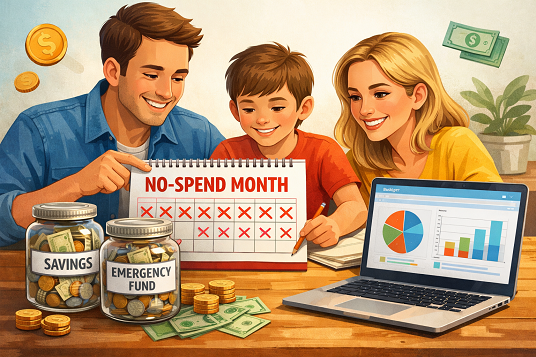

Living frugally in 2026 isn’t the same as it used to be. Prices keep rising, technology keeps changing, and old money-saving tips often fall short. Families, singles, and couples all need new strategies to make every dollar count. This guide covers modern hacks, practical tools, and fresh strategies that actually work in today’s world.
What Frugality Looks Like in 2026
Frugal living today isn’t just about cutting costs. It’s about smart choices that fit modern life.
- Modern frugality: Combining tech, budgeting, and lifestyle adjustments.
- Trends that matter: Remote work, rising rent, AI tools, subscription culture.
- Smart vs trendy: Saving money doesn’t mean skipping life, it means prioritizing what matters.
Budgeting Tools and Systems That Work Now
A budget that’s easy to follow makes saving automatic.
- Zero-based budgeting: Assign every dollar a job before you spend.
- Digital envelope method: Track categories like groceries and bills online.
- Apps that help: Look for apps that alert you when spending exceeds limits.
- Alerts and caps: Notifications prevent overspending before it happens.
Smart Shopping and Subscriptions
Cut costs without cutting essentials.
- Audit subscriptions: Cancel what you don’t use, combine services when possible.
- Price tracking: Use apps or browser extensions to catch deals.
- Second-hand shopping: Furniture, clothes, and electronics save big money.
- Bulk buying smartly: Only buy items you’ll use regularly.
Cutting Everyday Costs
Small adjustments can make a big difference over time.
- Meal planning: Cook in batches to reduce food waste.
- Energy savings: Switch to LEDs, unplug devices, use smart thermostats.
- Transportation: Carpool, bike, or take public transit when possible.
- Minimalist wardrobe: Keep versatile pieces and avoid impulse buys.
Income Hacks That Boost Frugality
Saving is powerful, but making extra money accelerates results.
- Side gigs: Freelancing, tutoring, or delivery work.
- Passive income: Digital products, content creation, or investing.
- Sell unused items: Declutter and earn cash at the same time.
Tracking Progress and Staying Motivated
Measuring results keeps you consistent and motivated.
- Track spending: Use spreadsheets or apps to see where money goes.
- Monthly reviews: Adjust goals and track growth.
- Challenges and accountability: Join groups or set personal savings challenges.
Conclusion
Living frugally in 2026 requires new habits, smart tools, and ongoing adjustments. Small, consistent steps add up to big savings. Start today by picking one hack and trying it this week. Your future self will thank you.
What does frugal living mean in 2026?
Frugal living today isn’t just about cutting costs. It’s about using tools, tech, and strategies to save money while still enjoying life. Think smart spending, smart earning, and minimal waste.
Can I live frugally with a family?
Yes. Families can save by meal planning, cutting unnecessary subscriptions, using energy-efficient products, and tracking spending together. Every small habit adds up.
Which budgeting method works best now?
Zero-based budgeting and digital envelope systems are the most effective. They give every dollar a job and make overspending hard to do.
How can I cut everyday expenses without feeling deprived?
Focus on what matters. Meal prep, energy savings, and smart transportation can cut big costs. Minimalism in shopping helps, but don’t skip things that make life enjoyable.
Are side hustles necessary for frugal living?
Not strictly, but extra income speeds up results. Even small gigs or selling unused items can create a cushion and help reach financial goals faster.
What modern tools help with frugal living?
Apps for budgeting, subscription tracking, price comparison, and expense monitoring are key. Some AI tools can even help plan meals or find deals.
How do I stay motivated to save?
Track progress monthly, celebrate small wins, and try challenges. Accountability partners or online groups can keep you consistent.
Do these hacks work for beginners?
Yes. Start small, pick one or two hacks, and build habits over time. Even small changes lead to noticeable savings.