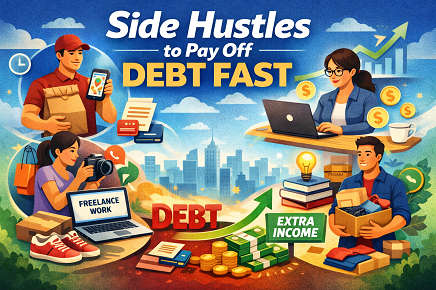

Student loan debt feels heavy. And for many families, it shapes every money decision. Groceries, rent, childcare, savings — everything competes with that monthly payment.
The good news? You can pay off student loans on a budget. You don’t need a huge income. You need a clear plan, smart student loan repayment strategies, and steady action.
Here’s how to do it.
1. Know Exactly What You Owe
You can’t build a strong student loan debt plan without clear numbers.
Start here:
- List every loan.
- Write the balance.
- Note the interest rate.
- Check if it’s federal or private.
- Confirm the repayment term.
Federal vs private student loans matter. Federal loans often offer income-driven repayment. Private loans usually don’t.
Also check:
- Your monthly payment
- Total interest over time
- Whether you’re on the standard repayment plan
This step alone can show you the best way to pay student loans faster.
2. Build a Budget That Supports Loan Payoff
If your budget doesn’t include a debt plan, your debt won’t shrink.
Start simple.
Step 1: Track income
- Salary
- Side income
- Child benefits (if any)
Step 2: Track expenses
- Rent or mortgage
- Utilities
- Food
- Transportation
- Insurance
- Subscriptions
Now cut what doesn’t serve you.
Look at:
- Streaming services
- Eating out
- Impulse spending
- Expensive phone plans
Small cuts free up cash. That cash goes straight to your student loan repayment.
This is one of the most effective budget tips for loan repayment.
3. Choose the Right Repayment Plan
Your repayment plan changes everything.
If you have federal loans, look at:
- Standard repayment plan
- Income-driven repayment (IDR)
- Graduated repayment
- Extended repayment
If your income is tight, income-driven repayment can lower your monthly payment. That gives breathing room.
But lower payments often mean more interest over time.
If your goal is to reduce loan interest costs, paying more than the minimum is key.
Private loans? Call your lender. Ask about hardship options or refinancing.
4. Use the Avalanche or Snowball Method
You need a payoff strategy.
Debt Avalanche
- Focus on the highest interest rate first.
- Pay minimum on others.
- Throw extra money at the highest rate.
This reduces total interest. It’s usually the best way to pay student loans long term.
Debt Snowball
- Focus on the smallest balance first.
- Pay it off fast.
- Move to the next.
This builds motivation.
Both work. Pick the one you’ll stick to.
5. Make Extra Payments Without Feeling Broke
You don’t need huge extra payments. You need consistent ones.
Here’s how:
- Round up your payment.
- Add $25–$50 extra per month.
- Use tax refunds.
- Put bonuses toward principal.
- Make bi-weekly payments.
Even small extra payments cut months or years off your loan payoff timeline.
Always confirm that extra money goes to principal, not future payments.
6. Cut Interest Costs Wherever Possible
Interest is what keeps people stuck.
To reduce loan interest costs:
- Pay extra toward high-interest loans.
- Consider refinancing if your credit improved.
- Avoid forbearance unless it’s urgent.
- Automate payments (some lenders give interest discounts).
Refinancing can lower your rate. But you lose federal benefits if you refinance federal loans into private loans. Think carefully.
7. Increase Income (Even a Little)
You can only cut so much.
At some point, income growth matters.
Simple options:
- Freelance online
- Tutor students
- Sell unused items
- Weekend gig work
- Remote side jobs
Even $200 extra per month can speed up your student loan debt plan.
Put all side income toward principal.
8. Use Tools That Keep You on Track
Tracking progress keeps you focused.
Helpful tools:
- Budget apps
- Loan payoff calculators
- Debt trackers
- Simple spreadsheets
Seeing your balance drop builds momentum.
Set reminders. Review your plan monthly. Adjust when needed.
9. Avoid Common Mistakes
Many people stay stuck because of small errors.
Watch out for:
- Paying only minimums forever
- Ignoring high interest rates
- Skipping budgeting
- Using deferment too often
- Adding new debt while repaying old debt
Paying off student loans on a budget requires discipline. But it’s doable.
10. Stay Consistent — Not Perfect
You don’t need perfect months.
You need steady months.
Some months will be tight. That’s normal. Keep paying. Keep tracking. Keep adjusting.
Progress adds up.
Final Thoughts: Start Now, Even If It’s Small
Student loans don’t disappear on their own.
But you can pay off student loans on a budget with the right plan:
- Understand your loans.
- Build a clear budget.
- Choose smart student loan repayment strategies.
- Use avalanche or snowball.
- Pay extra when you can.
- Cut interest.
- Boost income.
- Track progress.
Start this week.
Pick one action:
- Increase your payment by $25.
- Cancel one expense.
- Review your interest rates.
Small steps lead to big results.
And the sooner you start, the sooner your student loan debt is gone.
What is the best way to pay off student loans on a budget?
The best way to pay off student loans on a budget is to combine a strict monthly budget with the debt avalanche method. Pay minimums on all loans, then put extra money toward the highest interest rate. This reduces total interest and shortens your loan payoff timeline.
Should I pay off student loans or save money first?
Build a small emergency fund first, usually $1,000 to one month of expenses. After that, focus on aggressive student loan repayment. This balance prevents new debt while helping you reduce loan interest costs faster and stay consistent with your debt payoff plan.
Is it better to pay off student loans early?
Yes, paying off student loans early lowers total interest and speeds up financial freedom. Even small extra payments toward principal can cut months or years off repayment. Just confirm there are no prepayment penalties and that extra payments apply directly to the principal balance.
How can I lower my monthly student loan payment?
You can lower your monthly student loan payment by switching to an income-driven repayment plan if you have federal loans. Refinancing may also reduce payments if you qualify for a lower interest rate. Always compare long-term costs before changing your repayment strategy.
Does refinancing student loans save money?
Refinancing student loans can save money if you qualify for a lower interest rate and stable terms. It reduces total interest paid over time. However, refinancing federal loans into private loans removes federal protections like income-driven repayment and forgiveness programs.
How much extra should I pay on student loans each month?
Even $25 to $100 extra per month can make a noticeable difference. Consistent additional payments reduce principal faster and lower overall interest costs. Use bonuses, tax refunds, or side income to accelerate your student loan debt payoff without hurting your monthly budget.
What is the fastest way to pay off student loans?
The fastest way to pay off student loans is to combine the avalanche method with increased income. Cut unnecessary expenses, redirect savings toward principal, and apply all extra earnings to high-interest loans. Automation and bi-weekly payments also speed up debt reduction.
Can I pay off student loans with low income?
Yes, you can pay off student loans with low income by using income-driven repayment plans, strict budgeting, and small consistent extra payments. Focus on reducing expenses, increasing side income, and targeting high-interest loans first to build momentum and lower total repayment costs.
Will paying off student loans improve my credit score?
Paying off student loans can improve your credit score over time by lowering your debt-to-income ratio and maintaining positive payment history. Keep accounts in good standing and avoid missed payments. Consistent, on-time repayment strengthens your overall credit profile.