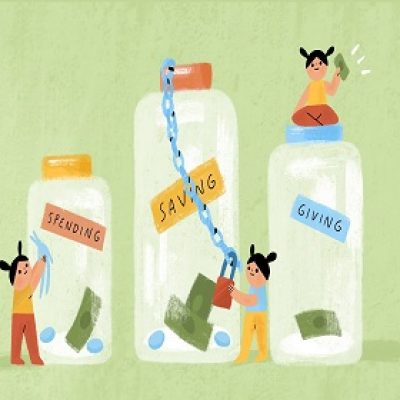
How to set up a sinking fund is one of the simplest ways to stop money stress before it starts. Most families don’t struggle because they spend too much. They struggle because irregular expenses show up at the worst time. Car repairs, school costs, and yearly bills can break even a good budget.
A sinking fund fixes this. It helps you plan ahead and spread costs into small, manageable amounts. You don’t need a high income to make this work.
Here, you’ll learn how to set up a sinking fund step by step, choose the right categories, and stay consistent without feeling overwhelmed. Learning how to set up a sinking fund the right way can completely change how your family handles money.
Most families wait until a bill hits. Smart families prepare before it happens.
What Is a Sinking Fund? (Simple Definition)
A sinking fund is a way to save money for expenses you know are coming in the future. Instead of paying a large amount all at once, you save small amounts over time. This helps families plan ahead, avoid debt, and keep their monthly budget stable.
Common Sinking Fund Examples
- Car repairs and maintenance
- Home repairs
- Insurance premiums
- Holiday and gift spending
- School expenses
- Medical and dental costs
- Appliance replacement
- Vacation savings
Sinking Fund vs Emergency Fund (Key Differences Explained)
A sinking fund is used for planned expenses you can predict, while an emergency fund is for unexpected situations. Both protect your finances, but they serve different roles. Using them correctly helps you avoid debt and keeps your budget steady, even when life gets expensive.
Quick Comparison
- Sinking fund: planned, expected expenses
- Emergency fund: unexpected, urgent situations
- Sinking fund: used regularly throughout the year
- Emergency fund: used rarely, only when needed
Simple Examples
- Sinking fund: car tires, school fees, holidays
- Emergency fund: job loss, medical emergency, sudden home damage
Why Sinking Funds Matter for Families (Real Benefits)
Sinking funds help families stay in control of their money by spreading large expenses over time. Instead of dealing with surprise bills, you plan ahead and save in small amounts. This reduces stress, keeps your budget stable, and helps you avoid debt even if your income is low or inconsistent.
Key Benefits
- Avoid credit card debt
- Reduce financial stress
- Keep your monthly budget predictable
- Prepare for real-life expenses
- Build strong money habits over time
What Happens Without a Sinking Fund
- You rely on credit cards for sudden expenses
- Your budget breaks when irregular bills show up
- Savings get wiped out quickly
- Financial stress keeps repeating every few months
Most families struggle financially not because they don’t earn enough, but because they don’t plan for irregular expenses.
Best Sinking Fund Categories for Families
Choosing the right sinking fund categories helps you cover the expenses that usually break your budget. Start with common, predictable costs that come up every year. You don’t need many categories at first. Focus on the ones that cause the most stress, even if your income is low or unstable.
Essential Categories to Start With
- Car repairs and maintenance
- Home repairs and maintenance
- Holiday and gift spending
- Insurance payments
- School and education expenses
Advanced Categories (Add Later)
- Vacation fund
- Medical and dental expenses
- Electronics replacement
- Clothing fund
- Kids activities and hobbies
How to Set Up a Sinking Fund (Step-by-Step Guide)
Setting up a sinking fund is simple when you follow clear steps. You identify future expenses, break them into small monthly amounts, and save consistently. This system works for any income level and helps families stay prepared without feeling overwhelmed or falling into debt. This is the exact system most families use when learning how to set up a sinking fund that actually works.
Step-by-Step System
- List upcoming expenses
- Think of yearly, seasonal, and irregular costs
- Check past spending if needed
- Estimate total cost
- Use rough numbers if exact amounts are unknown
- It’s better to estimate than ignore
- Set a deadline
- When will you need the money?
- This decides how fast you save
- Calculate monthly amount
- Divide total cost by months remaining
- Keep the number realistic
- Choose where to store the money
- Separate it from daily spending
- Use accounts, apps, or a sinking fund spreadsheet
- Automate contributions
- Set transfers on payday
- Even small amounts work
- Track progress monthly
- Review and adjust if needed
- Stay consistent, not perfect
In simple terms, a sinking fund helps you save small amounts over time for future expenses.
How to Calculate Your Sinking Fund Amount (Simple Formula)
To calculate your sinking fund, divide the total cost of an expense by the number of months until you need the money. This gives you a clear monthly savings target. It keeps your budget balanced and makes large expenses easier to handle without stress.
Example Calculation
- Expense: $600 car repair
- Time left: 12 months
- Monthly saving: $600 ÷ 12 = $50
Quick Formula
- Total amount ÷ number of months = monthly contribution
Extra Tips to Make It Work
- Round up your monthly amount to stay safe
- Start early to reduce pressure
- Adjust if your timeline changes
- If money is tight, extend the timeline instead of quitting
You don’t need a high income to make this system work.
Where to Keep Your Sinking Funds (Best Options)
Where you keep your sinking fund matters. The goal is simple: keep this money separate so you don’t spend it by mistake. You don’t need anything complicated. Just choose a system that is easy to manage and fits your daily routine.
Best Storage Options
- Savings account
- Bank sub-accounts or “buckets”
- Budgeting apps with savings goals
- Cash envelope system
- Sinking fund spreadsheet
What Works Best for Most Families
- Use a separate savings account for safety
- Label each fund clearly (car, holidays, etc.)
- Keep it out of your main spending account
Simple Rule
If it’s easy to spend, you’ll spend it.
If it’s slightly harder to access, you’ll save it.
Best Tools to Track Sinking Funds (Simple and Practical)
Tracking your sinking funds helps you stay consistent and avoid confusion. You need a simple system where you can see how much you’ve saved and what’s left. The best tool is the one you will actually use every month without overthinking it.
Using the right tools makes it easier to stay consistent when learning how to set up a sinking fund.
Popular Tools
- Google Sheets sinking fund spreadsheet
- Budget planner or notebook
- Printable sinking fund tracker
- Budget binder system
- Savings apps with goal tracking
- Bank apps with labeled savings buckets
What to Look For in a Tool
- Easy to update in under 5 minutes
- Clear categories and balances
- Works on your phone or laptop
- Doesn’t feel complicated
Simple Setup Tip
Start with one spreadsheet or one app.
Don’t switch tools often. Consistency matters more than perfection.
Smart Money-Saving Tips for Sinking Funds
Small changes can make your sinking funds grow faster without putting pressure on your budget. You don’t need big income jumps. You need simple habits that work every month, even if your budget is tight or unpredictable.
Practical Tips
- Start small and stay consistent
- Automate your savings right after payday
- Use extra money like bonuses or side income
- Round up leftover money at the end of the week
- Cut one small expense and redirect it to a sinking fund
- Increase contributions when income improves
- Review your funds monthly and adjust
Simple Mindset Shift
You’re not “saving extra.”
You’re preparing for expenses that will happen anyway.
That shift makes it easier to stay consistent.
Common Sinking Fund Mistakes to Avoid
Sinking funds are simple, but small mistakes can slow you down or make you quit. Most problems come from overcomplicating the system or setting unrealistic expectations. Keep it simple, stay consistent, and adjust when needed.
Mistakes to Watch
- Creating too many funds at once
- Setting savings amounts too high
- Forgetting irregular expenses
- Mixing sinking fund money with daily spending
- Skipping contributions when things get tight
- Not reviewing or adjusting your plan
What to Do Instead
- Start with 2–3 important categories
- Use realistic monthly amounts
- Keep funds separate from spending money
- Stay consistent, even with small contributions
- Adjust your plan instead of quitting
Why Most Sinking Funds Fail (And How to Fix It)
Most sinking funds fail because families make the system too complicated or unrealistic. The problem is not the idea. The problem is how it’s applied.
Why They Fail
- People guess numbers instead of calculating
- Too many categories at once
- They stop when income gets tight
- No clear tracking system
How to Fix It
- Start with 2–3 sinking funds only
- Use simple math for exact amounts
- Keep your system easy to manage
- Stay consistent, even with small amounts
👉 Simple systems always win over perfect ones.
Real-Life Sinking Fund Example (Family Budget Breakdown)
A real example makes sinking funds easier to understand. When you see how small monthly amounts add up, it becomes clear why this system works. Even a simple setup can cover major yearly expenses without stress or debt.
Example Breakdown
- Car repairs fund: $50 per month
- Holiday fund: $40 per month
- Home maintenance fund: $60 per month
- School expenses fund: $25 per month
Total monthly saving: $175
What Happens After 12 Months
- Car repairs: $600 saved
- Holidays: $480 saved
- Home maintenance: $720 saved
- School expenses: $300 saved
Instead of scrambling for money, everything is already planned and paid for.
Why This Works
- Large expenses feel smaller
- Budget stays stable all year
- No need to rely on credit cards
- Less stress when bills arrive
In simple terms, a sinking fund helps you save small amounts over time for future expenses.
How Sinking Funds Help You Build Long-Term Financial Stability
Sinking funds do more than cover planned expenses. They help you take control of your money, avoid debt, and build consistent financial habits. Over time, this creates stability and reduces stress, even if your income is low or changes month to month.
Long-Term Benefits
- Better control over your budget
- Less reliance on credit cards and loans
- Stronger and more consistent saving habits
- Protection for your emergency fund
- More confidence when handling money
Why This Matters
Most financial stress comes from poor planning, not low income.
Sinking funds fix that by turning future problems into planned expenses.
This is how families move from reacting to money… to controlling it.
What is a sinking fund in simple terms?
A sinking fund is a savings method where you set aside money regularly for planned future expenses. Instead of paying a large bill at once, you save small amounts over time.
This helps you avoid debt and keep your budget stable.
How many sinking funds should I have?
Most families should start with 2–3 sinking funds. Focus on the most important expenses first, like car repairs or annual bills.
You can add more once your system feels easy to manage.
Can I start a sinking fund with low income?
Yes, you can start a sinking fund with low income. Even small amounts saved consistently can cover future expenses and reduce financial stress.
This works well for families living paycheck to paycheck.
Should I keep sinking funds separate?
Yes, sinking funds should be kept separate from your main spending account. This helps you avoid accidental spending and keeps your budget organized.
You can use savings accounts, apps, or separate categories.
Is a sinking fund better than an emergency fund?
A sinking fund is not better than an emergency fund because they serve different purposes. A sinking fund is for planned expenses, while an emergency fund is for unexpected situations.
You need both for a complete financial plan.
Conclusion: Start Your Sinking Fund Today (Before the Next Bill Hits)
A sinking fund is one of the simplest ways to take control of your money. Instead of reacting to bills, you plan for them. That shift changes everything. Your budget stays steady. Stress goes down. And you stop relying on debt for things you knew were coming.
You don’t need a perfect system to start. You don’t need a high income either. Start with one sinking fund. Pick the expense that always catches you off guard. Set a small monthly amount and automate it.
That’s it.
Small steps now prevent big money problems later. Start your sinking fund today and give your budget the stability it needs. Now you know exactly how to set up a sinking fund and make it work long term. Most families react to money problems. You’re now in a position to prevent them.