Last Updated on March 13, 2026 by Gil
How to use a meal planner printable is a question many busy families ask when weekly meals start feeling chaotic. Between work, school, and rising grocery prices, deciding what to cook every day can become stressful. A meal planner printable gives families a simple system to organize meals, plan groceries, and reduce food waste.
With a clear weekly plan, dinner becomes easier and shopping becomes faster. Here, you’ll learn smart ways to use a meal planner printable, simple planning strategies, and practical tips that help families save time and grocery money every week.
What Is a Meal Planner Printable?
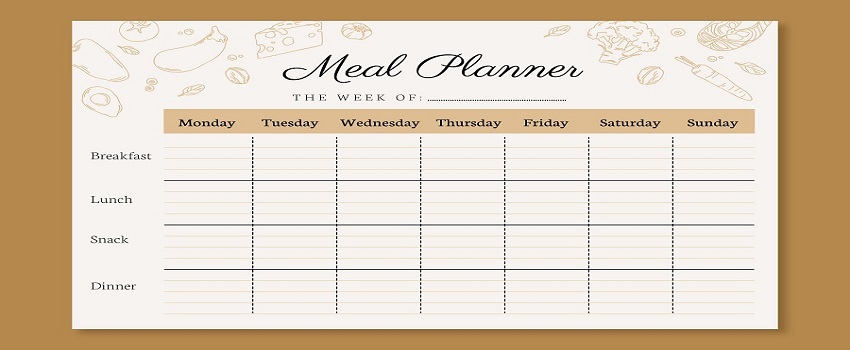
A meal planner printable is a simple planning sheet used to organize meals for a specific period, usually a week or a month. Families use a meal planner printable to write down breakfast, lunch, dinner, and snacks so meals are planned in advance. This helps reduce daily stress, organize grocery shopping, and avoid last-minute food decisions.
Common Types of Meal Planner Printables
- Weekly meal planner printable
The most popular option. It lets families plan meals for seven days and create a matching grocery list. - Monthly meal planner printable
Useful for long-term planning. Families can schedule repeating meals and track food spending across the month. - Meal prep planner printable
Designed for people who cook meals ahead of time. It includes space for prep days and batch cooking plans. - Family meal planner printable
Built for busy households. It often includes sections for dinners, lunches, snacks, and grocery lists. - Dinner planner printable
Focuses only on dinner planning. This works well for families who already manage breakfast and lunch routines.
A good meal planner printable gives families a simple system to organize meals, reduce grocery trips, and keep weekly cooking predictable.
Why Families Use a Meal Planner Printable
A meal planner printable helps families organize meals before the week begins. Instead of deciding what to cook every evening, meals are already written down and ingredients are planned ahead. This simple system reduces stress, saves time during busy days, and helps families manage grocery spending more effectively.
Key Benefits Families Notice
- Less daily stress
When meals are planned in advance, there’s no last-minute rush to figure out dinner. - Lower grocery bills
Planning meals around a grocery list helps families avoid impulse purchases. - Less food waste
Ingredients are used intentionally instead of sitting unused in the fridge. - Faster grocery shopping
A clear meal plan turns into a simple grocery list. - Healthier meals at home
Planning ahead makes it easier to include balanced meals and vegetables.
Practical Examples
- Busy weekday planning
Families plan quick meals like pasta, tacos, or stir-fry for school nights. - Leftover planning
Extra dinner portions become lunch the next day. - Theme night planning
Taco Tuesday or pasta night makes meal planning easier.
Using a meal planner printable creates structure for family meals. Once the system becomes a habit, planning the week’s food takes only a few minutes but saves hours of stress later.
17 Smart Ways to Use a Meal Planner Printable
Using a meal planner printable becomes powerful when families use it for more than just writing dinner ideas. A well-used planner helps organize groceries, prep meals, track leftovers, and simplify weekly routines. These smart strategies turn a basic weekly meal planner printable into a system that saves time and grocery money.
Best Ways Families Use a Meal Planner Printable
- Plan dinners first
Start with dinner because it’s usually the most complicated meal of the day. - Schedule quick meals for busy nights
Use the planner to place easy dinners on nights with sports, homework, or activities. - Use leftovers intentionally
Plan extra portions so one dinner becomes lunch the next day. - Create theme nights
Examples include Taco Tuesday, Pasta Night, or Slow Cooker Sunday. - Rotate family favorite meals
Keep a list of meals your family loves and rotate them through your weekly planner. - Plan meals around grocery sales
Look at weekly store ads and add meals that use discounted ingredients. - Schedule meal prep days
Use your planner to mark days for chopping vegetables or cooking ingredients ahead. - Track pantry ingredients
Plan meals that use food already in your pantry or freezer. - Organize breakfast and lunch ideas
A meal planner printable helps prevent repetitive or rushed morning meals. - Add snack planning
Writing snacks on the planner helps avoid unnecessary grocery spending. - Balance meals during the week
Alternate heavier meals with lighter ones so the week feels balanced. - Plan slow cooker meals for busy days
These meals cook while the family is away. - Include one simple “backup meal”
A backup option like sandwiches or pasta helps when plans change. - Plan one leftover night
This reduces food waste and gives families a break from cooking. - Track new recipes
Add a new meal occasionally to keep the menu interesting. - Coordinate meals with grocery shopping day
Plan meals so fresh ingredients are used early in the week. - Keep the planner visible in the kitchen
Placing the meal planner printable on the fridge helps everyone follow the plan.
Using these strategies makes a weekly meal planner printable more than a simple worksheet. It becomes a practical system that keeps family meals organized and predictable.
How to Start Using a Meal Planner Printable (Step-by-Step)
Starting with a meal planner printable is simple when you follow a clear routine. Instead of guessing meals every day, you create a weekly system that organizes cooking, groceries, and prep time. Once the habit forms, most families can plan their entire week of meals in just 15–20 minutes.
Steps to Start Meal Planning
- Print your meal planner printable
Choose a weekly layout and keep it somewhere visible like the refrigerator or a kitchen board. - Check your pantry and fridge
Look for ingredients you already have. Planning meals around these items prevents food waste. - Choose meals for the week
Start with dinners, then add breakfast, lunch, and snacks if your planner includes those sections. - Write meals on each day
Fill in the planner with simple meals that match your weekly schedule. - Create a grocery list from the plan
Write down the ingredients needed for each meal. - Schedule meal prep if needed
Choose one day to chop vegetables, cook grains, or prepare ingredients. - Adjust during the week
If plans change, swap meals around or use leftovers.
Following these steps turns a weekly meal planner printable into a reliable routine that saves time and keeps meals organized.
Money-Saving Tips When Using a Meal Planner Printable
A meal planner printable is not just about organizing meals. It also helps families control grocery spending and avoid wasted food. When meals are planned ahead, shopping becomes more intentional and fewer items are thrown away. Over time, this simple habit can noticeably reduce weekly grocery costs.
Smart Ways to Save Money With Meal Planning
- Plan meals around ingredients you already have
Check your pantry and freezer before writing your weekly meal plan. - Use store sales to guide your meals
If chicken or vegetables are discounted, plan meals that use those ingredients. - Buy ingredients that work in multiple meals
For example, cooked chicken can be used in salads, wraps, and pasta. - Schedule one leftover night each week
This prevents extra food from being wasted. - Keep meals simple during busy weeks
Simple meals often require fewer ingredients and cost less. - Avoid last-minute takeout
A written meal plan helps families stick to home-cooked meals.
Simple Budget-Friendly Meal Planning Ideas
- Plan at least two low-cost meals each week such as pasta, rice bowls, or soups.
- Use frozen vegetables when fresh produce is expensive.
- Choose one batch-cooked meal that lasts for multiple days.
- Rotate affordable staples like beans, eggs, potatoes, and rice.
Using a weekly meal planner printable with these habits helps families spend less on groceries while still enjoying balanced meals.
Why a Meal Planner Printable Works for Busy Families
A meal planner printable works well because it removes daily decision-making about food. When meals are planned ahead, families spend less time thinking about what to cook and more time enjoying dinner together. This simple system brings structure to weekly meals and makes grocery shopping faster and more organized.
Benefits Families Notice
- Less stress during busy evenings
Dinner is already planned, so there is no last-minute scrambling. - Better time management
Cooking becomes predictable because meals and prep days are scheduled. - More consistent home-cooked meals
Families rely less on takeout when meals are already planned. - Improved grocery organization
A meal plan makes it easier to shop once instead of making multiple trips. - Reduced food waste
Ingredients are used intentionally rather than forgotten in the fridge.
Why Meal Planning Builds Better Habits
- Families develop a routine around cooking and grocery shopping.
- Children become familiar with weekly meal traditions.
- Grocery spending becomes easier to track.
- Planning meals encourages healthier food choices.
Over time, using a meal planner printable turns meal planning into a simple weekly habit that saves both time and money.
How do you use a meal planner printable?
Using a meal planner printable starts with choosing meals for the week and writing them into the planner. After the meals are listed, create a grocery list based on the ingredients needed. Keep the planner visible in the kitchen so the family can follow the plan throughout the week.
What should a meal planner include?
A good meal planner printable usually includes spaces for breakfast, lunch, dinner, and snacks. Many planners also include a grocery list section and notes area so families can track ingredients, leftovers, or meal prep tasks.
Is a weekly or monthly meal planner better?
Most families prefer a weekly meal planner printable because it offers flexibility. Weekly plans are easier to adjust if schedules change, while monthly planners work better for long-term meal rotation.
Can a meal planner printable help save money?
Yes. A meal planner printable helps families create a clear grocery list and avoid impulse purchases. Planning meals also reduces food waste because ingredients are used intentionally.
Where should I keep my meal planner printable?
The best place is somewhere visible, such as the refrigerator, a kitchen wall board, or a family planning binder. Keeping the meal planner printable visible helps everyone in the household follow the meal plan.
How long does meal planning take each week?
Most families spend about 15 to 20 minutes filling out a weekly meal planner printable. Once the habit develops, the process becomes quick and easy.
Learning how to use a meal planner printable can make weekly meals far easier for busy families. Instead of deciding what to cook every day, a simple plan keeps meals organized, groceries predictable, and cooking less stressful. Over time, this habit helps families save money, waste less food, and spend less time worrying about dinner.
Start simple. Print a weekly meal planner printable, choose a few meals your family already enjoys, and write them into the week ahead. As the routine becomes familiar, meal planning will feel natural and your kitchen routine will become much easier to manage.