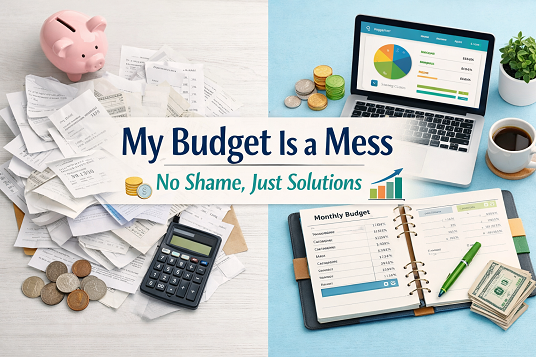
Money stress is real. Bills pile up, unexpected expenses hit, and suddenly your budget feels impossible to manage. It’s normal. Life changes, and your budget has to keep up.
This post isn’t about guilt. It’s about solutions. You’ll see why budgets fail, the latest strategies people use to fix them, practical tools, and easy ways to track progress. By the end, you’ll have a plan to take control—without feeling overwhelmed.
Why Budgets Get Messy
Even when you try your best, budgets go off track. Here’s why:
- Unexpected expenses: Car repairs, medical bills, or home emergencies.
- Income changes: Pay cuts, irregular hours, or family shifts.
- Seasonal costs: Holidays, school fees, and travel.
- No system to track money: If you don’t know where it goes, it disappears.
Understanding why your budget is messy is the first step to fixing it.
Latest Budgeting Strategies
Budgets work best when they adapt. These methods help:
- Zero-based budgeting: Every dollar gets a job. No leftover cash wandering.
- 50/30/20 rule: 50% needs, 30% wants, 20% savings. Simple, clear, and flexible.
- Envelope system: Physical or digital envelopes for categories like groceries and fun money.
- Emergency fund first: Small steps add up. Even $50 a month makes a difference.
- Pay-yourself-first savings: Treat saving like a non-negotiable bill.
Tools That Make Budgeting Easier
Technology can simplify messy finances. Here’s what works:
- Budgeting apps: Track spending automatically and give alerts.
- Spreadsheets & templates: Customize them to your family’s needs.
- Alerts for bills & subscriptions: Avoid late fees or forgotten payments.
- Shared family tools: Keep everyone on the same page, from kids to partners.
Tracking Progress
A budget isn’t set-and-forget. Check in regularly:
- Weekly reviews: Quick check to see if spending aligns with plan.
- Monthly reports: Compare actual spending to your budget.
- Focus on key categories: Groceries, utilities, fun money.
- Adjust when needed: Budgets must adapt to life changes.
Tracking keeps control in your hands and helps prevent overspending.
Real Family Examples
Seeing others’ success makes it easier to start:
- Single-income household: Zero-based budgeting can cover every expense.
- Couple with debt: Focus on high-interest debts first and track every dollar.
- Parent with irregular income: Save a buffer, track weekly, and plan for variability.
- Student budget: Cut non-essential spending, focus on essentials, and build small savings.
These examples show that no matter your situation, messy budgets can be fixed.
Conclusion
Messy budgets don’t mean failure. They mean opportunity. Life changes, and your budget should too. Pick one strategy today, try a tool that works for you, track your spending, and slowly gain control.
Start now. Pick one step, follow through for a month, and watch your budget transform. Small consistent actions beat perfect plans every time.
My budget is a mess—where do I start?
Start by tracking all your income and expenses for at least a week. Identify where money is leaking and pick one simple strategy like the 50/30/20 rule or zero-based budgeting to regain control.
How can I fix a budget with irregular income?
Focus on your minimum monthly expenses first. Build a small emergency fund, track your spending weekly, and adjust your budget as income comes in.
What’s the easiest budgeting method for beginners?
The 50/30/20 rule is simple and effective. Allocate 50% to needs, 30% to wants, and 20% to savings or debt. It’s flexible enough for most families.
Are budgeting apps worth it?
Yes. Apps like Mint or YNAB can automate tracking, alert you to overspending, and help visualize where your money goes, making messy budgets manageable.
How do I stick to my budget without feeling restricted?
Plan for “fun money” and small treats. Review your progress weekly and adjust categories when needed. Tracking progress regularly prevents guilt and keeps motivation high.
Can a budget really help families save more money?
Absolutely. A clear budget identifies waste, prioritizes savings, and makes sure every dollar has a purpose. Even small adjustments add up over time.
How often should I review my budget?
Weekly check-ins for quick adjustments and monthly reviews for a bigger picture work best. Life changes, so your budget should too.