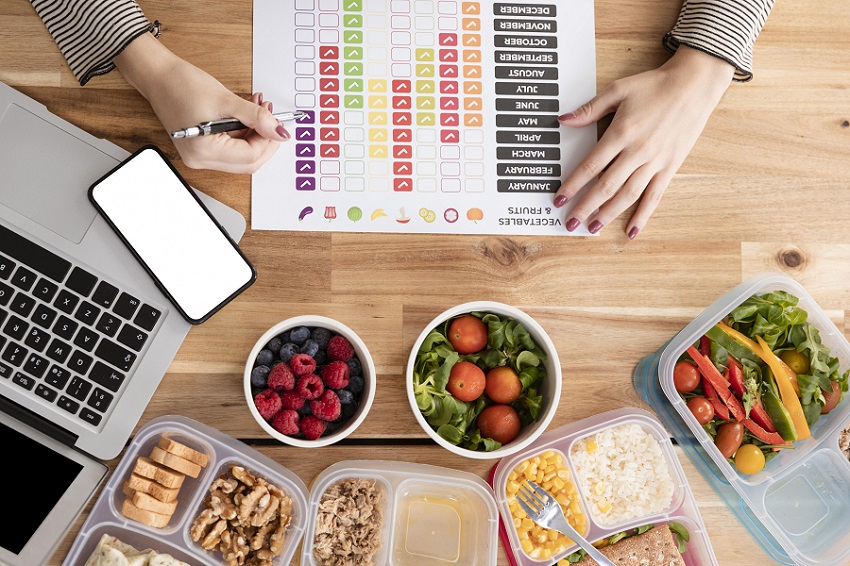

Food waste is a huge problem for families. It’s not just money down the drain—it’s time wasted and extra stress in the kitchen. Meal planning is one of the simplest ways to fix it. With a little planning, you can save money, use ingredients before they spoil, and make family mealtime smoother.
Why Food Waste Matters
Most households throw away more food than they realize. Fruits, vegetables, dairy, and leftovers often end up in the trash.
- Wasted food costs families hundreds of dollars each year.
- It contributes to environmental problems like methane in landfills.
- Reducing waste saves money and helps the planet.
Even small changes, like planning meals around what you already have, make a big difference.
How Meal Planning Helps
Meal planning stops food from going bad before you can eat it. It also:
- Lets you buy only what you need.
- Uses leftovers in creative ways.
- Helps you make balanced meals without extra trips to the store.
Families who plan meals find they spend less time in the kitchen and waste less food overall.
Step‑by‑Step Meal Planning
Here’s a simple way to start reducing waste with meal planning:
- Check your fridge and pantry – know what you already have.
- Plan meals around expiring items – eat foods before they go bad.
- Make a shopping list – only buy what you need for the week.
- Batch cook – freeze or store extras for later.
- Reuse leftovers – turn dinner scraps into lunch or new meals.
Even doing one or two of these steps can cut your food waste in half.
Tools and Trends
Technology can make meal planning easier:
- Apps – track what’s in your fridge and suggest recipes.
- Smart fridges – some show expiration dates and suggest meals.
- Family calendars – share meal plans so everyone knows what’s for dinner.
These tools help you plan better and reduce guesswork.
Examples That Work
Here’s a sample week to show how meal planning reduces waste:
- Monday – Pasta with leftover vegetables from Sunday.
- Tuesday – Stir-fry using fresh and leftover ingredients.
- Wednesday – Soup using freezer ingredients.
- Thursday – Chicken salad with leftover roast chicken.
- Friday – Taco night with any leftover vegetables or beans.
This approach keeps meals varied and ensures nothing goes to waste.
Summary
Reducing food waste is simple if you plan meals. It saves money, reduces stress, and helps the environment. Start small: check your fridge, make a plan, and reuse leftovers. Over time, meal planning will become second nature and your family will benefit.
Start your weekly meal plan today. You’ll save money, cut waste, and make mealtime easier.
What is the easiest way to start meal planning to reduce food waste?
Start by checking what’s already in your fridge and pantry. Plan meals around those items first, then make a shopping list for what’s missing. Even small steps help.
How often should I plan meals?
Once a week is enough for most families. You can adjust daily if needed, but a weekly plan helps you see what ingredients to use before they spoil.
Can leftovers really help reduce food waste?
Yes. Leftovers can be turned into lunches or new dinners. Batch cooking and freezing also keeps food from going bad.
Are there tools that help track food waste?
Yes. Meal planning apps, smart fridge features, and simple inventory apps help track what you have and what’s expiring.
How much money can meal planning save?
It varies, but families can save hundreds of dollars a year by reducing food waste and avoiding extra grocery trips.
What foods are most commonly wasted?
Fresh produce, dairy, bread, and leftovers are the most commonly wasted items. Planning meals around them prevents waste.
Is meal planning time-consuming?
It takes a little effort at first, but once you have a routine, it becomes fast and easy. Even 20–30 minutes a week can save time later.
How can kids help with reducing food waste?
Kids can help by choosing meals, packing leftovers for lunch, or keeping track of what’s in the fridge. It teaches responsibility and reduces waste.