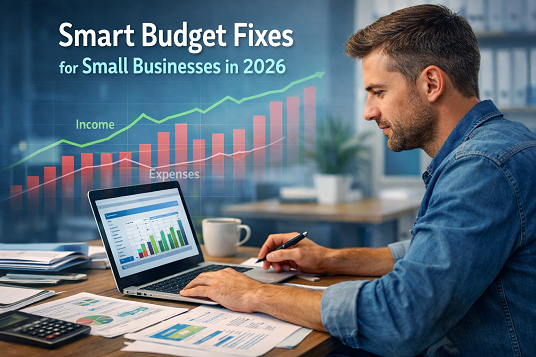
Small businesses often struggle to balance growth with expenses. A broken business budget can stall progress and create stress for owners and families alike. In 2026, budgets must be flexible, data-driven, and realistic to keep a business on track. Here’s how to fix your budget with proven strategies and real examples.
Understanding a Broken Business Budget
A broken business budget happens when your planning no longer reflects reality. It can be caused by inaccurate forecasting, overspending, or unclear expense tracking.
Common signs of a broken budget:
- Spending more than expected in multiple areas
- No clear picture of where money goes
- Cash flow problems or surprise shortfalls
- Budget plans that are impossible to follow
Mini Case Study:
Sarah owns a small catering business. She noticed she was always short on cash before large events. After reviewing her budget, she realized she wasn’t accounting for small recurring expenses like cleaning supplies and delivery fees. Fixing these categories stopped the surprises and improved cash flow.
Why Budgets Must Evolve in 2026
Business costs and market trends change fast. Budgets that worked last year may not work today.
Key changes to consider:
- Real-time budget tracking to spot problems quickly
- Automated tools that forecast expenses and revenue
- Cloud-based systems for team collaboration
- Integration with banking, payroll, and accounting tools
Mini Case Study:
A small digital marketing agency started using cloud-based software with real-time expense tracking. They immediately noticed overspending on software subscriptions and cut costs by 20% in one month.
Steps to Fix a Broken Business Budget
Fixing your budget requires clarity and practical steps.
How to repair your budget:
- Audit current spending and income to see where money is going
- Reclassify expenses to understand cost categories clearly
- Set realistic revenue and expense forecasts based on actual trends
- Build contingency funds for unexpected costs
- Review and adjust the budget weekly, not just monthly
Mini Case Study:
Tom runs a small retail shop. By reviewing his budget weekly, he spotted a drop in sales and adjusted inventory purchases before losing money. This simple habit saved him thousands over the year.
Tools to Improve Budget Accuracy
The right tools make budgeting faster and more accurate.
Helpful tools include:
- Spreadsheet templates for simple tracking
- Accounting software with budget features
- AI forecasting and expense tracking apps
- Mobile apps for monitoring budgets on the go
Mini Case Study:
Lily, a freelance graphic designer, used a mobile budgeting app to track her project expenses. She found that travel and software costs were eating into profits. After adjusting her rates and cutting unnecessary subscriptions, her monthly income improved significantly.
Common Budget Mistakes to Avoid
Even after fixing a budget, some mistakes can derail it.
Mistakes to watch for:
- Ignoring recurring small expenses
- Failing to update the budget after changes in income or costs
- Overcomplicating categories instead of keeping it simple
- Budgeting without real data to guide decisions
Mini Case Study:
A local coffee shop owner grouped all overhead costs together. This made it hard to see where money was going. Breaking down the categories into rent, utilities, and supplies gave clear insights, allowing smarter decisions on pricing and cost-cutting.
The Impact on Business and Family
A broken budget doesn’t just hurt business. For small business owners, personal finances are often linked to business performance. Fixing a budget ensures:
- Steady cash flow for operations
- Better financial decisions for growth
- Reduced stress on family finances
- More accurate planning for future investments
Mini Case Study:
Mark, a small landscaping business owner, mixed personal and business expenses. After separating them and creating a proper business budget, he was able to save for family emergencies while growing his business at the same time.
Conclusion
Small businesses in 2026 face changing costs and growing competition. A broken business budget can hold you back, but smart fixes, clear tracking, and practical tools can restore control. Audit your spending, adjust your categories, and review your budget weekly.
Take a closer look at your budget this week. Pick one fix or tool from these examples and implement it today. Even small changes can create major results.
What is a broken business budget?
A broken business budget happens when your spending plan no longer matches your actual income and expenses. It can lead to cash flow problems, overspending, and financial stress.
How do I know if my business budget is broken?
Signs include frequent overspending, unclear expense tracking, surprise cash shortages, and budget goals that feel impossible to meet.
What are the best tools to fix a small business budget?
Spreadsheet templates, accounting software, AI forecasting apps, and mobile budgeting apps can all help track expenses, predict costs, and improve accuracy.
How often should I review my business budget?
Weekly reviews are ideal. This helps spot issues early, adjust spending, and make informed financial decisions.
Can fixing my business budget also help my personal finances?
Yes. Clear separation of business and personal expenses reduces stress, ensures steady cash flow, and allows better planning for family needs.
What common mistakes should I avoid when budgeting?
Avoid ignoring small recurring expenses, overcomplicating categories, budgeting without real data, and failing to update the budget after changes in income or costs.
How can small businesses adapt their budget for 2026 trends?
Use real-time tracking, cloud-based tools, AI forecasting, and integrate budgets with banking and payroll systems to stay agile and prevent overspending.
Is it worth hiring a professional to fix my business budget?
For complex businesses, a financial advisor can help identify hidden costs, optimize cash flow, and set realistic forecasts, making it a worthwhile investment.