
Things frugal families never waste money on are often everyday purchases that quietly drain the household budget. From unused subscriptions to food that ends up in the trash, these expenses can add up without improving family life. Frugal living does not mean giving up everything you enjoy. It means spending wisely, choosing better alternatives, and keeping more money for important goals. Here are 21 common expenses frugal families avoid, along with practical ways to cut costs without making family life harder.
What Does It Mean to Be Frugal?
Being frugal means making thoughtful spending decisions and getting good value from your money. Frugal families distinguish between necessary expenses, meaningful purchases, and wasteful spending. They do not always choose the cheapest option. Instead, they focus on quality, usefulness, and long-term savings.
The Principles of Frugal Spending
- Buy what your family actually needs.
- Compare prices before making larger purchases.
- Avoid paying repeatedly for things you rarely use.
- Choose durable products when they offer better long-term value.
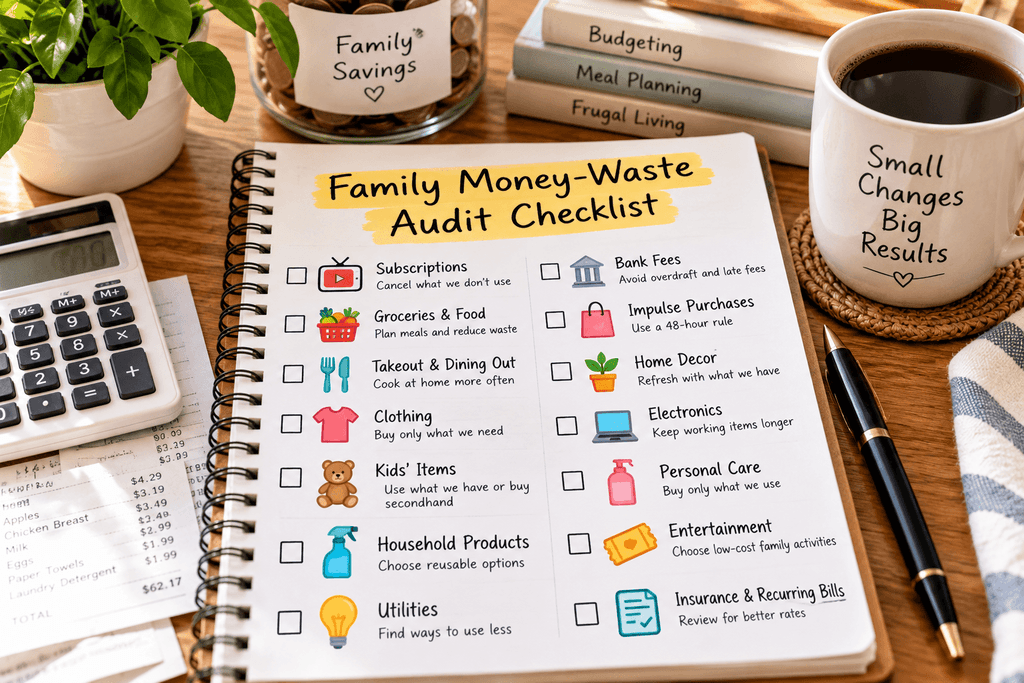
1. Everyday and Grocery Expenses Frugal Families Avoid
Frugal families reduce everyday expenses by planning meals, using what they already own, and avoiding unnecessary convenience costs. Since groceries and household basics are purchased regularly, small changes in these categories can create meaningful savings over time.
Common Expenses to Stop Wasting Money On
- Food waste: Plan meals, freeze leftovers, and use older ingredients first.
- Takeout meals: Keep quick pantry meals available for busy evenings.
- Bottled water: Use a reusable bottle when safe drinking water is available.
- Brand-name basics: Compare store-brand products and unit prices.
- Impulse grocery purchases: Shop with a list and avoid buying items just because they are on sale.
2. Household, Kids, and Monthly Expenses
Frugal families avoid spending on household products, children’s items, and recurring services that provide little value. They reuse what they own, buy secondhand when practical, and review monthly bills to find expenses that can be reduced or eliminated.
What They Choose Not to Buy
- Unused subscriptions: Cancel streaming services and apps you rarely use.
- Trendy kids’ clothes: Choose practical basics, hand-me-downs, and secondhand clothing.
- Too many toys: Rotate existing toys instead of constantly buying new ones.
- Unnecessary home decor: Refresh your space using items you already own.
- Unneeded upgrades: Keep working appliances, furniture, and electronics until replacement makes sense.
- Late fees: Use reminders and automatic payments where appropriate.
- Expensive convenience products: Compare reusable alternatives before buying disposable supplies.
3. How to Stop Wasting Money as a Family
The easiest way to reduce wasteful spending is to identify expenses you regret and replace them with better choices. Frugal families make gradual changes instead of trying to cut every nonessential expense at once. This approach makes saving money easier to maintain.
Four Steps to Get Started
- Review your spending. Check the last 30 days of bank statements and receipts.
- Find three money leaks. Look for unused subscriptions, food waste, unnecessary fees, or frequent impulse purchases.
- Choose cheaper alternatives. Replace expensive habits with practical options rather than simply removing everything enjoyable.
- Save the difference. Move the money you save toward emergency savings, debt repayment, or another family goal.
4. Simple Habits That Help Frugal Families Save More
Consistent habits make frugal living easier because they reduce unnecessary spending before it happens. Families can save money by planning purchases, checking what they already own, and giving themselves time to consider nonessential purchases.
- Use a waiting rule: Wait 48 hours before buying something you do not need immediately.
- Check unit prices: Compare the cost per ounce, pound, or item rather than relying on package size.
- Plan for upcoming costs: Set aside money for birthdays, school supplies, holidays, and car maintenance.
What do frugal families never buy?
Frugal families often avoid unnecessary subscriptions, overpriced convenience foods, duplicate household items, impulse purchases, and products they will rarely use. They consider whether an item offers enough value before spending money on it.
How can a family stop wasting money every month?
Review recurring bills, plan meals, reduce food waste, compare prices, and limit impulse shopping. Start with expenses that occur every month because reducing them can produce ongoing savings.
Can frugal living save a family thousands of dollars?
It can, depending on the family’s spending habits. For example, reducing expenses by $150 per month saves $1,800 over a year. The actual savings depend on which costs can realistically be reduced.
Final Thoughts
Things frugal families never waste money on are often purchases that add little value, create unnecessary fees, or could be replaced with cheaper alternatives. You do not need to change every spending habit overnight. Start with one expense you regret paying for, find a practical replacement, and put the savings toward something that matters to your family.
Choose one unnecessary expense to cut this week and make your first step toward a stronger family budget.