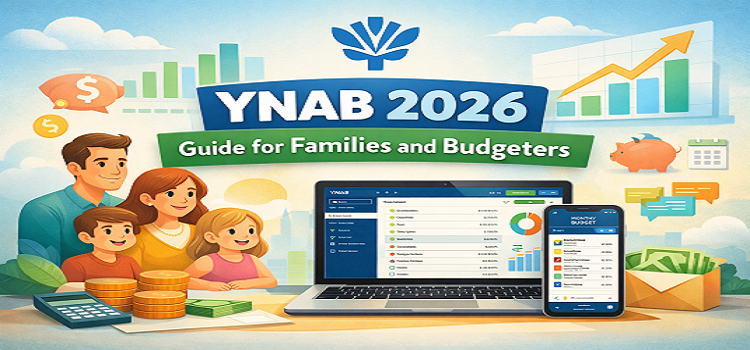
YNAB Review 2026 is more important than ever as families face rising costs and tighter budgets. Most people try budgeting apps and quit within weeks. Not because they don’t work, but because they don’t fit real life. This is where YNAB is different. Many budgeting apps promise results, but most fail when real life gets messy. That’s where YNAB stands out. It focuses on giving every dollar a clear job and building habits that actually last.
Here, you’ll see what changed in 2026, how it works for families, and whether it’s worth paying for. By the end, you’ll know if YNAB can help you take control of your money—even if your income is low or unpredictable.
What Is YNAB and How Does It Work in 2026?
YNAB is a zero-based budgeting app that helps you assign every dollar a job, plan future expenses, and stay in control of your money. In 2026, it combines simple rules with real-time tracking and shared budgets, making it easier for families to manage daily spending and long-term goals.
How YNAB Works (Simple Breakdown)
| Step | What You Do | Why It Matters |
|---|---|---|
| 1 | Add your income | Know exactly what money you have |
| 2 | Create categories | Plan where your money goes |
| 3 | Assign every dollar | Avoid random spending |
| 4 | Track expenses | Stay aware of your habits |
| 5 | Adjust when needed | Stay flexible in real life |
This works for families living paycheck to paycheck because you only budget money you already have. You don’t need a high income to start. You need a plan. This system forces you to plan before spending. That’s why it works better than apps that only track after the fact.
The 4 Rules of YNAB
- Give every dollar a job
You assign all your money to categories like rent, groceries, or savings. - Embrace true expenses
Plan for non-monthly costs like car repairs or school fees. - Roll with the punches
If you overspend, adjust another category instead of quitting. - Age your money
Use last month’s income for this month’s expenses.
These rules are simple, but they change how you think about money. And that’s the real reason YNAB works for families living paycheck to paycheck.
What’s New in YNAB 2026 (Latest Updates That Matter)
YNAB 2026 brings smarter automation, faster performance, and better tools for families managing money together. The updates focus on saving time, improving clarity, and making budgeting easier to stick with—even if your income is low or unstable.
Key Updates in 2026
- Smarter Bank Syncing
Transactions import faster and with fewer errors, so you spend less time fixing data. - Improved Reports Dashboard
New charts make it easier to see where your money goes and how your habits change over time. - Faster Mobile Experience
The app feels smoother and loads quicker, which matters for daily use. - Shared Family Budgets
Multiple users can update the same budget in real time without confusion. - Better Goal Tracking
You can set clearer targets for savings, bills, and long-term plans.
Before vs After (What Actually Improved)
| Feature | Before 2026 | YNAB 2026 |
|---|---|---|
| Bank Sync | Slower, occasional delays | Faster and more reliable |
| Reports | Basic visuals | Clear, detailed insights |
| Mobile App | Good but limited | Faster and easier to use |
| Family Access | Limited sharing | Real-time collaboration |
| Goal Tracking | Simple targets | More flexible and detailed |
What These Updates Mean for Families
- Less time managing the app
- More clarity on spending habits
- Easier teamwork between partners
- Better planning for irregular expenses
Most budgeting apps add features that look good but don’t change behavior. YNAB 2026 focuses on things that actually help families stick to a budget long term.
These updates matter more if your income is unstable or expenses change often. The less time you spend fixing your budget, the more likely you are to stick with it.
Who Should Use YNAB in 2026?
YNAB works best for people who want full control over their money, not just tracking. It’s built for families and individuals who are ready to plan ahead, adjust when things change, and stay consistent. In 2026, it’s especially useful for households dealing with rising costs and uneven income.
Best Use Cases
- Families living paycheck to paycheck
- Couples managing shared finances
- Beginners who want a clear system
- People trying to stop overspending
- Anyone with irregular income
This works for families who need structure, even if income is low or unstable.
Who YNAB Is Perfect For vs Not Ideal For
| Type of User | Is YNAB a Good Fit? | Why |
|---|---|---|
| Families | ✅ Yes | Shared budgets + planning ahead |
| Couples | ✅ Yes | Real-time collaboration |
| Beginners | ✅ Yes | Simple rules, strong system |
| Irregular income earners | ✅ Yes | Flexible budgeting method |
| Passive users | ❌ No | Requires active involvement |
| Free-tool seekers | ❌ No | Paid subscription |
Who Should Avoid YNAB
- People who want everything automated
- Users who won’t check their budget regularly
- Anyone looking for a completely free solution
YNAB is not a “set it and forget it” app. It works when you use it. But if you stick with it, it can completely change how you manage money.
This is exactly why many families switch after trying free apps that never really fix their spending habits.
YNAB Pricing 2026 (Is It Worth the Cost?)
YNAB uses a simple subscription model. You pay monthly or yearly to access all features. In 2026, the focus is not on being the cheapest app, but on helping you save more than you spend. For many families, the value comes from better decisions, not just the tool itself.
The real cost isn’t the subscription. It’s staying stuck in the same spending cycle month after month.
Pricing Breakdown
| Plan | Cost | Best For |
|---|---|---|
| Monthly | $14.99 | Testing short-term |
| Yearly | $99 | Long-term users (better value) |
| Free Trial | 34 days | Trying before committing |
What You Actually Get
- Full access to all features
- Bank syncing and real-time tracking
- Shared budgets for families
- Goal tracking and reports
- Mobile and desktop access
There are no locked features behind higher tiers. You get everything with one plan.
Cost vs Value (Real Talk)
| Scenario | Without YNAB | With YNAB |
|---|---|---|
| Overspending | Common | Controlled |
| Missed bills | Happens often | Planned ahead |
| Savings | Inconsistent | Built into budget |
| Financial stress | High | Lower over time |
Is YNAB Worth It in 2026?
If you won’t use it, no. It’s a waste of money.
But if you actually follow the system, it can save you far more than it costs. Many families recover the yearly fee just by cutting small, unnecessary expenses.
You don’t need a high income to make this work. You need consistency.
YNAB vs Other Budgeting Tools (What Most Reviews Miss)
Most budgeting apps track what you already spent. YNAB focuses on planning before you spend. That’s the key difference. In 2026, this gap matters more because families need control, not just reports. Here’s how YNAB compares to popular alternatives.
Comparison Table (2026)
| Feature | YNAB | Mint | EveryDollar | Personal Capital |
|---|---|---|---|---|
| Budgeting Style | Proactive (plan ahead) | Passive (track spending) | Zero-based (basic) | Tracking & investing |
| Automation | Medium | High | Medium | High |
| Goal Planning | Strong | Weak | Medium | Medium |
| Shared Budgets | Yes | No | No | No |
| Reports | Advanced | Basic | Basic | Advanced |
| Price | Paid | Free | Free/Paid | Free |
YNAB vs Mint
- Mint is easier to start
- YNAB gives more control
- Mint tracks spending
- YNAB helps you plan spending
Mint works if you just want to see where money went. YNAB works if you want to change where money goes.
YNAB vs EveryDollar
- Both use zero-based budgeting
- EveryDollar is simpler
- YNAB is more flexible and detailed
- YNAB has better reporting and shared features
EveryDollar is easier at first. YNAB is stronger long term.
YNAB vs Other Tools
- Most apps focus on automation
- YNAB focuses on behavior
- Others show data
- YNAB forces decisions
What Most Reviews Get Wrong
- They focus too much on price
- They ignore behavior change
- They compare features, not results
The truth is simple. Free apps save you time. YNAB helps you save money.
Real Pros and Cons of YNAB in 2026
YNAB gives strong control over your money and helps build long-term habits. But it’s not perfect. It takes effort to learn and use. In 2026, it’s one of the most effective budgeting tools—but only if you stay consistent.
Pros
- Full control over every dollar
- Helps break the paycheck-to-paycheck cycle
- Strong goal tracking and planning
- Real-time syncing for families
- Clear reports that show spending habits
- Works even if your income is low or unstable
Cons
- Learning curve for beginners
- Requires regular use (not passive)
- Monthly or yearly cost
- Some manual adjustments still needed
Pros vs Cons (Quick View)
| Pros | Cons |
|---|---|
| Strong budgeting system | Takes time to learn |
| Helps build habits | Not fully automated |
| Great for families | Paid subscription |
| Clear financial visibility | Needs consistency |
Which App Actually Saves You More Money?
YNAB helps you decide before you spend. Most other apps only show what already happened.
- Tracking apps = awareness
- YNAB = behavior change
This is why many users see real savings within the first 30 days.
Honest Take
If you want something easy, YNAB will feel hard.
If you want something that works, YNAB is one of the best options in 2026.
Most people quit too early. The ones who stick with it usually see real results.
How to Start Using YNAB (Step-by-Step for Beginners)
Getting started with YNAB is simple, but you need to follow the process. The goal is to assign every dollar, track spending, and adjust as life happens. You don’t need a high income to start. You just need consistency and a clear plan.
Step-by-Step Setup
- Create Your Account
Sign up and start the free trial. No need to overthink this step. - Link Your Bank Accounts
Connect accounts or add balances manually if you prefer control. - Create Budget Categories
Add categories like rent, groceries, bills, savings, and fun money. - Assign Every Dollar
Take the money you have right now and give each dollar a job. - Track Every Expense
Log spending daily or let transactions import automatically. - Adjust When Needed
Overspent? Move money from another category. Stay flexible. - Review Weekly
Spend 10–15 minutes checking your budget and fixing issues.
Simple Budget Setup Example
| Category | Budgeted | Spent | Remaining |
|---|---|---|---|
| Rent | $800 | $800 | $0 |
| Groceries | $300 | $220 | $80 |
| Utilities | $150 | $120 | $30 |
| Savings | $200 | $200 | $0 |
| Fun Money | $100 | $60 | $40 |
Beginner Tips That Make It Easier
- Start simple. Don’t create too many categories
- Focus on your current money, not future income
- Check your budget daily for the first 2 weeks
- Don’t aim for perfect—aim for consistent
What Most Beginners Get Wrong
- Trying to plan the whole year at once
- Ignoring small expenses
- Not updating the budget regularly
- Quitting after the first mistake
YNAB works when you stay engaged. Even small daily actions can completely change how you manage money over time.
Money-Saving Tips Using YNAB (That Actually Work)
YNAB helps you save money by making every decision visible. Instead of guessing where your money went, you plan where it should go. In 2026, this matters more as costs keep rising. These simple strategies work for families living paycheck to paycheck.
Practical Money-Saving Tips
- Track every expense, even small ones
- Plan for irregular bills like repairs or school costs
- Cut unused subscriptions quickly
- Use sinking funds for future expenses
- Adjust your budget weekly, not monthly
- Set clear savings goals for each category
Example: Small Changes That Save Big
| Expense | Before YNAB | After YNAB | Monthly Savings |
|---|---|---|---|
| Subscriptions | $50 | $20 | $30 |
| Eating Out | $200 | $120 | $80 |
| Impulse Spending | $150 | $60 | $90 |
| Utilities | $180 | $150 | $30 |
| Total Saved | — | — | $230/month |
Smart Habits That Build Savings
- Check Before You Spend
Always look at your category first, not your bank balance. - Give Extra Income a Job
Bonuses or side income should go to savings or debt, not random spending. - Use Weekly Budget Checks
Fix problems early instead of waiting until the end of the month.
Why These Tips Work
- You stop guessing and start planning
- You see where money leaks happen
- You make better decisions in real time
This works even if your income is low or unstable. The goal isn’t to earn more first—it’s to use what you already have better.
Real Example: How a Family Budget Changes with YNAB
| Category | Before YNAB | After YNAB |
|---|---|---|
| Groceries | $400 | $280 |
| Eating Out | $250 | $120 |
| Subscriptions | $60 | $25 |
| Savings | $0 | $300 |
Most families don’t realize how much they’re overspending until they see it clearly. This is where real change starts.
Why YNAB Works (Behavior + Psychology Behind It)
YNAB works because it changes how you think about money, not just how you track it. Instead of reacting after spending, you plan before it happens. This shift builds awareness, control, and better habits over time—something most budgeting apps fail to do.
Key Benefits of the YNAB Method
- You become intentional with every dollar
- You reduce financial stress over time
- You stop relying on guesswork
- You build long-term saving habits
- You gain confidence in money decisions
Behavior Shift: Before vs After YNAB
| Situation | Before YNAB | After YNAB |
|---|---|---|
| Spending | Reactive | Planned |
| Savings | Leftover money | Priority first |
| Bills | Last-minute stress | Already prepared |
| Mindset | “Do I have enough?” | “What is this for?” |
Why It Works for Families
- Clear Communication
Everyone sees the same budget, reducing confusion and conflict. - Shared Goals
Families can plan together for savings, bills, and future needs. - Less Financial Stress
Knowing where money goes removes uncertainty. - Better Habits for Kids
It teaches real-life money skills early.
This is the point where most people either quit or finally take control. The difference is consistency.
The Real Reason Most People Succeed with YNAB
It forces you to face your money decisions daily.
That might feel uncomfortable at first, but it’s what creates real change. Most apps hide the problem. YNAB makes it visible—and that’s why it works long term.
Common Mistakes to Avoid with YNAB
Many people try YNAB and quit too early. Not because the app doesn’t work, but because they use it the wrong way. In 2026, most failures come from skipping the basics or expecting automation. Avoid these mistakes if you want real results.
Biggest Mistakes Beginners Make
- Not Assigning Every Dollar
Leaving money unassigned leads to random spending and confusion. - Relying Only on Bank Balance
Your bank balance doesn’t show what money is for. Your budget does. - Not Updating the Budget Regularly
If you don’t track spending, your budget becomes useless. - Trying to Be Perfect
Mistakes happen. The system works when you adjust, not quit. - Ignoring Small Expenses
Small daily spending adds up fast and breaks your plan.
Mistake vs Fix (Quick Table)
| Mistake | What Happens | Simple Fix |
|---|---|---|
| Skip assigning money | Overspending | Assign every dollar immediately |
| Don’t track expenses | Budget becomes inaccurate | Track daily or sync transactions |
| Ignore categories | Confusion | Check before spending |
| Quit early | No results | Stick for at least 30 days |
Simple Rules to Stay on Track
- Check your budget before spending
- Review your plan weekly
- Adjust categories when life changes
- Focus on progress, not perfection
Honest Truth
Most people don’t fail because of YNAB.
They fail because they stop using it.
If you stay consistent—even for a few weeks—you’ll start seeing control you didn’t have before.
How much money can you save with YNAB?
Most users report saving money within the first month by cutting unnecessary spending and planning ahead. The exact amount depends on habits, but even small changes often lead to noticeable results quickly.
Is YNAB worth it in 2026?
YNAB is worth it if you actually use it. It helps you plan spending, avoid mistakes, and build savings. Many families recover the cost just by cutting waste. If you want a system that changes behavior, not just tracks money, it delivers real value.
Is YNAB good for beginners?
Yes, but expect a short learning phase. The four-rule system is simple, but it takes a few weeks to get used to. Once you understand it, budgeting becomes easier and more structured, even if you’ve never managed money before.
Can YNAB replace Mint?
Yes, but it depends on what you want. Mint focuses on tracking past spending. YNAB focuses on planning future spending. If your goal is control and better habits, YNAB is a stronger replacement.
Does YNAB really save money?
Yes, because it forces you to plan before spending. You see exactly where your money goes and make better decisions. Most users save money by cutting unnecessary expenses and preparing for bills instead of reacting late.
How long does it take to learn YNAB?
Most people need about 2 to 4 weeks to feel comfortable. The first week feels slow, but after that, the process becomes routine. The key is to use it daily, even for a few minutes.
Is YNAB better than Excel budgeting?
YNAB is easier to use and more practical for daily life. Excel requires manual setup and constant updates. YNAB automates tracking, provides clear categories, and helps you stay consistent without extra work.
Can couples use YNAB together?
Yes. YNAB allows shared budgets where both partners can track spending, adjust categories, and plan together in real time. This makes it one of the best tools for couples managing money as a team.
Does YNAB work for irregular income?
Yes, and this is where it shines. You only budget money you already have, which makes it easier to manage fluctuating income. It helps you prioritize essentials and stay stable even when income changes.
Final Verdict: Is YNAB Worth It in 2026?
YNAB is worth it for families and budgeters who want control, not just tracking. It’s not the easiest app, but it’s one of the most effective. If you stay consistent, it can change how you handle money completely.
Who Should Start Today
- Families trying to manage rising costs
- People stuck in the paycheck-to-paycheck cycle
- Beginners who want a proven system
- Anyone serious about improving their finances
Conclusion
YNAB 2026 is not just another budgeting app. It’s a system that helps you take control of your money, plan ahead, and reduce stress over time.
If you’ve tried budgeting before and nothing worked, this is where things usually change.
Start today. Set up your budget, assign your first dollars, and build a system that actually works for your family.