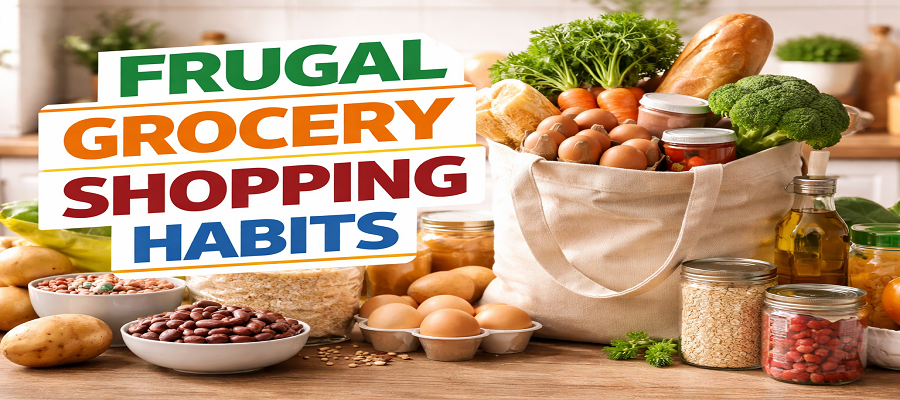
Frugal grocery shopping habits help families reduce food costs without sacrificing healthy meals. Grocery prices keep rising, but small changes in how you plan, shop, and store food can dramatically lower your weekly grocery bill. Many families overspend simply because they shop without a strategy. The good news is that a few simple habits can quickly change that. By planning meals, buying smarter, and avoiding common grocery store traps, families can save hundreds of dollars every month while still keeping their kitchen stocked with nutritious food.
What Are Frugal Grocery Shopping Habits?
Frugal grocery shopping habits are simple routines that help families spend less on groceries while still buying healthy food. These habits focus on planning meals, sticking to a grocery list, choosing affordable ingredients, and avoiding food waste. When practiced every week, they reduce impulse spending and help families control their grocery budget.
Key Examples of Frugal Grocery Shopping Habits
- Plan meals before going to the store.
- Create a grocery list and follow it strictly.
- Choose store brands instead of expensive name brands.
- Compare unit prices to find the best value.
- Buy versatile ingredients that work in multiple meals.
- Shop weekly sales and discounts.
- Freeze leftovers and extra ingredients to prevent waste.
These habits create a system that keeps grocery spending predictable and manageable.
Food savings are central to smart frugal living tips for families
Why Grocery Bills Keep Increasing for Families
Grocery bills keep increasing for many families because of rising food prices and common shopping mistakes. Inflation raises the cost of everyday foods, but habits like impulse buying, shopping without a list, and wasting food also push grocery spending higher. Understanding these causes helps families take control of their grocery budget and reduce unnecessary expenses.
Common Reasons Families Overspend on Groceries
- Shopping without a meal plan
Buying groceries without knowing what meals to cook often leads to unnecessary purchases. - Impulse buying in the store
End-of-aisle displays and promotions encourage shoppers to buy items they didn’t plan to purchase. - Choosing convenience foods
Pre-cut vegetables, ready meals, and packaged snacks cost more than basic ingredients. - Ignoring unit prices
Many shoppers pick larger packages thinking they are cheaper when smaller options may cost less per unit. - Food waste at home
Fruits, vegetables, and leftovers often spoil before they are used, which means money is thrown away.
When families recognize these spending traps, it becomes easier to replace them with smarter grocery shopping habits.
The Grocery Budget System That Prevents Overspending
A grocery budget system helps families control food spending by setting a clear weekly or monthly limit before shopping. Instead of guessing how much to spend, this system creates structure and accountability. When families track grocery purchases and follow a fixed budget, they avoid impulse buying and keep their food expenses predictable.
Steps to Create a Simple Grocery Budget
- Calculate your monthly grocery spending
Look at past receipts or bank statements to see how much your family usually spends. - Set a realistic monthly grocery limit
Choose a budget that fits your income and family size. - Divide the budget into weekly amounts
Breaking the budget into weekly limits makes it easier to control spending. - Track every grocery purchase
Keep receipts or track spending using a simple note or budgeting app. - Adjust your budget when needed
If food prices rise or family needs change, update your grocery budget accordingly.
A clear grocery budget helps families shop with purpose and prevents overspending at the store.
To improve results, combine this with how to create a family budget binder.
How Meal Planning Habits Cut Grocery Costs
Meal planning habits cut grocery costs by helping families decide what to cook before they shop. When meals are planned in advance, shoppers buy only the ingredients they need. This reduces impulse purchases, prevents food waste, and makes grocery spending easier to control each week.
Best Meal Planning Habits for Saving Money
- Plan meals for the entire week
Write down breakfast, lunch, and dinner ideas before making your grocery list. - Use ingredients in multiple meals
Choose recipes that use the same ingredients so nothing goes to waste. - Schedule leftover nights
Plan one night each week to eat leftovers instead of cooking a new meal. - Check your pantry before shopping
Use ingredients you already have at home before buying more. - Choose simple, budget-friendly meals
Meals built around affordable staples like rice, beans, pasta, and eggs cost less and are easy to prepare.
Meal planning turns grocery shopping into a focused task instead of a guessing game, which helps families consistently spend less on food.
You can go further by applying budget meal planning strategies.
Smart Grocery Store Habits That Save the Most Money
Smart grocery store habits help families avoid impulse purchases and focus only on the items they actually need. Grocery stores are designed to encourage spending, but shoppers who follow simple habits can stay on budget. Small actions inside the store often make the biggest difference in lowering the total grocery bill.
Best Grocery Store Habits to Spend Less
- Always shop with a grocery list
A clear list keeps you focused and prevents unnecessary purchases. - Compare unit prices before choosing products
Checking price per ounce or pound helps you find the best value. - Buy store brands whenever possible
Generic products often cost less but offer the same quality. - Shop weekly sales and discounts
Many stores offer rotating deals that help reduce grocery costs. - Stick to the outer aisles first
Fresh foods like produce, dairy, and eggs are usually located around the edges of the store. - Avoid browsing when you finish shopping
Wandering the aisles often leads to impulse buying.
Following these grocery store habits helps families stay disciplined and keep grocery spending under control.
Cheap Grocery Staples Every Frugal Kitchen Should Stock
Cheap grocery staples are affordable foods that help families cook many meals without spending much money. Stocking these ingredients makes frugal grocery shopping easier because they last longer, work in many recipes, and cost far less than convenience foods. Keeping these staples on hand helps families cook simple meals while staying within their grocery budget.
Best Budget-Friendly Grocery Staples
- Rice
A low-cost staple that works in many meals and feeds a family for very little money. - Beans and Lentils
Excellent sources of protein that are much cheaper than meat. - Pasta
One of the most affordable foods and easy to combine with vegetables or sauces. - Oats
A cheap and filling breakfast option that can also be used in baking. - Eggs
Affordable protein that works for breakfast, lunch, or dinner meals. - Potatoes
Versatile and inexpensive, perfect for soups, sides, and main dishes. - Frozen Vegetables
Usually cheaper than fresh vegetables and last much longer. - Canned Tomatoes
Useful for soups, sauces, and many budget-friendly recipes. - Peanut Butter
Affordable, filling, and easy to use in quick meals and snacks. - Flour and Basic Baking Ingredients
Buying basic ingredients allows families to cook and bake at home for less money.
Keeping these staples in the pantry helps families create affordable meals without constantly buying expensive groceries.
How Smart Families Reduce Food Waste
Reducing food waste is one of the most effective frugal grocery shopping habits because wasted food is wasted money. Many families throw away groceries every week without realizing it. Simple habits like using leftovers, storing food properly, and planning meals around ingredients you already have can significantly reduce waste and lower grocery costs.
Best Habits That Prevent Wasted Groceries
- Use the pantry-first method
Plan meals using ingredients you already have before buying more food. - Freeze extra food and leftovers
Freezing meals or ingredients prevents them from spoiling and allows you to use them later. - Turn leftovers into new meals
Leftover chicken, vegetables, or rice can become soups, stir-fries, or wraps. - Store food properly to extend freshness
Proper storage helps fruits, vegetables, and dairy last longer. - Do a weekly fridge check
Before grocery shopping, check what needs to be used soon and plan meals around it.
These small habits prevent food from being wasted and help families get the most value from every grocery trip.
Tools That Make Frugal Grocery Shopping Easier
Frugal grocery shopping tools help families find better deals, stay organized, and track spending more easily. Using simple tools can make grocery shopping faster and more efficient while helping shoppers stick to their budget. These tools support smart habits like planning, comparing prices, and avoiding duplicate purchases.
Helpful Tools for Saving Money on Groceries
- Digital grocery list apps
These apps help organize shopping lists so you only buy what you need. - Coupon apps and store apps
Many grocery stores offer digital coupons and weekly discounts through their apps. - Cashback reward apps
Some apps return a small percentage of money when you buy certain grocery items. - Price comparison tools
These tools help you quickly check prices between different stores. - Pantry inventory trackers
Keeping track of what you already have prevents buying duplicate items.
Using even one or two of these tools can make frugal grocery shopping habits easier to maintain every week.
Psychology Tricks Grocery Stores Use to Make You Spend More
Grocery stores use psychological strategies to encourage shoppers to spend more money during each visit. These tactics influence buying behavior without most people noticing. Understanding how stores are designed to increase spending helps families stay focused on their grocery list and avoid unnecessary purchases.
Common Grocery Store Tricks to Watch For
- End-cap displays
Products placed at the end of aisles look like deals but are not always the cheapest option. - Eye-level product placement
Expensive brands are often placed at eye level while cheaper options sit on lower shelves. - Oversized shopping carts
Large carts make shoppers feel like they need to fill more space. - Impulse buy sections near checkout
Candy, snacks, and small items are placed here to trigger last-minute purchases. - Store layouts that force longer walking paths
Essential items like milk and bread are usually placed far apart to make shoppers pass more products.
Recognizing these store tactics helps families stay disciplined and stick to their grocery budget.
How to Start Frugal Grocery Shopping Habits (Step-by-Step)
Starting frugal grocery shopping habits is easier when families follow a simple system. Instead of trying many strategies at once, begin with a few small steps that create structure around planning, budgeting, and shopping. When these steps become routine, grocery spending becomes predictable and easier to control.
Steps to Build Frugal Grocery Shopping Habits
- Track your current grocery spending
Look at recent receipts or bank statements to understand how much your family usually spends on food. - Set a weekly grocery budget
Decide on a realistic weekly spending limit based on your household needs. - Plan meals before making a grocery list
Choose simple meals for the week and list only the ingredients required. - Check your pantry and fridge first
Use ingredients you already have before buying more groceries. - Create a clear grocery list and follow it
A list prevents impulse purchases and keeps shopping focused. - Shop once per week whenever possible
Fewer trips to the store reduce the chances of overspending. - Review your results each week
After each grocery trip, check your spending and adjust your plan if needed.
Following these steps helps families gradually develop strong frugal grocery shopping habits that lower food costs over time.
Money-Saving Tips for Frugal Grocery Shopping
Money-saving tips for frugal grocery shopping help families stretch their food budget without sacrificing healthy meals. Small changes in how you choose products, plan meals, and shop sales can make a noticeable difference in your grocery bill. These simple tips work best when combined with consistent grocery shopping habits.
Practical Tips to Lower Your Grocery Bill
- Shop seasonal fruits and vegetables
Produce that is in season usually costs less and tastes better. - Choose whole ingredients instead of processed foods
Basic ingredients like rice, beans, potatoes, and vegetables are cheaper than ready-made meals. - Buy larger packages for foods you use often
Bulk sizes usually offer better value when the food will not spoil. - Cook more meals at home
Preparing food from scratch costs much less than buying prepared foods. - Use leftovers creatively
Turn leftover meat or vegetables into soups, wraps, or stir-fries. - Limit expensive snack foods
Snack items often cost more per serving than simple homemade options. - Compare prices between stores when possible
Different stores may offer better deals on certain items.
These simple tips strengthen frugal grocery shopping habits and help families reduce food spending over time.
Benefits of Frugal Grocery Shopping Habits for Families
Frugal grocery shopping habits help families reduce food expenses while maintaining a healthy and balanced diet. When families consistently plan meals, follow a grocery budget, and avoid waste, they gain better control over their finances. Over time, these habits create long-term savings and make household budgeting much easier.
Key Benefits for Families
- Lower monthly grocery bills
Consistent frugal habits can significantly reduce weekly food spending. - Better control over the family budget
Tracking grocery expenses helps families manage their overall finances more effectively. - Less food waste at home
Planning meals and using leftovers prevents groceries from being thrown away. - Healthier home-cooked meals
Cooking with basic ingredients often leads to healthier meals compared to processed foods. - Reduced financial stress
When grocery spending stays within budget, families feel more confident managing their finances.
Frugal grocery shopping habits are not just about saving money—they also create a more organized and efficient household routine.
What is a good weekly grocery budget for a family?
A reasonable grocery budget depends on family size, but many budgeting guides suggest roughly $50–$75 per week for one person, with higher totals for larger households. Careful meal planning, buying store brands, and choosing basic ingredients can help families stay within this range.
How can I cut my grocery bill quickly?
The fastest way to lower grocery spending is to plan meals before shopping, make a strict grocery list, and avoid convenience foods. Buying store brands and cooking more meals at home can also reduce food costs quickly because basic ingredients are usually cheaper than prepared meals.
Is meal planning really necessary for saving money on groceries?
Yes. Meal planning is one of the most effective ways to control grocery spending because it prevents impulse buying and reduces food waste. Many families notice significant savings when they plan meals and shop with a list instead of buying groceries randomly.
What foods should you buy when grocery shopping on a tight budget?
Budget-friendly foods usually include versatile staples such as rice, beans, pasta, oats, potatoes, eggs, and frozen vegetables. These ingredients are inexpensive, last longer than many fresh foods, and can be used to create many different meals.
How can families reduce food waste to save money?
Families can reduce food waste by planning meals around ingredients they already have, freezing leftovers, and checking the fridge before shopping. Throwing away food is essentially throwing away money, so using what you already bought is one of the easiest ways to lower grocery costs.
Conclusion
Frugal grocery shopping habits help families take control of rising food costs without sacrificing healthy meals. By planning meals, setting a grocery budget, choosing affordable staples, and avoiding impulse purchases, families can dramatically lower their grocery bills. These small habits add up over time and create a simple system that keeps food spending predictable.
Start with just a few habits this week. Plan your meals, make a clear grocery list, and check what you already have before shopping. As these routines become part of your weekly routine, saving money on groceries becomes much easier and your family budget stays on track.