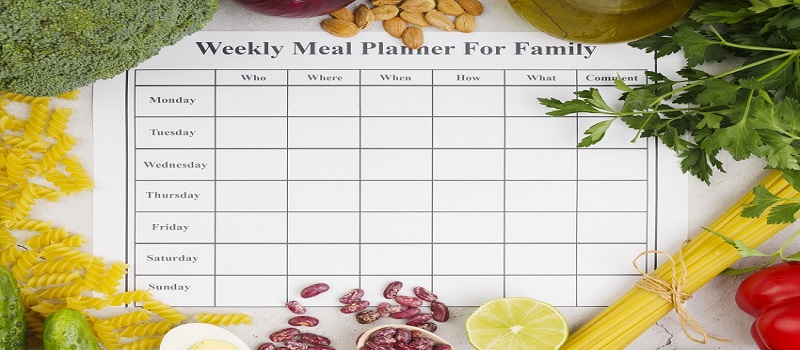
7-Day Healthy Budget Meal Plan ideas can make eating well much easier for families trying to control grocery spending. Rising food prices and busy schedules often make healthy cooking feel difficult.
Many people end up relying on takeout or expensive convenience foods simply because they don’t have a clear plan.
But a simple weekly plan can save money, reduce stress, and make sure your family eats balanced meals every day.
Here, you’ll find a complete 7-day healthy budget meal plan, affordable foods to buy, a simple grocery list, and practical tips to keep meals healthy while staying within your budget.
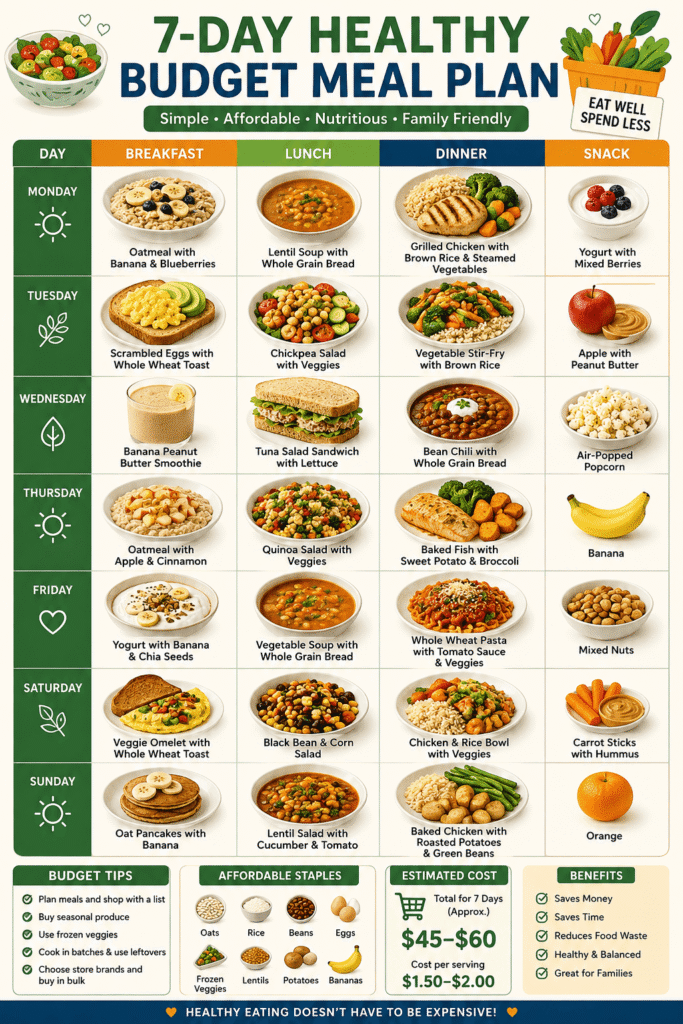
Weekly structure makes cheap healthy meals for families easier to follow.
What Is a 7-Day Healthy Budget Meal Plan
A 7-day healthy budget meal plan is a weekly guide that organizes affordable meals using inexpensive but nutritious foods. It focuses on simple ingredients like grains, beans, vegetables, eggs, and lean proteins. The goal is to help families cook balanced meals for the entire week while keeping grocery spending low.
Why families use weekly meal plans
- Saves money on groceries
- Reduces food waste at home
- Prevents last-minute takeout
- Makes cooking easier during busy weeks
- Keeps meals balanced and nutritious
Cheapest Healthy Foods for Budget Meal Planning
The easiest way to follow a 7-day healthy budget meal plan is to build meals around inexpensive foods that still provide strong nutrition. Many staple ingredients are cheap, versatile, and work in multiple meals throughout the week. Choosing these foods helps families stretch their grocery budget without sacrificing healthy eating.
Best budget foods to include
Oats
Oats are one of the cheapest breakfast foods available. They are high in fiber, filling, and easy to prepare with fruit, yogurt, or nuts.
Lentils
Lentils are affordable and packed with protein and fiber. They cook quickly and work well in soups, stews, salads, and grain bowls.
Beans
Beans are one of the best budget protein sources. They are perfect for chili, tacos, salads, soups, and rice dishes.
Eggs
Eggs provide high-quality protein at a low cost. They are great for breakfast, sandwiches, salads, and quick dinners.
Frozen vegetables
Frozen vegetables are often cheaper than fresh ones and last much longer. They work well in stir-fries, soups, and pasta dishes.
Brown rice
Brown rice is affordable, filling, and pairs well with many meals like stir-fries, curries, and grain bowls.
Potatoes
Potatoes are inexpensive and very versatile. They can be baked, roasted, mashed, or added to soups and stews.
Canned tuna
Canned tuna is an affordable protein that works well for sandwiches, salads, and pasta dishes.
Bananas
Bananas are one of the cheapest fruits and perfect for breakfast, snacks, and smoothies.
Peanut butter
Peanut butter provides healthy fats and protein. It works well for quick breakfasts, snacks, and sandwiches.
Healthy budget meal plans work best when meals include a balance of protein, fiber, vegetables, and whole grains. Combining these foods helps meals feel filling while supporting steady energy throughout the day.
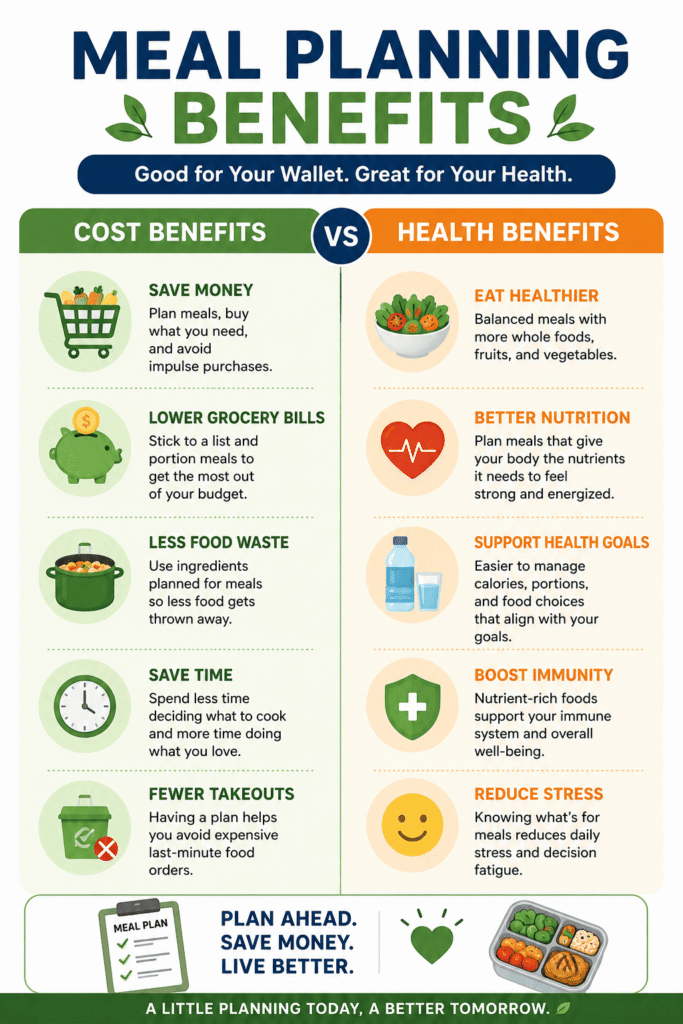
You can organize meals using how to meal plan for a month
Why Healthy Meal Planning Saves More Than Money
A 7-day healthy budget meal plan does more than reduce grocery spending. Planning meals ahead of time can make daily life much less stressful, especially for busy families trying to balance work, school, and home responsibilities.
Knowing what meals are already planned removes the pressure of deciding what to cook every night. It also helps reduce last-minute takeout orders, which are usually far more expensive than home-cooked meals.
Meal planning also reduces food waste because ingredients are purchased with a purpose. Families often throw away less food when meals are planned around ingredients that can be reused throughout the week.
Over time, a healthy meal plan can improve eating habits, simplify grocery shopping, and make healthy eating feel much more manageable.
Cheap Healthy Staples That Stretch Your Grocery Budget
Building a 7-day healthy budget meal plan around affordable staple foods helps keep meals nutritious while lowering grocery costs. Many inexpensive foods work across multiple meals and provide important nutrients like protein, fiber, and healthy carbohydrates.
| Food | Why It’s Budget Friendly | Best Uses |
|---|---|---|
| Oats | inexpensive and filling | breakfast, smoothies |
| Lentils | high in protein and fiber | soups, stews, salads |
| Brown rice | stretches meals easily | bowls, stir-fries |
| Eggs | low-cost protein source | breakfast, sandwiches |
| Frozen vegetables | less waste and long shelf life | stir-fries, pasta |
| Beans | affordable and versatile | tacos, soups, salads |
| Potatoes | filling and inexpensive | roasted meals, sides |
| Peanut butter | affordable healthy fats and protein | snacks, toast |
| Bananas | one of the cheapest fruits | breakfast, smoothies |
| Canned tuna | inexpensive protein option | sandwiches, salads |
Using these staple foods consistently helps families create affordable meals without sacrificing nutrition.
How to Build a Healthy Budget Meal Plan for the Week
A 7-day healthy budget meal plan works best when meals are simple, affordable, and easy to prepare. Planning before you shop helps you control grocery spending and avoid buying unnecessary ingredients. The goal is to create balanced meals while using foods that work across several recipes.
Steps to plan affordable weekly meals
Choose simple meals
Pick recipes that use a few ingredients and basic cooking methods. Simple meals are usually cheaper and faster to prepare.
Reuse ingredients across meals
Using the same ingredients in several dishes reduces waste and keeps grocery costs low. For example, rice, beans, or roasted vegetables can appear in multiple meals.
Include vegetables in every meal
Vegetables add nutrients, fiber, and flavor without increasing the cost too much. Frozen vegetables are often a budget-friendly option.
Plan breakfasts and snacks
Breakfast and snacks are often forgotten when planning meals. Include easy options like oatmeal, fruit, yogurt, or peanut butter toast.
Cook meals that create leftovers
Meals like soups, stews, and casseroles can provide extra servings for lunch the next day, saving both time and money.
Nutritional Benefits of This 7-Day Healthy Budget Meal Plan
A 7-day healthy budget meal plan should not only save money but also provide balanced nutrition throughout the week. The meals in this plan include a mix of protein, fiber, healthy fats, and complex carbohydrates that help support energy and fullness.
Fiber-rich foods
Foods like oats, beans, lentils, vegetables, and whole grains provide fiber that supports digestion and helps meals feel more filling.
Affordable protein sources
Eggs, chicken, lentils, yogurt, beans, tofu, and canned tuna provide protein without dramatically increasing grocery costs.
Balanced carbohydrates
Brown rice, potatoes, oats, and whole-grain pasta provide steady energy and help make meals satisfying.
Healthy fats
Foods like peanut butter, avocado, nuts, and olive oil add healthy fats that support balanced nutrition.
Combining these foods helps families maintain healthy eating habits while following a realistic grocery budget.
Complete 7-Day Healthy Budget Meal Plan
This 7-day healthy budget meal plan focuses on simple meals made with affordable ingredients. Each day includes breakfast, lunch, dinner, and a snack so families can eat balanced meals without overspending on groceries.
Day 1
Breakfast: oatmeal with banana and cinnamon
Lunch: lentil soup with whole-grain bread
Dinner: baked chicken with roasted carrots and brown rice
Snack: apple slices with peanut butter
Day 2
Breakfast: yogurt with granola and berries
Lunch: chickpea and cucumber salad with lemon dressing
Dinner: vegetable stir-fry with tofu and noodles
Snack: carrot sticks with hummus
Day 3
Breakfast: fruit smoothie with spinach and banana
Lunch: turkey and vegetable wrap with whole-grain tortilla
Dinner: baked salmon with steamed broccoli and sweet potato
Snack: a handful of almonds
Day 4
Breakfast: scrambled eggs with spinach and toast
Lunch: black bean and corn salad with lime dressing
Dinner: whole-wheat pasta with tomato sauce and roasted vegetables
Snack: cottage cheese with pineapple
Day 5
Breakfast: oatmeal with strawberries and chia seeds
Lunch: tuna salad sandwich with lettuce
Dinner: chicken vegetable stir-fry with brown rice
Snack: celery sticks with peanut butter
Day 6
Breakfast: smoothie bowl with granola and sliced kiwi
Lunch: lentil and vegetable stew
Dinner: baked fish with roasted zucchini and quinoa
Snack: yogurt with honey
Day 7
Breakfast: avocado toast with a poached egg
Lunch: chickpea and spinach curry with brown rice
Dinner: turkey meatballs with roasted vegetables
Snack: mixed fruit salad
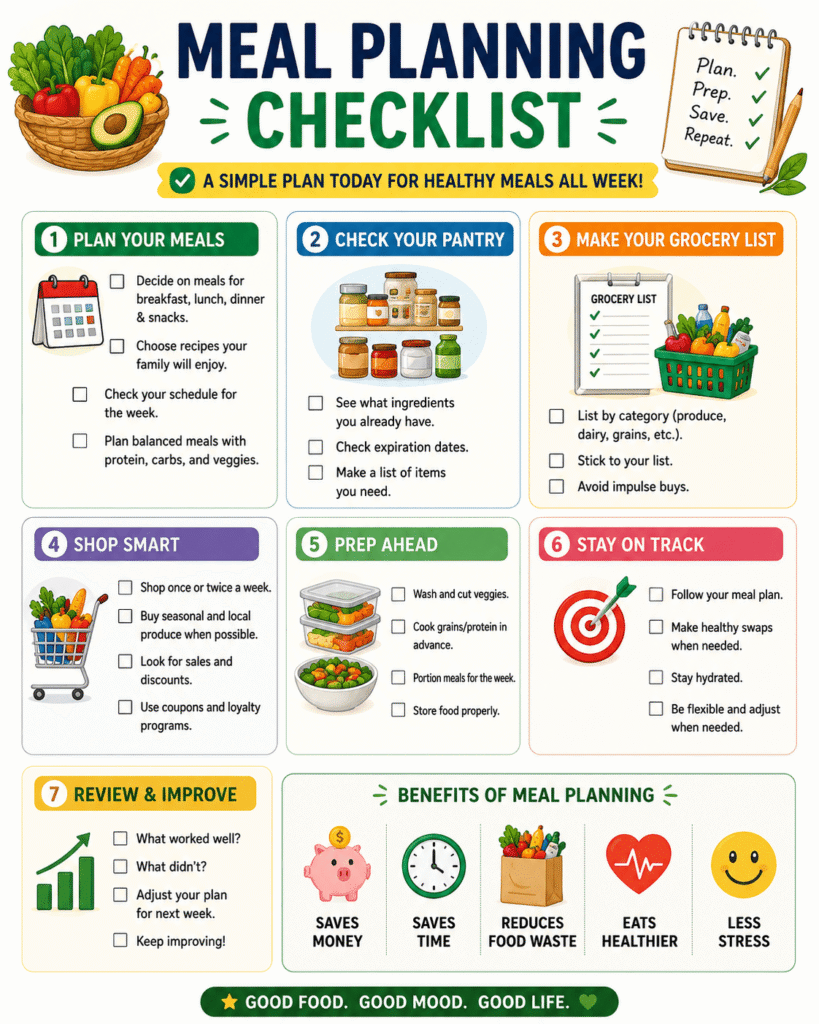
For ingredient savings, apply how to save money on groceries
Weekly Grocery List for the 7-Day Healthy Budget Meal Plan
A clear shopping list makes a 7-day healthy budget meal plan easier to follow. It helps you buy only what you need and prevents impulse purchases at the store. Many of the ingredients below are affordable staples that work in multiple meals throughout the week.
Pantry staples
- Oats
- Brown rice
- Quinoa
- Whole-wheat pasta
- Canned beans
- Lentils
- Peanut butter
- Olive oil
- Basic spices and seasonings
Fresh produce
- Bananas
- Apples
- Berries
- Spinach
- Broccoli
- Carrots
- Potatoes
- Sweet potatoes
- Onions
- Zucchini
Protein foods
- Eggs
- Chicken
- Canned tuna
- Tofu
- Yogurt
- Turkey
Buying these ingredients once allows you to prepare the full 7-day healthy budget meal plan while keeping grocery spending under control.
Estimated Cost of the Weekly Meal Plan
One of the biggest advantages of a 7-day healthy budget meal plan is controlling grocery spending. When meals are planned ahead and built around affordable staples, the total weekly cost can stay much lower than frequent takeout or convenience foods.
Estimated cost per day
- Breakfast: usually the cheapest meal when using foods like oats, eggs, yogurt, or fruit.
- Lunch: simple meals such as salads, wraps, or soups help keep midday meals affordable.
- Dinner: Dinners with grains, vegetables, and moderate portions of protein provide balanced nutrition without raising costs too much.
- Snacks: fruit, yogurt, or peanut butter snacks are inexpensive and filling.
How to reduce costs even more
- Buy store brands instead of name brands
- Choose seasonal fruits and vegetables
- Use frozen vegetables when fresh produce is expensive
- Cook larger portions and save leftovers for lunch
- Buy grains, beans, and oats in bulk when possible
Following a 7-day healthy budget meal plan with these strategies helps families maintain healthy eating habits while keeping grocery costs manageable.
1-Hour Sunday Meal Prep Plan
A 7-day healthy budget meal plan becomes much easier when some food is prepared in advance. Spending about one hour prepping ingredients on the weekend can save time during busy weekdays and make cooking faster.
Simple weekly prep routine
Cook grains ahead of time
Prepare a large batch of brown rice, quinoa, or other grains. Store them in the refrigerator so they are ready for quick meals throughout the week.
Chop vegetables
Wash and chop vegetables like carrots, onions, broccoli, and peppers. Keeping them ready to use makes cooking much faster.
Prepare proteins
Cook proteins such as chicken, lentils, or beans in advance. These can be added to salads, wraps, or dinner dishes during the week.
Portion snacks
Divide snacks like fruit, nuts, or yogurt into containers. This makes healthy snacks easy to grab during the day.
Store ingredients properly
Use airtight containers to keep prepped ingredients fresh. Label containers if needed so meals stay organized throughout the week.
Simple Weekly Meal Planning Routine
A simple routine makes a 7-day healthy budget meal plan easier to follow every week. Breaking meal planning into small steps helps reduce stress and keeps grocery shopping organized.
Saturday: check ingredients and choose meals
- Check pantry staples already at home
- Look for ingredients that need to be used first
- Choose simple meals for the upcoming week
Sunday: grocery shopping and meal prep
- Shop with a grocery list
- Prepare grains and proteins ahead of time
- Chop vegetables for faster cooking
- Portion snacks into containers
Weekdays: quick meal assembly
- Use prepped ingredients for faster meals
- Reuse leftovers for lunches
- Keep meals simple during busy evenings
Following a routine like this helps families stay consistent with healthy eating while spending less time cooking each day.
Best Foods to Buy Frozen vs Fresh
Choosing when to buy frozen or fresh foods can help lower grocery spending while reducing waste.
Best foods to buy frozen
- Broccoli
- Mixed vegetables
- Berries
- Spinach
- Peas
Frozen foods usually last longer and are often cheaper than fresh produce, especially when certain fruits or vegetables are out of season.
Best foods to buy fresh
- Potatoes
- Onions
- Bananas
- Apples
- Carrots
Fresh versions of these foods usually last a long time and are often inexpensive year-round.
Using both frozen and fresh foods helps families build a more affordable and flexible meal plan.
How Meal Planning Can Save Families Money
One major reason families use a 7-day healthy budget meal plan is to reduce unnecessary spending on food. Small changes in shopping and meal preparation can lead to noticeable savings over time.
Planning meals before shopping helps prevent impulse purchases and reduces the number of extra trips to the grocery store. It also lowers the chance of ordering expensive takeout because meals are already prepared or planned in advance.
Cooking meals at home with affordable ingredients is usually far cheaper than relying on restaurant food or convenience meals. Families also waste less food when ingredients are reused across multiple meals during the week.
Over time, consistent meal planning can make grocery spending easier to control while still supporting healthy eating habits.
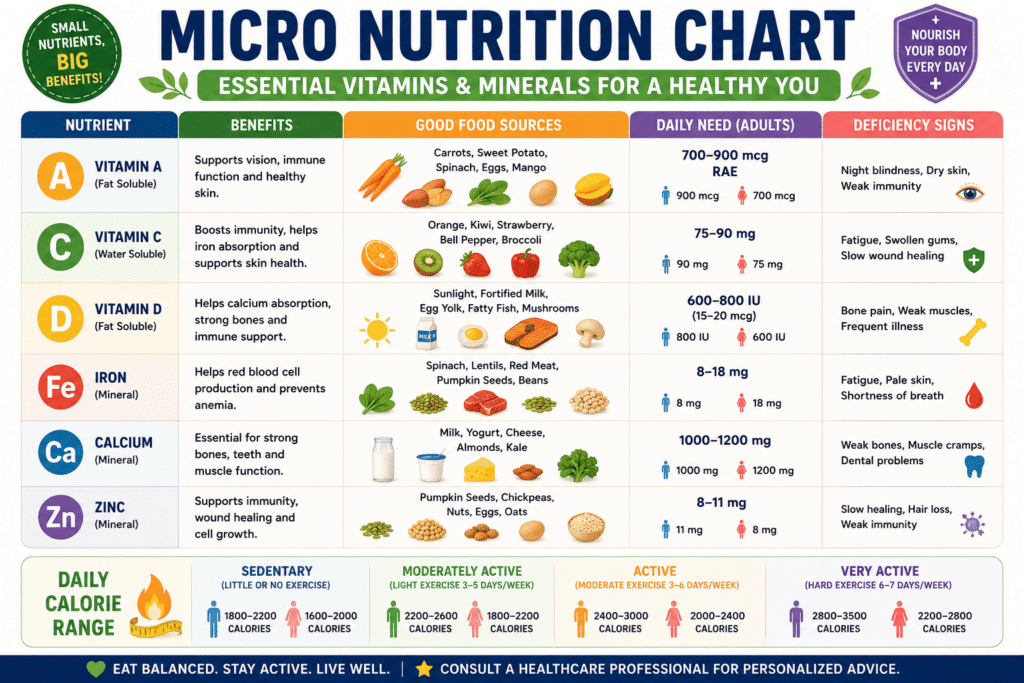
Healthy Eating on a Budget Starts With Balance
A successful 7-day healthy budget meal plan focuses on balance rather than perfection. Healthy meals do not need expensive ingredients or complicated recipes to provide good nutrition.
Meals that combine protein, fiber, vegetables, and whole grains are often more filling and satisfying than highly processed foods. Simple ingredients like oats, rice, beans, eggs, vegetables, and lean proteins can create balanced meals that support healthy eating habits while keeping grocery costs manageable.
Focusing on simple balanced meals also makes meal planning easier to maintain long term.
Ingredient Reuse Strategy That Saves Money
A 7-day healthy budget meal plan works best when the same ingredients are used in several meals. Reusing ingredients reduces food waste, keeps grocery costs low, and makes meal preparation much easier during the week.
Smart ingredient reuse examples
Cooked chicken for multiple meals
Roasted or baked chicken can be used for dinner one night and added to wraps, salads, or rice bowls the next day.
Rice for several dishes
A large batch of rice can be used for stir-fries, grain bowls, or served as a side with vegetables and protein.
Roasted vegetables for different meals
Roasted vegetables can appear in pasta dishes, salads, grain bowls, or wraps.
Beans in multiple recipes
Beans can be used in soups, salads, tacos, and rice dishes throughout the week.
Using ingredients this way makes a 7-day healthy budget meal plan easier to follow and helps families save money on groceries.
Healthy Budget Food Swaps That Save Money
Small food swaps can make a 7-day healthy budget meal plan healthier and more affordable at the same time.
Simple budget-friendly swaps
- chips → air-popped popcorn
- sugary cereal → oatmeal with fruit
- soda → flavored water or homemade iced tea
- frozen dinners → homemade rice bowls
- expensive snack bars → bananas with peanut butter
- flavored yogurt → plain yogurt with fruit
- takeout meals → homemade stir-fries
These swaps reduce grocery costs while helping families eat more whole foods and less processed food.
How to Adjust the Meal Plan for Families
A 7-day healthy budget meal plan can easily work for different household sizes. Families often need larger portions and flexible meals that everyone will enjoy. With a few small adjustments, the same plan can feed more people while keeping grocery costs under control.
Simple adjustments for families
Increase portion sizes
Cook larger servings of grains, vegetables, and proteins so everyone has enough food at each meal.
Double recipes when needed
Meals like soups, stir-fries, pasta dishes, and casseroles are easy to double and often provide leftovers for lunch the next day.
Add simple side dishes
If meals need to stretch further, add affordable sides like rice, potatoes, bread, or extra vegetables.
Make small swaps for picky eaters
Children or picky eaters may prefer simpler ingredients. You can swap vegetables or adjust seasonings while keeping the meal budget-friendly.
Common Budget Meal Planning Mistakes
A 7-day healthy budget meal plan works best when meals stay simple and ingredients are used wisely. Small planning mistakes can increase grocery spending and make meal planning harder than it needs to be.
Mistakes to avoid
Buying too many ingredients
Choosing recipes that require many different ingredients can raise grocery costs quickly. Simple meals usually cost less.
Picking complicated recipes
Meals with long ingredient lists or difficult preparation often discourage consistent meal planning.
Ignoring leftovers
Leftovers can easily become lunch the next day. Not using them leads to wasted food and extra spending.
Shopping without a list
Going to the store without a clear list often results in impulse purchases and unnecessary items.
Overspending on snacks
Packaged snack foods can add significant cost to grocery bills. Simple snacks like fruit, yogurt, or peanut butter are usually cheaper and healthier.
Tips to Keep Grocery Costs Low Every Week
Following a 7-day healthy budget meal plan becomes easier when you develop simple habits that reduce grocery spending. Small changes in how you shop and cook can make healthy eating much more affordable over time.
Practical cost-saving tips
Buy seasonal produce
Fruits and vegetables that are in season are usually cheaper and fresher.
Use frozen vegetables
Frozen vegetables often cost less than fresh produce and last longer, which helps prevent food waste.
Choose store brands
Store brands usually offer the same quality as name brands but at a lower price.
Buy grains and beans in bulk
Staples like rice, oats, and beans are much cheaper when purchased in larger quantities.
Reduce food waste
Plan meals around ingredients you already have and use leftovers whenever possible to stretch your grocery budget.
What is a 7-day healthy budget meal plan?
A 7-day healthy budget meal plan is a weekly guide that organizes affordable meals using inexpensive ingredients like grains, beans, vegetables, eggs, and lean proteins. Planning meals for the entire week helps families control grocery spending, reduce food waste, and maintain balanced nutrition without relying on expensive convenience foods.
How much does a 7-day healthy meal plan cost?
The total cost depends on grocery prices and where you shop, but cooking simple meals with affordable ingredients is usually much cheaper than eating out. A 7-day healthy budget meal plan built around staple foods like rice, oats, beans, and vegetables helps keep weekly grocery spending manageable.
What are the cheapest healthy meals to cook?
Some of the cheapest healthy meals include lentil soup, vegetable stir-fry with rice, bean chili, oatmeal with fruit, egg and vegetable scrambles, and pasta with simple tomato sauce. These meals use inexpensive ingredients while still providing protein, fiber, and important nutrients.
How do I eat healthy on a tight grocery budget?
Start by planning meals before shopping and building meals around affordable staples like oats, rice, beans, eggs, and frozen vegetables. Cooking at home, buying seasonal produce, and reusing ingredients across multiple meals can make healthy eating much more affordable.
Can a family eat healthy on a budget?
Yes. Families can eat healthy by choosing simple recipes, cooking meals at home, and planning food for the week. A 7-day healthy budget meal plan helps families organize meals, control grocery spending, and make sure everyone gets nutritious food throughout the week.
Can I freeze meals from this 7-day healthy budget meal plan?
Yes. Many meals in this plan freeze well, including soups, stews, rice dishes, cooked chicken, and pasta sauces. Freezing leftovers helps reduce food waste and makes future meals easier to prepare.
What are the cheapest proteins for meal prep?
Some of the cheapest protein sources include eggs, beans, lentils, canned tuna, tofu, chicken thighs, and peanut butter. These foods provide good nutrition while keeping meal prep affordable.
How do I avoid food waste while meal planning?
Plan meals around ingredients that can be reused across multiple dishes. Store leftovers properly, buy realistic quantities, and prepare meals using foods that are already available at home whenever possible.
Final Tips for Long-Term Success
Following a 7-day healthy budget meal plan becomes easier when you focus on consistency instead of perfection. Start with simple meals, affordable ingredients, and realistic grocery goals that fit your household.
Saving your meal plan, reusing grocery lists, and preparing a few ingredients ahead of time each week can make healthy eating much easier over time. Small habits like cooking at home more often, reducing food waste, and planning meals before shopping can lead to long-term savings while improving nutrition for the entire family.
Use this meal plan as a starting point, adjust meals based on your family’s preferences, and continue building healthy budget-friendly habits week after week.







2 thoughts on “7-Day Healthy Budget Meal Plan for Families (Cheap & Easy Meals)”
It’s very trouble-free to find out any topic on net as compared to books,
as I found this piece of writing at this web site.
Its not my first time to go to see this website, i am browsing this web page dailly and get pleasant
information from here everyday.