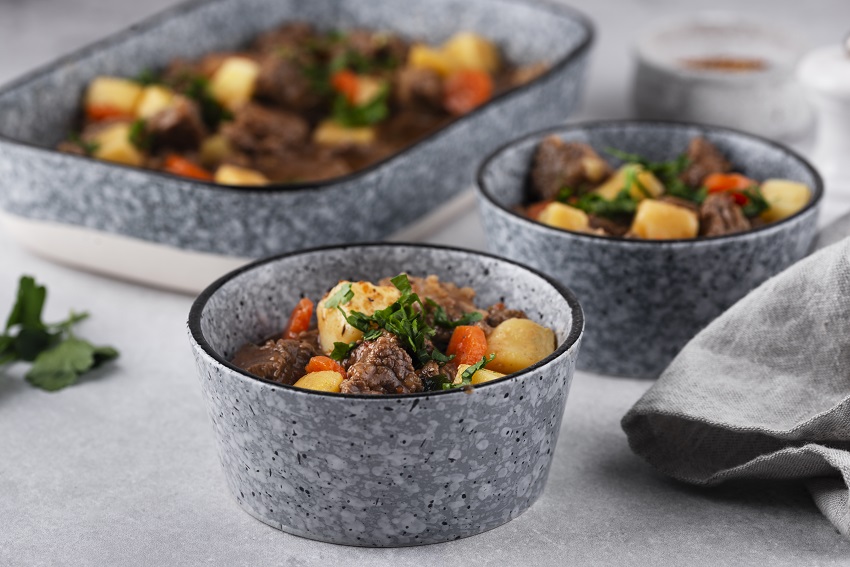
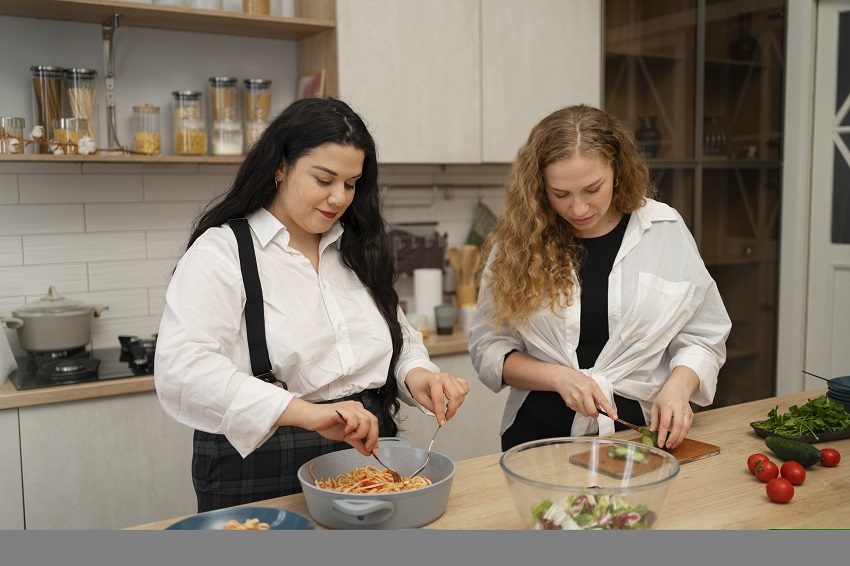
Batch cooking is a simple way to make meals ahead and cut down on both stress and costs. Busy families often struggle to find time to cook every day. By cooking in batches, you can save hours each week and avoid last-minute takeout. Even beginners can start small and see results fast.
What Is Batch Cooking?
Batch cooking means preparing multiple meals in one session. Instead of cooking daily, you cook once and eat several meals from it. This approach saves time, reduces food waste, and keeps meals consistent and healthy.
- Prepare meals for the week in one go.
- Use larger portions to save cooking time.
- Freeze or refrigerate meals for later.
Why Batch Cooking Saves Money
Cooking in batches is not just about convenience—it’s a budget booster.
- Buy in bulk: Ingredients are cheaper in larger amounts.
- Reduce waste: Less spoiled food means more savings.
- Skip takeout: Ready meals cut the need for expensive fast food.
- Plan meals: Avoid impulse grocery buys by sticking to your list.
Even beginners can save a noticeable amount in a single week.
Simple Batch Cooking Strategies
Start small and build up. Here’s how:
- Pick easy recipes: Stews, soups, pasta dishes, and casseroles work well.
- Cook double portions: Eat half now, freeze half.
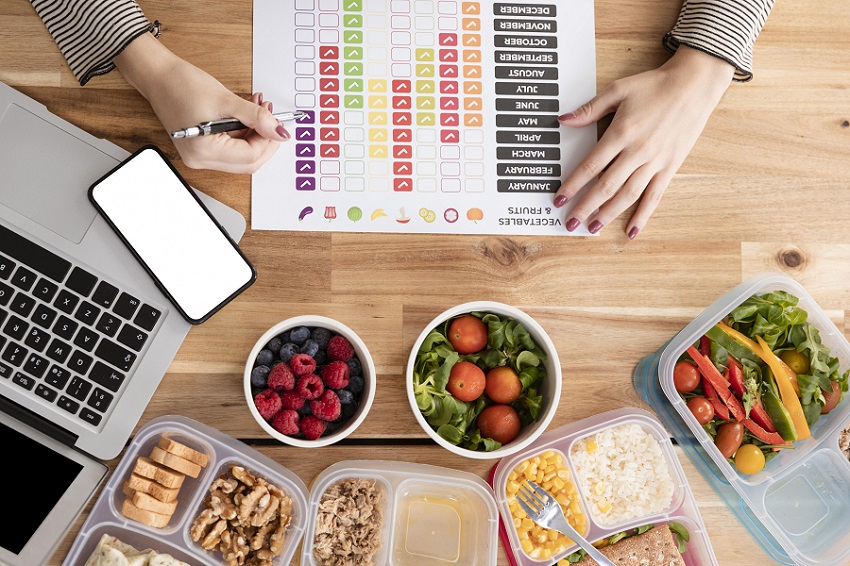
- Prep ingredients first: Chop, wash, and measure before cooking.
- Use versatile ingredients: Chicken, rice, beans, and veggies can appear in multiple meals.
- Label containers: Write the meal and date to avoid confusion.
Essential Tools That Make Batch Cooking Easy
A few tools can make the process smoother:
- Large pots, baking trays, and skillets.
- Food storage containers and freezer-safe bags.
- Slow cooker or instant pot for hands-free cooking.
- Labels and markers for organization.
Even beginners don’t need fancy equipment to start.
Common Mistakes to Avoid
To save time and money, avoid these beginner mistakes:
- Cooking too many new recipes at once.
- Not planning meals for the week.
- Skipping storage labels.
- Forgetting to cool meals before freezing.
Start small, focus on one meal type at a time, and grow from there.
Sample Money-Saving Weekly Batch Menu
Here’s an example plan for one week:
- Monday: Big pot chili (freezes well)
- Tuesday: Chicken stir-fry with rice
- Wednesday: Pasta bake with vegetables
- Thursday: Lentil soup from leftover veggies
- Friday: Baked salmon with roasted potatoes
- Weekend: Freezer-friendly casserole or shepherd’s pie
This menu keeps meals varied, budget-friendly, and ready to serve.
Conclusion
Batch cooking is the easiest way to save time and money while feeding your family healthy meals. Beginners can start with one or two meals a week and gradually expand. The key is planning, prepping, and storing meals properly.
Call to action: Try cooking one batch meal this weekend and see how much time and money you save. Batch cooking works for anyone who wants simpler, smarter mealtimes.
What is batch cooking?
Batch cooking is preparing multiple meals at once so you can eat throughout the week. It saves time, reduces stress, and cuts grocery costs.
How do I start batch cooking as a beginner?
Start small. Pick one or two simple recipes, prep ingredients, cook in large portions, and store meals in the fridge or freezer. Label containers for easy access.
Can batch cooking save money?
Yes. Buying ingredients in bulk, reducing food waste, and avoiding takeout helps you save significantly each week.
How long do batch-cooked meals last?
Refrigerated meals usually last 3–5 days. Freezer meals can last 2–3 months if stored properly in airtight containers or freezer bags.
What meals are best for batch cooking?
Soups, stews, casseroles, pasta bakes, stir-fries, and rice or bean dishes work well. Choose meals that reheat easily and taste good the next day.
Do I need special tools for batch cooking?
No. Basic tools like large pots, baking trays, storage containers, and freezer bags are enough. Optional tools like a slow cooker or instant pot make it easier.
How do I prevent food from spoiling?
Cool meals before freezing, use airtight containers, label with dates, and store in the fridge or freezer promptly.
Can I batch cook for a family with picky eaters?
Yes. Make customizable meals where each family member can add toppings or sides. Focus on versatile ingredients like rice, pasta, and proteins that can be flavored differently.
How often should I batch cook?
Once or twice a week works for most families. Find a schedule that fits your routine and grocery shopping days.
Will batch cooking make meals boring?
Not if you plan variety. Mix proteins, vegetables, sauces, and spices. Trying new flavors and rotating recipes keeps meals interesting.