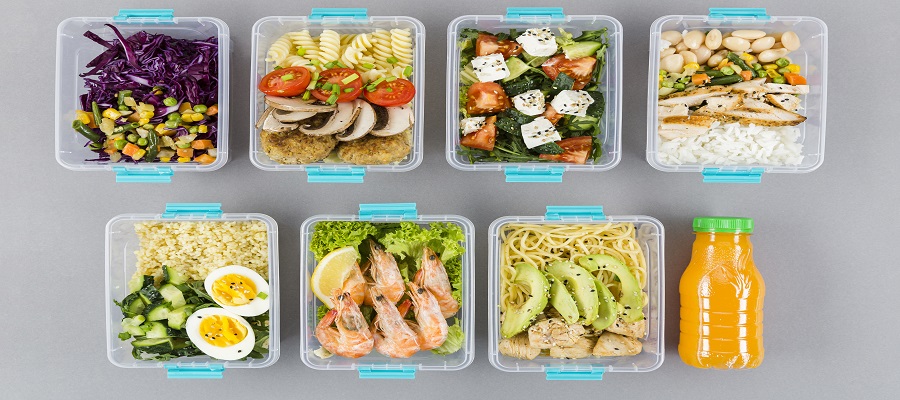
Freezing meals for the month is one of the easiest ways families can save time in the kitchen and reduce weekly cooking stress. Instead of making dinner from scratch every night, you prepare meals in advance, store them in the freezer, and simply reheat when needed. This approach helps busy households stay organized, avoid last-minute takeout, and cut grocery costs. With the right planning and a few simple freezer meal strategies, you can build a full month of ready-to-cook meals that make weeknight dinners faster and easier for everyone.
How to freeze meals for the month with 17 smart strategies that help families save time, cut grocery costs, and keep easy homemade dinners ready all week.
What Freezing Meals for the Month Means
Freezing meals for the month means preparing meals in advance, storing them in freezer-safe containers, and reheating them when needed during the week. Families cook in batches, portion meals, and freeze them so dinner is already prepared. This system saves time, reduces daily cooking stress, and keeps homemade meals ready anytime.
Key Basics of Freezer Meal Prep
- Cook meals ahead of time so you are not cooking every day.
- Prepare food in large batches to save time and effort.
- Divide meals into portions for easy reheating.
- Store meals in freezer-safe containers or bags.
- Label each meal with the name and date.
- Freeze meals immediately to keep them fresh.
This method helps families cook once and enjoy ready-to-heat meals throughout the month.
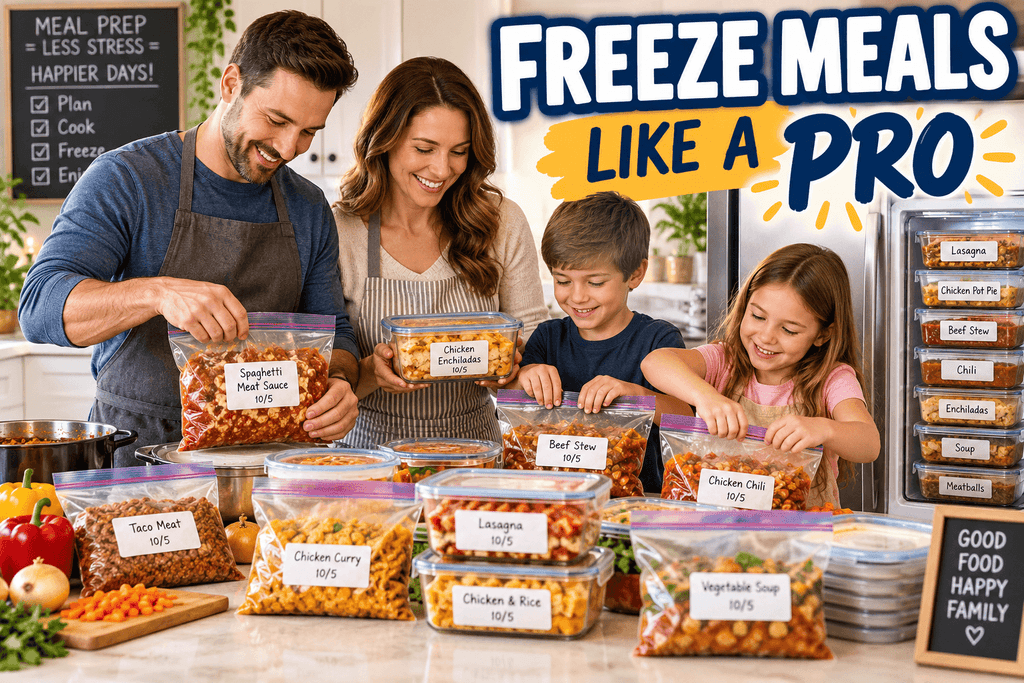
Freezing meals is a powerful method for saving money on groceries
Benefits of Freezing Meals for the Month
Freezing meals for the month helps families save time, reduce grocery spending, and simplify daily cooking. When meals are prepared ahead of time, dinner becomes quick and stress-free. Instead of cooking every night, families can simply reheat a meal from the freezer and still enjoy homemade food.
Key Benefits Families Notice
- Saves hours of cooking each week. Preparing meals in batches reduces daily kitchen time.
- Cuts grocery costs. Buying ingredients in bulk often costs less.
- Reduces food waste. Extra ingredients and leftovers can be frozen instead of thrown away.
- Makes weeknight dinners easier. Meals are already prepared and ready to heat.
- Helps avoid expensive takeout. Having meals ready at home reduces last-minute food orders.
- Keeps family meals consistent. Busy schedules no longer interrupt dinner plans.
Quick Tips to Maximize the Benefits
- Start with simple meals your family already enjoys.
- Freeze meals in portions that match your household size.
- Rotate meals each week to keep variety in your monthly plan.
Meals That Freeze Best
Meals that freeze best are foods that keep their texture and flavor after thawing and reheating. Dishes with sauces, broths, or baked ingredients usually store well in the freezer. These meals are easy to cook in batches and stay tasty even after several weeks of freezing.
Best Freezer Meal Ideas
- Soups and stews
Chili, vegetable soup, chicken noodle soup, and beef stew freeze very well. - Casseroles
Lasagna, baked ziti, shepherd’s pie, and chicken casserole are great for freezer storage. - Pasta dishes
Pasta bakes and spaghetti sauce hold their flavor after freezing and reheating. - Cooked meats
Shredded chicken, taco meat, pulled pork, and meatballs freeze well and can be used in many meals. - Rice and grain dishes
Cooked rice, quinoa, and grain bowls can be frozen in portions for quick dinners. - Breakfast freezer meals
Pancakes, waffles, breakfast burritos, and muffins are easy to freeze and reheat.
Tips for Freezing These Meals
- Let meals cool before placing them in the freezer.
- Use airtight containers or freezer bags.
- Portion meals so they are easy to reheat later.
- Label every container with the meal name and date.
Foods That Do Not Freeze Well
Some foods lose their texture or flavor after freezing and thawing. High-water ingredients or delicate foods often become mushy, watery, or separated when reheated. Knowing which foods do not freeze well helps families avoid wasted meals and keeps freezer meal prep more successful.
Foods That Usually Freeze Poorly
- Lettuce and fresh salads
These contain a lot of water and quickly become limp after thawing. - Mayonnaise-based dishes
Potato salad, egg salad, and similar foods can separate and turn watery. - Fried foods
Fried chicken, fries, and similar items lose their crisp texture after freezing. - Cream-heavy sauces
Cream sauces can separate when frozen and reheated. - Soft herbs
Herbs like basil or parsley often turn dark and lose flavor after freezing.
Tips to Avoid Freezer Texture Problems
- Freeze sauces and ingredients separately when possible.
- Choose meals with broth, tomato sauce, or baked ingredients.
- Add fresh toppings or herbs after reheating instead of freezing them.
Tools You Need for Freezer Meal Prep
Freezer meal prep becomes much easier when you use the right tools. Proper containers, storage bags, and labeling supplies help keep food fresh and organized. These basic tools protect meals from freezer burn and make it easier to store, stack, and find meals later.
Essential Freezer Meal Prep Tools
- Freezer-safe containers
Glass or BPA-free plastic containers work well for storing full meals. - Freezer bags
Heavy-duty zip bags save space and allow meals to freeze flat. - Vacuum sealers
These remove air from bags and help prevent freezer burn. - Labels and permanent markers
Label every meal with the name and the freezing date. - Large baking sheets
Useful for flash freezing foods before placing them into bags. - Measuring cups and portion scoops
Help divide meals into equal portions for easy reheating.
Tips for Choosing Storage Containers
- Use airtight containers to keep food fresh longer.
- Freeze meals in portions that match your family size.
- Choose stackable containers to save freezer space.
- Use freezer bags for soups, sauces, and shredded meats.
17 Smart Ways to Freeze Meals for the Month
Freezing meals for the month works best when you follow simple strategies that keep food fresh, organized, and easy to reheat. The right methods help families cook once, store meals safely, and enjoy homemade food throughout the month without daily cooking.
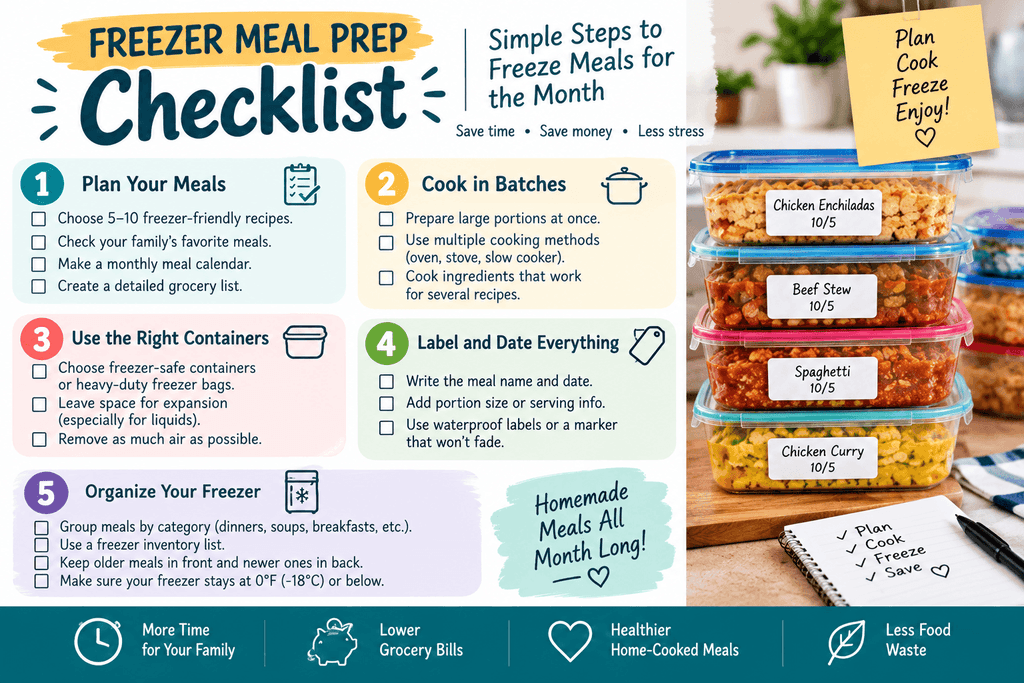
You can plan better using how to meal plan for a month
Smart Freezer Meal Strategies
- Choose freezer-friendly recipes
Meals with sauces, broths, or baked ingredients usually freeze best. - Cook meals in large batches
Preparing bigger portions saves time and reduces cooking days. - Freeze meals in family-sized portions
This makes reheating dinner quick and easy. - Freeze individual portions for lunches
Smaller portions work well for quick meals during the week. - Use freezer bags to save space
Bags can be laid flat and stacked neatly in the freezer. - Label every meal clearly
Always include the meal name and freezing date. - Keep a freezer inventory list
Track what meals you have available so nothing is forgotten. - Freeze cooked proteins separately
Shredded chicken or ground beef can be used in many meals later. - Prepare sauces ahead of time
Pasta sauces, curry sauces, and chili bases freeze very well. - Use flash freezing for smaller foods
Freeze items on a baking tray first so they do not stick together. - Cool food completely before freezing
This helps protect food quality and prevents freezer temperature changes. - Freeze meals flat when possible
Flat storage saves freezer space and helps meals freeze faster. - Organize meals by category
Keep soups, casseroles, and proteins in separate freezer sections. - Rotate older meals first
Use meals in the order they were frozen. - Keep simple backup meals ready
Frozen chili, soup, or pasta sauce can save dinner on busy nights. - Freeze breakfast foods too
Pancakes, waffles, and burritos make mornings easier. - Start with a few meals and build your system
Gradually increase your freezer meal supply over time.
Tips to Make Freezer Meal Prep Easier
- Plan meals before grocery shopping.
- Choose recipes your family already enjoys.
- Use stackable containers to maximize freezer space.
- Prep ingredients in batches to save time.
A Simple 30-Day Freezer Meal Plan for a Family of Four
A 30-day freezer meal plan helps families prepare homemade dinners in advance without cooking from scratch every night. The easiest approach is to choose 10 freezer-friendly recipes, make three family-sized batches of each, and organize them into a monthly schedule. This creates 30 dinners while keeping grocery shopping and meal preparation manageable.
Sample 30-Day Freezer Meal Calendar
This example assumes four servings per dinner, giving you 120 total dinner servings. Side dishes and fresh toppings can be added on serving day.
| Days | Freezer meals | Batches |
|---|---|---|
| 1–3 | Chicken and bean chili | 3 |
| 4–6 | Spaghetti with meat sauce | 3 |
| 7–9 | Chicken and rice casserole | 3 |
| 10–12 | Beef and vegetable stew | 3 |
| 13–15 | Black bean burritos | 3 |
| 16–18 | Baked ziti | 3 |
| 19–21 | Chicken enchiladas | 3 |
| 22–24 | Turkey meatballs with sauce | 3 |
| 25–27 | Lentil vegetable soup | 3 |
| 28–30 | BBQ shredded chicken | 3 |
| Total | 10 different dinners | 30 |
You can rotate these meals throughout the month rather than eating each recipe three days in a row.
How to Customize Your Monthly Freezer Plan
- Choose family favorites. Start with meals your children already enjoy.
- Mix affordable proteins. Combine chicken, turkey, beans, and lentils to control costs.
- Use overlapping ingredients. Choose recipes that share onions, peppers, rice, and tomato sauce.
- Add fresh sides. Serve frozen main dishes with salads, fruit, or steamed vegetables.
- Plan for freezer space. Check your available capacity before buying ingredients for all 30 dinners.
[✔] Beginner tip: Prepare five dinners in your first session. Once the process feels manageable, increase your monthly freezer meal supply.
How to Start Freezing Meals for the Month
Starting freezer meal prep for the month does not require complicated planning. Families can begin by choosing a few simple recipes, cooking larger portions, and freezing extra meals for later. With a clear system, it becomes easy to build a freezer full of ready-to-heat meals that save time during busy weeks.
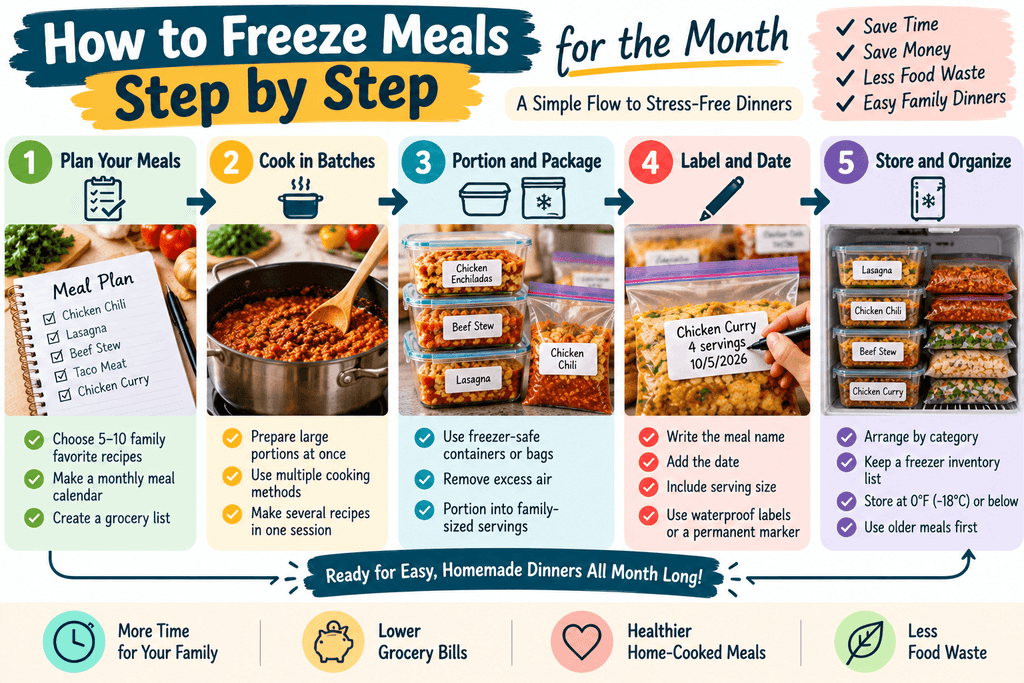
Step-by-Step: How to Freeze Meals for the Month
- Choose 5–10 freezer-friendly recipes
Pick meals your family already enjoys and that reheat well. - Create a monthly meal plan
Decide which meals will be eaten each week. - Make a detailed grocery list
Buy ingredients in bulk to save money. - Cook meals in large batches
Prepare several meals at the same time. - Let the food cool completely
Cooling food prevents condensation and protects food quality. - Divide meals into portions
Use containers or freezer bags for family meals or individual servings. - Label every meal clearly
Include the meal name and the freezing date. - Place meals in the freezer
Store them flat or stack containers to save space. - Keep a freezer inventory list
Track meals so you know what is available throughout the month.
Simple Tips for Beginners
- Start with 5 meals instead of 30 to learn the system.
- Choose easy recipes like soups or casseroles.
- Use clear containers so meals are easy to identify.
- Add more freezer meals gradually each week.
How to Prepare Freezer Meals in Two Hours
A two-hour freezer meal prep session can help families prepare several dinners without spending an entire day cooking. The key is choosing recipes with shared ingredients, preparing ingredients in batches, and assembling meals efficiently. The number of meals completed depends on recipe complexity, kitchen equipment, and whether ingredients require cooking.
A Simple Two-Hour Freezer Meal Prep Schedule
| Time | Task |
|---|---|
| 0–15 minutes | Wash hands, organize ingredients, prepare equipment |
| 15–35 minutes | Chop vegetables and measure seasonings |
| 35–65 minutes | Cook proteins and other ingredients requiring cooking |
| 65–90 minutes | Assemble several freezer-friendly dishes |
| 90–110 minutes | Divide food into shallow containers and begin rapid cooling |
| 110–120 minutes | Label containers, clean up, and continue safe cooling and storage |
This is an example for a small batch of simple recipes, not a guarantee that a month’s worth of dinners can be fully cooked in two hours.
Five Ways to Make Batch Cooking Faster
- Choose recipes with shared ingredients. Use chopped onions and peppers across several dishes.
- Prepare vegetables together. Chop everything before starting the cooking process.
- Cook proteins in batches. Prepare ground turkey or chicken for multiple recipes.
- Use multiple cooking methods. Run the oven and stovetop together when safe.
- Assemble meals in an organized order. Finish one recipe before moving to the next.
[✔] Food safety tip: Refrigerate or freeze perishable cooked food within two hours of cooking, or within one hour if the surrounding temperature exceeds 90°F. Divide large batches into shallow containers or use an ice bath for faster cooling. Do not leave food on the counter until completely cool.
Money-Saving Tips When Freezing Meals for the Month
Freezing meals for the month can lower grocery spending when done the right way. Batch cooking uses ingredients more efficiently and helps families buy food in bulk at lower prices. When meals are ready in the freezer, it also reduces the need for expensive takeout or last-minute grocery trips.
Practical Ways to Save Money with Freezer Meals
- Buy ingredients in bulk
Larger packages of meat, rice, or vegetables usually cost less per serving. - Cook large batches of protein
Ground beef, shredded chicken, or beans can be used in several meals. - Use seasonal ingredients
Seasonal produce is often cheaper and still freezes well. - Turn leftovers into freezer meals
Extra soup, chili, or pasta sauce can easily be frozen for another dinner. - Freeze meal components
Sauces, cooked grains, and proteins can be mixed into different meals later. - Watch grocery sales
Stock up on ingredients when prices drop and prepare freezer meals at that time.
Extra Tips to Stretch Your Grocery Budget
- Add affordable ingredients like beans, rice, and vegetables to meals.
- Freeze smaller portions to avoid wasting leftovers.
- Plan freezer meals around ingredients you already have at home.
How Much Does It Cost to Freeze Meals for a Month?
The cost of freezing meals for a month depends on family size, recipes, grocery prices, and ingredients already available at home. Families can control spending by planning around affordable proteins, buying ingredients at favorable unit prices, and using the same ingredients across several recipes. A detailed grocery budget helps prevent overspending.
Example Monthly Freezer Meal Budget
Illustrative planning amounts for 30 dinners serving four people. These are not verified current grocery prices or a complete shopping list.
| Grocery category | Example budget |
|---|---|
| Chicken and turkey | $75 |
| Beef and other meat | $45 |
| Beans and lentils | $25 |
| Rice and pasta | $30 |
| Frozen and fresh vegetables | $55 |
| Tomato sauce, broth, seasonings | $45 |
| Cheese, tortillas, and extras | $45 |
| Estimated total | $320 |
Example cost per dinner serving
$2.67
$320 ÷ 120 servings
This $320 figure is a hypothetical budget for illustration. Actual costs may be higher or lower, and the budget does not include every possible side dish, storage supply, or energy cost.
To reduce waste, apply food waste hacks that save money
How to Lower Your Monthly Freezer Meal Costs
- Compare unit prices before buying large packages.
- Use beans and lentils to stretch meat-based recipes.
- Buy store-brand pantry staples when they offer better value.
- Check your pantry before making a shopping list.
- Freeze leftovers in useful portions instead of throwing them away.
[✔] Money-saving example: If a freezer dinner replaces a $35 takeout order and costs $12 in ingredients, the difference is $23 before accounting for other preparation costs. Replacing four such orders would avoid $92 in spending under those assumptions.
Why Freezing Meals for the Month Works for Busy Families
Freezing meals for the month works because it reduces daily cooking pressure and helps families stay organized. Instead of cooking every night, meals are already prepared and waiting in the freezer. This system saves time, reduces stress, and keeps homemade food available even during the busiest weeks.
Key Benefits Families Experience
- Less daily cooking
Dinner becomes faster because meals are already prepared. - More consistent family meals
Having meals ready makes it easier to eat together regularly. - Less stress during busy weeks
Work, school, and activities no longer disrupt dinner plans. - Better control over ingredients
Homemade meals allow families to choose healthier ingredients. - More efficient kitchen routines
Cooking several meals at once uses time and energy more efficiently.
Why Many Families Use This System
- It simplifies weekly meal planning.
- It keeps homemade food available anytime.
- It reduces reliance on fast food and takeout.
- It helps families manage time and grocery budgets more effectively.
How Long Do Freezer Meals Last?
Most homemade freezer meals maintain good quality for about two to four months, depending on the ingredients and packaging. Soups, casseroles, and cooked meats have different recommended storage periods. Food kept continuously frozen at 0°F (-18°C) or below remains safe indefinitely, but its flavor, texture, and moisture may decline over time.
Freezer Meal Storage Time Chart
| Meal type | Recommended freezer time for quality |
|---|---|
| Soups and stews | 2–3 months |
| Casseroles | 2–3 months |
| Cooked meat or poultry leftovers | 2–6 months |
| Frozen dinners and entrées | 3–4 months |
| Cooked poultry | About 4 months |
| Homemade breakfast burritos | Aim for 1–2 months for quality |
These are general quality guidelines. Storage time varies by recipe and ingredients. The breakfast burrito estimate is a practical quality target, not a specific USDA storage category.
How to Keep Freezer Meals Fresh Longer
- Use containers and bags designed for freezer storage.
- Remove excess air before sealing.
- Keep the freezer at 0°F (-18°C) or colder.
- Write the freezing date on every package.
- Use older meals before newer ones.
- Avoid frequent thawing and refreezing when possible.
[✔] Remember: Freezer burn usually affects flavor and texture rather than making properly frozen food unsafe.
How to Organize Freezer Meals for an Entire Month
Organizing freezer meals for the month makes it easier to find dinner, track food supplies, and prevent forgotten leftovers. The best method combines clearly labeled containers, designated freezer sections, and a simple inventory list. Families with small freezers can also save space by freezing suitable meals flat in freezer-safe bags.
The Three-Zone Freezer Organization Method
- Zone 1: Ready-to-heat dinners. Store soups, casseroles, chili, and fully cooked meals together.
- Zone 2: Meal components. Keep cooked proteins, sauces, and vegetables in a separate section.
- Zone 3: Breakfasts and snacks. Organize pancakes, muffins, and breakfast burritos together.
Sample Freezer Inventory Sheet
| Meal | Portions | Date frozen | Quantity |
|---|---|---|---|
| Chicken chili | 4 | Oct. 1 | 2 meals |
| Lasagna | 4 | Oct. 2 | 1 meal |
| Vegetable soup | 4 | Oct. 3 | 3 meals |
| Turkey meatballs | 4 | Oct. 4 | 2 meals |
Update the list whenever you add or remove a meal.
How to Save Freezer Space
- Freeze suitable soups and sauces flat in strong, leakproof freezer bags.
- Stack bags only after the contents are completely frozen.
- Use smaller containers for individual portions.
- Leave enough room for cold air to circulate.
- Avoid filling the freezer with more unfrozen food than it can freeze efficiently.
How to Safely Thaw and Reheat Frozen Meals
Frozen meals should be thawed using the refrigerator, cold water, or microwave rather than leaving them on the kitchen counter. Most cooked leftovers should reach an internal temperature of 165°F (74°C) when reheated. Following proper food safety steps helps families enjoy homemade freezer meals without unnecessary health risks.
Three Safe Ways to Thaw Freezer Meals
- Refrigerator thawing: Move a frozen meal into the refrigerator and allow enough time to thaw. Large dishes may take longer than overnight.
- Cold-water thawing: Place the food in a leakproof package, submerge it in cold water, and change the water every 30 minutes. Reheat or cook promptly after thawing.
- Microwave thawing: Use the defrost setting and heat the food immediately afterward until it reaches a safe temperature.
How to Reheat Different Freezer Meals
| Meal | Reheating method |
|---|---|
| Soup or chili | Heat on the stovetop, stirring regularly; bring to a rolling boil |
| Casseroles | Reheat in an oven-safe dish until the center reaches 165°F |
| Cooked meatballs | Heat in sauce until they reach 165°F |
| Breakfast burritos | Reheat evenly and check the center reaches 165°F |
| Rice dishes | Reheat thoroughly to 165°F, stirring for even heating |
Frozen leftovers can also be reheated directly without thawing, although they will take longer.
Food Safety and Inspection Service
[✔] Safety reminder: Never thaw perishable meals overnight on the counter.
Is It Cheaper to Freeze Meals or Cook Every Day?
Freezing meals can be cheaper when batch cooking reduces food waste, uses sale-priced ingredients, and replaces expensive takeout. However, savings depend on grocery prices, portion sizes, packaging costs, and electricity use. Compare the cost per serving of your freezer meals with your usual cooking and takeout expenses.
Can You Freeze Cooked Rice for Meal Prep?
Yes. Cooked rice can be frozen for later meals when handled safely. Cool it quickly in shallow portions, refrigerate or freeze promptly, and package it in airtight containers. When serving, reheat it thoroughly to 165°F. Avoid leaving cooked rice at room temperature for long periods.
Can You Freeze Raw Ingredients Together for Future Meals?
Yes, some freezer meal recipes can be assembled with raw ingredients and frozen before cooking. Use freezer-safe packaging, prevent cross-contamination, and follow a tested recipe. Raw poultry must reach 165°F when cooked, while ground beef should reach 160°F. Do not rely on freezing to kill harmful bacteria.
How Much Freezer Space Do You Need for 30 Meals?
The amount of freezer space needed for 30 meals depends on portion sizes, packaging, and the type of food. Flat freezer bags often use less space than bulky containers. Before shopping, measure available shelf space and test how many family-sized meal packages will fit without overcrowding the freezer.
Can You Freeze 30 Days of Meals at Once?
Yes, you can prepare and freeze 30 days of meals if you have enough freezer space, ingredients, and preparation time. Start with a monthly meal plan, choose freezer-friendly recipes, and divide meals into family-sized portions. You may need multiple cooking sessions, especially if you have a small kitchen or freezer.
How do I prevent freezer burn?
Use airtight containers or freezer bags, remove as much air as possible, and label meals so they are used before quality declines.
Can I freeze breakfast foods too?
Yes. Pancakes, waffles, muffins, and breakfast burritos freeze very well and make quick morning meals.
What foods should not be frozen?
Lettuce, mayonnaise-based dishes, fried foods, and cream-heavy sauces often lose their texture after freezing.
Conclusion
Freezing meals for the month is a simple way to save time, reduce cooking stress, and keep homemade meals ready for busy days. With a little planning, the right containers, and a few batch-cooking sessions, families can build a freezer full of meals that make weeknight dinners much easier.
Start with a few recipes your family already enjoys, freeze extra portions, and gradually build a monthly freezer meal system that works for your household.