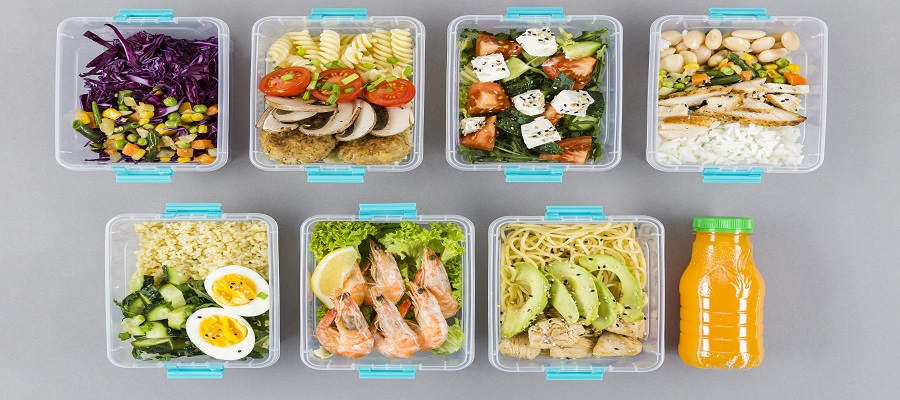
Batch cooking for beginners is a simple way to make meals ahead and cut down on both stress and costs. Busy families often struggle to find time to cook every day, especially with work, school, and activities filling the schedule. Batch cooking solves this by preparing several meals in one session and storing them for later.
This approach can save hours each week and reduce the temptation to order takeout. With a few simple ideas and a clear plan, even beginners can start batch cooking and make family meals easier, cheaper, and more organized.
This guide covers everything beginners need to start batch cooking, including step-by-step plans, meal ideas, and money-saving tips.
Batch Cooking for Beginners: Quick Answer
Batch cooking for beginners means cooking several meals in one session and storing them to eat during the week. It helps families save time, reduce food costs, and avoid daily cooking. Most beginners start with 2–3 simple meals and store them in the fridge or freezer for easy use.
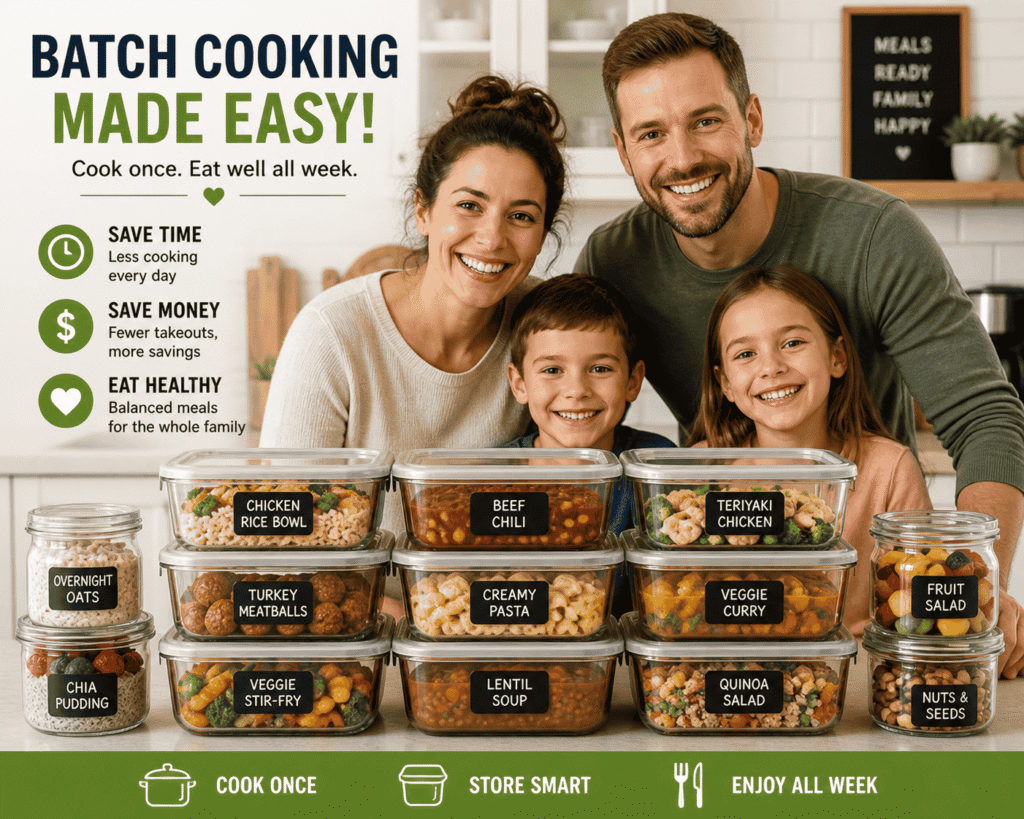
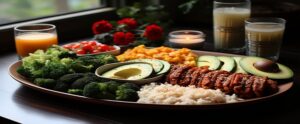
Batch cooking makes budget meal planning more efficient
What Is Batch Cooking for Beginners? (Simple Explanation)
Batch cooking for beginners means preparing several meals in one cooking session so they can be stored and eaten later in the week. Instead of cooking every day, families cook larger portions once and divide them into meals. This simple system saves time, reduces food waste, and makes busy weeknights much easier.
Examples of Batch Cooking Meals
- Large pot of chili divided into several containers
- Cooked shredded chicken used for tacos, bowls, and salads
- Big tray of roasted vegetables for multiple meals
- Pasta sauce prepared once and used all week
- Rice or quinoa cooked in bulk for quick dinners
Why Batch Cooking for Beginners Saves Time and Money
Batch cooking for beginners saves time and money by reducing how often you cook and shop during the week. Preparing meals in larger portions means fewer cooking sessions and better use of ingredients. Families also waste less food and rely less on expensive takeout when ready meals are already in the fridge or freezer.
5 Ways Batch Cooking Cuts Weekly Food Costs
- Buy ingredients in bulk
Larger packages of rice, beans, chicken, and vegetables usually cost less per serving. - Reduce food waste
Cooking planned meals helps use ingredients before they spoil. - Avoid last-minute takeout
When meals are ready, it’s easier to skip expensive restaurant food. - Use leftovers efficiently
One cooked ingredient can appear in several meals during the week. - Cook with cheaper staples
Foods like pasta, rice, beans, potatoes, and frozen vegetables stretch meals further.
Best Batch Cooking for Beginners Ideas
Batch cooking for beginners works best when meals are simple, filling, and easy to store. Some foods hold their flavor and texture better after reheating, making them perfect for cooking in large portions. Choosing the right meals helps families prepare several dinners at once without extra work.
11 Best Batch Cooking Meals for Busy Families
- Chili
A large pot of chili is easy to cook and freezes very well. - Chicken and rice bowls
Cook shredded chicken and rice in bulk for quick meals. - Pasta bake
Pasta casseroles can feed a family and reheat easily. - Vegetable soup
Soups are one of the easiest meals to batch cook. - Beef or turkey tacos
Cook taco meat in large portions for multiple dinners. - Lasagna
Lasagna can be cooked once and frozen for future meals. - Stir-fry with vegetables and chicken
Cook a large skillet and divide into containers. - Casseroles
Casseroles are perfect for batch cooking and freezing. - Pulled chicken or pulled pork
These proteins can be used in sandwiches, bowls, or wraps. - Rice and bean bowls
Budget-friendly meals that store well. - Roasted vegetables
A large tray can be used as sides for several meals.
Batch cooking for beginners is widely used by families to simplify weekly meal planning and reduce food waste while keeping meals consistent.
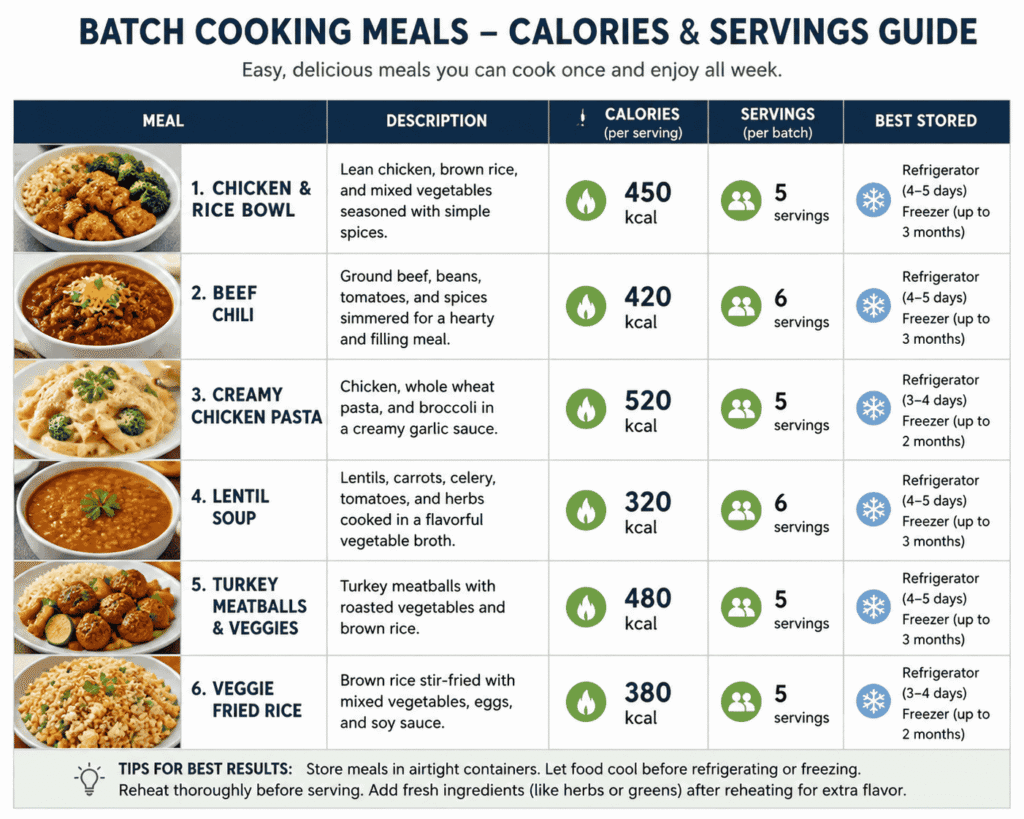
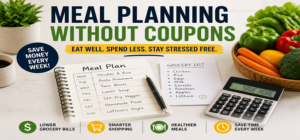
To keep costs low, apply how to save money on groceries
What Are the Best Batch Cooking Meals for Beginners?
The best batch cooking meals for beginners are simple, affordable, and easy to reheat. Meals like soups, chili, pasta dishes, casseroles, and rice bowls work well because they store easily and keep their flavor after reheating.
Batch Cooking Grocery List for Beginners
Batch cooking for beginners becomes easier with a simple grocery list focused on affordable and versatile ingredients. Buying the right foods helps you cook multiple meals without overspending or wasting ingredients.
Basic Grocery List for Batch Cooking
- Proteins: chicken thighs, ground beef, eggs, beans
- Carbs: rice, pasta, potatoes, oats
- Vegetables: carrots, onions, broccoli, spinach, frozen vegetables
- Pantry staples: canned tomatoes, spices, oil, garlic
- Extras: cheese, sauces, tortillas
How to Start Batch Cooking for Beginners
Batch cooking for beginners starts with a simple plan and a few easy recipes. The goal is to cook several meals in one session so your family has food ready for the week. Starting with two or three meals keeps the process manageable while you learn the routine.
Step-by-Step Batch Cooking Plan
Follow these steps to start batch cooking for beginners:
- Choose two or three simple recipes
Pick meals that cook well in large portions such as soups, casseroles, or pasta dishes. - Create a grocery list
Write down all ingredients and buy them in one shopping trip. - Prep ingredients first
Wash vegetables, chop ingredients, and measure spices before cooking. - Cook meals in batches
Use large pots, baking trays, or slow cookers to cook bigger portions at once. - Divide meals into containers
Portion food into containers so meals are ready to grab during the week. - Store meals properly
Keep some meals in the fridge for the next few days and freeze the rest.
What Not to Batch Cook
Batch cooking for beginners works best when meals store and reheat well. Some foods lose texture or flavor after being stored, so it’s better to avoid them when batch cooking.
Foods to Avoid
- Fried foods
They become soggy after reheating. - Fresh salads
They lose freshness quickly. - Delicate seafood
Texture can change after storage. - Cream-heavy sauces
They may separate when reheated.

You can store meals using freezer cooking for beginners
How Long Do Batch Cooked Meals Last?
Batch cooked meals usually last 3 to 5 days in the refrigerator and up to 2 to 3 months in the freezer. Proper storage in airtight containers helps maintain freshness and safety.
2-Hour Batch Cooking for Beginners Plan
Batch cooking for beginners can be done in as little as two hours with a simple plan. By organizing prep, cooking, and storage in stages, families can prepare several meals in one session without feeling overwhelmed. This method works well for beginners who want fast results.
Step-by-Step 2-Hour Workflow
- 0–20 minutes: Prep ingredients
Wash vegetables, chop ingredients, and measure spices. - 20–60 minutes: Start main cooking
Cook one large meal like chili or pasta while roasting vegetables. - 60–90 minutes: Cook proteins and sides
Prepare chicken, rice, or beans for multiple meals. - 90–120 minutes: Portion and store
Divide meals into containers, label, and refrigerate or freeze.
Smart Money-Saving Tips for Batch Cooking Beginners
Batch cooking for beginners becomes even more powerful when families focus on saving money while preparing meals. Planning ingredients, choosing affordable foods, and cooking in larger portions can stretch a grocery budget much further. With a few simple habits, batch cooking can reduce food costs while keeping meals filling and practical.
Budget Tips That Make Batch Cooking Cheaper
- Buy staple ingredients in bulk
Foods like rice, pasta, beans, and oats cost less when purchased in larger amounts. - Use affordable proteins
Chicken thighs, ground turkey, eggs, and beans are budget-friendly options. - Choose frozen vegetables
Frozen vegetables last longer and often cost less than fresh produce. - Cook seasonal ingredients
Fruits and vegetables that are in season are usually cheaper. - Plan meals around sales
Build your batch cooking plan based on discounted ingredients. - Turn leftovers into new meals
Cooked chicken or vegetables can be reused in several different dishes.
Real Example: How Batch Cooking Saves Money
Batch cooking for beginners can significantly reduce weekly food costs by replacing takeout meals with home-cooked food. A simple comparison shows how much families can save.
Weekly Cost Comparison
- Batch cooking 5 meals: around $20–$30
- Takeout for 5 meals: around $60–$100
Batch cooking can cut food spending by half or more while providing healthier meals.
Why Batch Cooking for Beginners Works So Well for Families
Batch cooking for beginners works well for families because it reduces daily cooking stress and keeps meals ready during busy days. Preparing several meals in one session means less time spent in the kitchen later in the week. Families also gain better control over food costs, portions, and nutrition.
Key Benefits Families Notice Quickly
- Less daily cooking stress
Dinner is already prepared, so evenings become easier. - More family time
Spending less time cooking means more time together. - Healthier meals at home
Home-cooked meals usually contain fewer processed ingredients. - Better meal organization
Having meals ready makes weekly planning easier. - Lower grocery spending
Cooking in batches helps families use ingredients more efficiently.
What is batch cooking for beginners?
Batch cooking for beginners means preparing multiple meals at once so they can be stored and eaten during the week. It helps reduce daily cooking time and keeps meals ready for busy schedules.
How long do batch cooked meals last?
Most batch cooked meals last 3 to 5 days in the refrigerator. Meals stored in the freezer can usually last 2 to 3 months when kept in airtight containers or freezer bags.
Is batch cooking the same as meal prep?
No. Batch cooking focuses on cooking full meals ahead of time. Meal prep usually means preparing ingredients in advance so they can be cooked later during the week.
What foods work best for batch cooking?
Meals that reheat well are best. These include soups, stews, casseroles, pasta dishes, rice bowls, shredded chicken, and roasted vegetables.
How many meals should beginners batch cook?
Beginners should start with two or three meals per week. Once the process feels easier, they can gradually cook more meals in one session.
Batch cooking for beginners is one of the simplest ways to save time, reduce stress, and lower grocery costs for families. By cooking several meals in one session, you can make busy weeknights easier and avoid last-minute takeout. Start with a small plan, use simple recipes, and build your routine over time. Once you see the results, batch cooking quickly becomes a habit that makes family life more organized and affordable.
Try one batch cooking session this week. Choose two easy meals, cook them in larger portions, and store them for later. Once you see how much time and effort it saves, batch cooking can quickly become a helpful habit for your family.
Batch cooking for beginners works best when you start simple and stay consistent each week.







4 thoughts on “11 Batch Cooking for Beginners Ideas That Save Time and Money”
Wow, wonderful blog layout! You made blogging look easy. The overall look of your website is great, as is the content!
My brother recommended I might like this web site.
He used to be totally right. This put up truly made my
day. You can not consider simply how so much time I had spent for this information! Thank you!
Hello There. I found your blog using msn. This is an extremely well written article.
I’ll make sure to bookmark it and return to read more of your useful
information. Thanks for the post. I will definitely comeback.
Hello, I log on to your new stuff regularly.
Your humoristic style is awesome, keep doing what you’re doing!