Last Updated on March 6, 2026 by Gil
Freezing meals for the month is one of the easiest ways families can save time in the kitchen and reduce weekly cooking stress. Instead of making dinner from scratch every night, you prepare meals in advance, store them in the freezer, and simply reheat when needed. This approach helps busy households stay organized, avoid last-minute takeout, and cut grocery costs. With the right planning and a few simple freezer meal strategies, you can build a full month of ready-to-cook meals that make weeknight dinners faster and easier for everyone.
How to freeze meals for the month with 17 smart strategies that help families save time, cut grocery costs, and keep easy homemade dinners ready all week.
What Freezing Meals for the Month Means
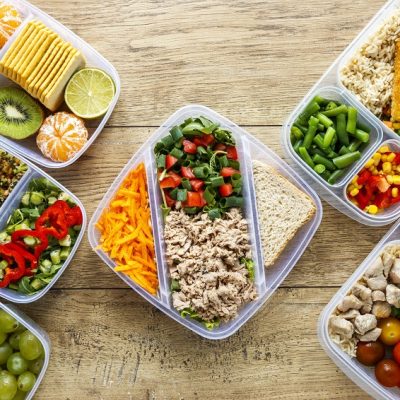
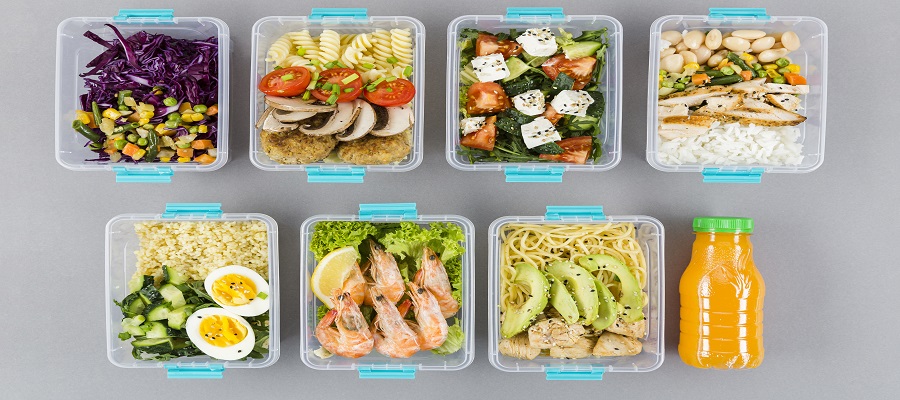
Freezing meals for the month means preparing meals in advance, storing them in freezer-safe containers, and reheating them when needed during the week. Families cook in batches, portion meals, and freeze them so dinner is already prepared. This system saves time, reduces daily cooking stress, and keeps homemade meals ready anytime.
Key Basics of Freezer Meal Prep
- Cook meals ahead of time so you are not cooking every day.
- Prepare food in large batches to save time and effort.
- Divide meals into portions for easy reheating.
- Store meals in freezer-safe containers or bags.
- Label each meal with the name and date.
- Freeze meals immediately to keep them fresh.
This method helps families cook once and enjoy ready-to-heat meals throughout the month.
Benefits of Freezing Meals for the Month
Freezing meals for the month helps families save time, reduce grocery spending, and simplify daily cooking. When meals are prepared ahead of time, dinner becomes quick and stress-free. Instead of cooking every night, families can simply reheat a meal from the freezer and still enjoy homemade food.
Key Benefits Families Notice
- Saves hours of cooking each week. Preparing meals in batches reduces daily kitchen time.
- Cuts grocery costs. Buying ingredients in bulk often costs less.
- Reduces food waste. Extra ingredients and leftovers can be frozen instead of thrown away.
- Makes weeknight dinners easier. Meals are already prepared and ready to heat.
- Helps avoid expensive takeout. Having meals ready at home reduces last-minute food orders.
- Keeps family meals consistent. Busy schedules no longer interrupt dinner plans.
Quick Tips to Maximize the Benefits
- Start with simple meals your family already enjoys.
- Freeze meals in portions that match your household size.
- Rotate meals each week to keep variety in your monthly plan.
Meals That Freeze Best
Meals that freeze best are foods that keep their texture and flavor after thawing and reheating. Dishes with sauces, broths, or baked ingredients usually store well in the freezer. These meals are easy to cook in batches and stay tasty even after several weeks of freezing.
Best Freezer Meal Ideas
- Soups and stews
Chili, vegetable soup, chicken noodle soup, and beef stew freeze very well. - Casseroles
Lasagna, baked ziti, shepherd’s pie, and chicken casserole are great for freezer storage. - Pasta dishes
Pasta bakes and spaghetti sauce hold their flavor after freezing and reheating. - Cooked meats
Shredded chicken, taco meat, pulled pork, and meatballs freeze well and can be used in many meals. - Rice and grain dishes
Cooked rice, quinoa, and grain bowls can be frozen in portions for quick dinners. - Breakfast freezer meals
Pancakes, waffles, breakfast burritos, and muffins are easy to freeze and reheat.
Tips for Freezing These Meals
- Let meals cool before placing them in the freezer.
- Use airtight containers or freezer bags.
- Portion meals so they are easy to reheat later.
- Label every container with the meal name and date.
Foods That Do Not Freeze Well
Some foods lose their texture or flavor after freezing and thawing. High-water ingredients or delicate foods often become mushy, watery, or separated when reheated. Knowing which foods do not freeze well helps families avoid wasted meals and keeps freezer meal prep more successful.
Foods That Usually Freeze Poorly
- Lettuce and fresh salads
These contain a lot of water and quickly become limp after thawing. - Mayonnaise-based dishes
Potato salad, egg salad, and similar foods can separate and turn watery. - Fried foods
Fried chicken, fries, and similar items lose their crisp texture after freezing. - Cream-heavy sauces
Cream sauces can separate when frozen and reheated. - Soft herbs
Herbs like basil or parsley often turn dark and lose flavor after freezing.
Tips to Avoid Freezer Texture Problems
- Freeze sauces and ingredients separately when possible.
- Choose meals with broth, tomato sauce, or baked ingredients.
- Add fresh toppings or herbs after reheating instead of freezing them.
Tools You Need for Freezer Meal Prep
Freezer meal prep becomes much easier when you use the right tools. Proper containers, storage bags, and labeling supplies help keep food fresh and organized. These basic tools protect meals from freezer burn and make it easier to store, stack, and find meals later.
Essential Freezer Meal Prep Tools
- Freezer-safe containers
Glass or BPA-free plastic containers work well for storing full meals. - Freezer bags
Heavy-duty zip bags save space and allow meals to freeze flat. - Vacuum sealers
These remove air from bags and help prevent freezer burn. - Labels and permanent markers
Label every meal with the name and the freezing date. - Large baking sheets
Useful for flash freezing foods before placing them into bags. - Measuring cups and portion scoops
Help divide meals into equal portions for easy reheating.
Tips for Choosing Storage Containers
- Use airtight containers to keep food fresh longer.
- Freeze meals in portions that match your family size.
- Choose stackable containers to save freezer space.
- Use freezer bags for soups, sauces, and shredded meats.
17 Smart Ways to Freeze Meals for the Month
Freezing meals for the month works best when you follow simple strategies that keep food fresh, organized, and easy to reheat. The right methods help families cook once, store meals safely, and enjoy homemade food throughout the month without daily cooking.
Smart Freezer Meal Strategies
- Choose freezer-friendly recipes
Meals with sauces, broths, or baked ingredients usually freeze best. - Cook meals in large batches
Preparing bigger portions saves time and reduces cooking days. - Freeze meals in family-sized portions
This makes reheating dinner quick and easy. - Freeze individual portions for lunches
Smaller portions work well for quick meals during the week. - Use freezer bags to save space
Bags can be laid flat and stacked neatly in the freezer. - Label every meal clearly
Always include the meal name and freezing date. - Keep a freezer inventory list
Track what meals you have available so nothing is forgotten. - Freeze cooked proteins separately
Shredded chicken or ground beef can be used in many meals later. - Prepare sauces ahead of time
Pasta sauces, curry sauces, and chili bases freeze very well. - Use flash freezing for smaller foods
Freeze items on a baking tray first so they do not stick together. - Cool food completely before freezing
This helps protect food quality and prevents freezer temperature changes. - Freeze meals flat when possible
Flat storage saves freezer space and helps meals freeze faster. - Organize meals by category
Keep soups, casseroles, and proteins in separate freezer sections. - Rotate older meals first
Use meals in the order they were frozen. - Keep simple backup meals ready
Frozen chili, soup, or pasta sauce can save dinner on busy nights. - Freeze breakfast foods too
Pancakes, waffles, and burritos make mornings easier. - Start with a few meals and build your system
Gradually increase your freezer meal supply over time.
Tips to Make Freezer Meal Prep Easier
- Plan meals before grocery shopping.
- Choose recipes your family already enjoys.
- Use stackable containers to maximize freezer space.
- Prep ingredients in batches to save time.
How to Start Freezing Meals for the Month
Starting freezer meal prep for the month does not require complicated planning. Families can begin by choosing a few simple recipes, cooking larger portions, and freezing extra meals for later. With a clear system, it becomes easy to build a freezer full of ready-to-heat meals that save time during busy weeks.
Step-by-Step: How to Freeze Meals for the Month
- Choose 5–10 freezer-friendly recipes
Pick meals your family already enjoys and that reheat well. - Create a monthly meal plan
Decide which meals will be eaten each week. - Make a detailed grocery list
Buy ingredients in bulk to save money. - Cook meals in large batches
Prepare several meals at the same time. - Let the food cool completely
Cooling food prevents condensation and protects food quality. - Divide meals into portions
Use containers or freezer bags for family meals or individual servings. - Label every meal clearly
Include the meal name and the freezing date. - Place meals in the freezer
Store them flat or stack containers to save space. - Keep a freezer inventory list
Track meals so you know what is available throughout the month.
Simple Tips for Beginners
- Start with 5 meals instead of 30 to learn the system.
- Choose easy recipes like soups or casseroles.
- Use clear containers so meals are easy to identify.
- Add more freezer meals gradually each week.
Money-Saving Tips When Freezing Meals for the Month
Freezing meals for the month can lower grocery spending when done the right way. Batch cooking uses ingredients more efficiently and helps families buy food in bulk at lower prices. When meals are ready in the freezer, it also reduces the need for expensive takeout or last-minute grocery trips.
Practical Ways to Save Money with Freezer Meals
- Buy ingredients in bulk
Larger packages of meat, rice, or vegetables usually cost less per serving. - Cook large batches of protein
Ground beef, shredded chicken, or beans can be used in several meals. - Use seasonal ingredients
Seasonal produce is often cheaper and still freezes well. - Turn leftovers into freezer meals
Extra soup, chili, or pasta sauce can easily be frozen for another dinner. - Freeze meal components
Sauces, cooked grains, and proteins can be mixed into different meals later. - Watch grocery sales
Stock up on ingredients when prices drop and prepare freezer meals at that time.
Extra Tips to Stretch Your Grocery Budget
- Add affordable ingredients like beans, rice, and vegetables to meals.
- Freeze smaller portions to avoid wasting leftovers.
- Plan freezer meals around ingredients you already have at home.
Why Freezing Meals for the Month Works for Busy Families
Freezing meals for the month works because it reduces daily cooking pressure and helps families stay organized. Instead of cooking every night, meals are already prepared and waiting in the freezer. This system saves time, reduces stress, and keeps homemade food available even during the busiest weeks.
Key Benefits Families Experience
- Less daily cooking
Dinner becomes faster because meals are already prepared. - More consistent family meals
Having meals ready makes it easier to eat together regularly. - Less stress during busy weeks
Work, school, and activities no longer disrupt dinner plans. - Better control over ingredients
Homemade meals allow families to choose healthier ingredients. - More efficient kitchen routines
Cooking several meals at once uses time and energy more efficiently.
Why Many Families Use This System
- It simplifies weekly meal planning.
- It keeps homemade food available anytime.
- It reduces reliance on fast food and takeout.
- It helps families manage time and grocery budgets more effectively.
Conclusion
Freezing meals for the month is a simple way to save time, reduce cooking stress, and keep homemade meals ready for busy days. With a little planning, the right containers, and a few batch-cooking sessions, families can build a freezer full of meals that make weeknight dinners much easier.
Start with a few recipes your family already enjoys, freeze extra portions, and gradually build a monthly freezer meal system that works for your household.
What meals freeze best for monthly meal prep?
Meals with sauces or broth freeze well. Examples include soups, stews, casseroles, pasta dishes, chili, and cooked meats like shredded chicken or meatballs.
How long can freezer meals last in the freezer?
Most freezer meals stay at their best quality for about 2 to 3 months when stored in airtight containers. Some foods like soups or cooked meats may last slightly longer.
Do I need special containers to freeze meals?
You do not need expensive containers. Freezer-safe plastic containers, glass containers, or heavy-duty freezer bags all work well for storing meals.
How do I thaw frozen meals safely?
The safest way is to move meals to the refrigerator overnight. Meals can also be thawed using a microwave when needed quickly.
Can I freeze meals for a whole month at once?
Yes. Many families prepare several meals in one cooking session and freeze them to use throughout the month.
How do I prevent freezer burn?
Use airtight containers or freezer bags, remove as much air as possible, and label meals so they are used before quality declines.
Can I freeze breakfast foods too?
Yes. Pancakes, waffles, muffins, and breakfast burritos freeze very well and make quick morning meals.
What foods should not be frozen?
Lettuce, mayonnaise-based dishes, fried foods, and cream-heavy sauces often lose their texture after freezing.