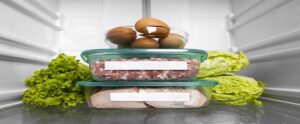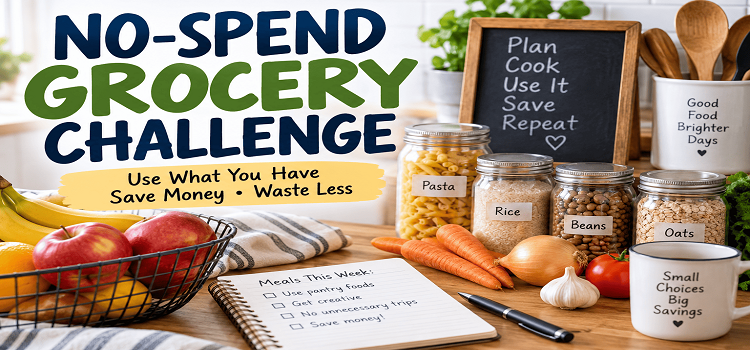
No-spend challenge grocery rules help families reduce food spending by using what they already have before buying more. But the challenge is not simply about avoiding the grocery store. Without clear rules, it is easy to overspend on “essentials,” stock up before starting, waste food, or replace grocery spending with takeout. A better approach is to shop your pantry, freezer, and fridge first, set limits for necessary fresh foods, plan meals around what is available, and avoid unnecessary purchases. In this guide, you will learn practical grocery rules that make a no-spend challenge easier, realistic, and more effective for your family.
What Are No-Spend Challenge Grocery Rules?
No-spend challenge grocery rules are simple limits that help you stop unnecessary grocery spending for a set period. Most families use food already in the pantry, refrigerator, and freezer while allowing only a few essential purchases, such as milk, fresh produce, or baby supplies. The exact rules depend on your household’s needs.
A grocery no-spend challenge can last a weekend, one week, two weeks, or even a full month. The goal is not to stop eating well. It is to become more intentional about what you buy and use the food you already paid for.
Basic Rules for a Grocery No-Spend Challenge
- Use food at home first.
Build meals around ingredients already sitting in your pantry, freezer, and refrigerator. - Avoid unnecessary grocery trips.
Stay out of the store unless you need something that fits your approved exceptions. - Set your exceptions before you start.
Decide whether you will allow basics such as milk, eggs, bread, fruit, vegetables, formula, or medications. - Do not stock up before the challenge.
Buying two weeks of extra groceries the day before defeats the purpose. - Avoid takeout as a replacement.
A $30 restaurant order does not count as saving money because you skipped a $15 grocery trip. - Use leftovers before cooking something new.
Plan leftover nights so cooked food does not end up in the trash. - Track every grocery purchase.
Write down anything you buy during the challenge. This makes small spending leaks easier to spot.
These rules give your family clear boundaries without making the challenge unrealistic. The best no-spend grocery challenge is strict enough to reduce spending but flexible enough that your family can actually finish it.
10 More No-Spend Challenge Grocery Rules
- Plan meals around what will expire first.
Use fresh produce, dairy, leftovers, and opened ingredients before shelf-stable foods. This helps prevent waste and makes the challenge more effective. - Shop your freezer before your pantry.
Frozen meat, vegetables, bread, and prepared meals can easily be forgotten. Check the freezer first when planning dinners. - Create a simple meal plan.
Write down meals for the next few days based on what you already have. A basic plan reduces the temptation to buy extra ingredients. - Use substitutions instead of buying missing ingredients.
If a recipe calls for something you do not have, look for an alternative already in your kitchen. Swap vegetables, grains, sauces, or proteins when possible. - Keep a running food inventory.
Make a quick list of what is in your pantry, fridge, and freezer. This makes meal planning faster and prevents you from forgetting usable food. - Set a small emergency grocery budget if needed.
Families with children may need a little flexibility. Set a fixed amount for genuine essentials instead of allowing unlimited grocery spending. - Avoid convenience foods during the challenge.
Pre-cut fruit, snack packs, frozen meals, and single-serve items can quickly increase spending. Use basic ingredients and simple homemade meals instead. - Use pantry staples creatively.
Rice, pasta, beans, oats, canned vegetables, flour, and potatoes can form the base of several low-cost meals when fresh ingredients run low. - Do not use coupons as an excuse to shop.
A discount still costs money. Only use a coupon if the item is already on your approved essentials list and you genuinely need it. - Save the money you did not spend.
At the end of the challenge, compare your normal grocery budget with what you actually spent. Move the difference into savings, debt repayment, or another family goal.
These 17 no-spend challenge grocery rules create clear boundaries while still leaving room for real family needs. The goal is not perfection. It is to reduce unnecessary grocery spending, use food before it goes to waste, and become more aware of where your food budget is going.
How to Start a No-Spend Grocery Challenge
A no-spend grocery challenge starts by checking the food you already have, choosing a realistic time period, setting clear exceptions, and planning meals before spending anything. Families usually succeed when the rules are decided in advance instead of making spending decisions each time they run out of an ingredient.
Steps to Start Your Grocery No-Spend Challenge
- Choose your challenge length.
Start with 7 days if this is your first challenge. Once your family gets comfortable, try two weeks or even a full month. - Take inventory of your food.
Check your pantry, refrigerator, and freezer. Write down meats, grains, canned foods, vegetables, snacks, breakfast foods, and ingredients that need to be used soon. - Identify food that may expire.
Put produce, dairy, leftovers, and opened packages at the top of your meal plan. Using these first can prevent food waste. - Decide what you are allowed to buy.
Create a short essentials list before the challenge begins. This might include milk, eggs, fresh fruit, vegetables, baby formula, or other genuine household needs. - Set an emergency grocery limit.
If a complete spending freeze is unrealistic, give yourself a small fixed budget. For example, a family might allow $20 or $30 for necessary fresh foods during the week. - Build meals from what you own.
Look at your inventory and match ingredients together. Keep meals simple. Pasta, soups, casseroles, rice bowls, sandwiches, breakfast-for-dinner, and leftovers can stretch food further. - Plan flexible meals instead of exact recipes.
Do not choose recipes that require several missing ingredients. Build meals around categories such as “rice bowl night” or “pasta night” so you can use whatever is available. - Tell the whole family the rules.
Make sure everyone understands what counts as an approved purchase. This can prevent quick snack runs, takeout orders, and impulse grocery trips. - Track what you spend.
Record every purchase, even if it is only a few dollars. Small exceptions can quickly turn into normal grocery spending if you stop paying attention. - Calculate your savings at the end.
Compare what you normally spend on groceries with what you spent during the challenge. This shows whether the challenge actually reduced your food bill.
[✔] Start small: A successful 7-day challenge is more useful than an unrealistic 30-day challenge you abandon after three days.
[✔] Do not chase perfection: If you need milk for your children or an essential ingredient, buy it within your rules and continue the challenge.
[✔] Keep your savings separate: Move the money you saved toward an emergency fund, debt payment, or another family goal instead of spending it somewhere else.
Money-Saving Tips for a No-Spend Grocery Challenge
The best way to save more during a no-spend grocery challenge is to make every ingredient last longer, prevent food waste, and avoid purchases that seem small but add up quickly. Simple habits such as freezing leftovers, stretching proteins, cooking from scratch, and planning flexible meals can make your existing groceries last much longer.
Simple Ways to Stretch Your Grocery Budget
[✔] Use the oldest food first.
Keep foods that need to be eaten soon at the front of your fridge or pantry. This reduces the chance of finding spoiled food later.
[✔] Freeze food before it goes bad.
Freeze bread, meat, fruit, vegetables, cooked rice, sauces, and leftovers when you know your family will not eat them in time.
[✔] Stretch expensive proteins.
Use smaller amounts of meat with beans, lentils, rice, pasta, potatoes, or vegetables. One pound of meat can often cover more than one family meal.
[✔] Turn leftovers into a new meal.
Leftover chicken can become tacos, soup, sandwiches, or rice bowls. Cooked vegetables can go into omelets, pasta, casseroles, or soups.
[✔] Make snacks from what you already have.
Popcorn, toast, fruit, oatmeal, yogurt, homemade muffins, and crackers with peanut butter can replace expensive packaged snacks.
[✔] Cook simple meals.
A no-spend challenge is not the best time for complicated recipes. Choose meals that use fewer ingredients and can easily be changed based on what is available.
[✔] Use every part of an ingredient.
Vegetable scraps can become stock. Overripe bananas can become oatmeal or muffins. Stale bread can become breadcrumbs, croutons, or French toast.
[✔] Serve smaller portions first.
Family members can always take seconds. Smaller first servings reduce the amount of uneaten food left on plates.
[✔] Have a leftover night each week.
Put several small leftovers on the table and let everyone choose what they want. This can clear the fridge without cooking another full meal.
[✔] Drink what you already have.
Water, homemade tea, coffee, or drinks already in the house can help you avoid extra spending on soda, juice, and bottled beverages.
[✔] Stay away from grocery stores when possible.
Even a quick trip for one item can turn into several impulse purchases. If something is missing, first ask whether you can substitute it or make the meal without it.
The biggest savings usually come from changing how you use food, not from finding another coupon or sale. Every meal made from ingredients already at home moves you closer to finishing the challenge without unnecessary grocery spending.
What Can You Buy During a No-Spend Grocery Challenge?
During a no-spend grocery challenge, you should only buy items your family truly needs and cannot reasonably replace with food already at home. Common exceptions include milk, fresh produce, baby formula, medical foods, and basic staples. The key is deciding these exceptions before the challenge starts.
Grocery Items You May Allow
- Milk and essential dairy products
If your family regularly uses milk, allow a limited amount rather than treating every dairy item as essential. - Fresh fruits and vegetables
Fresh produce can be a reasonable exception, especially if your pantry and freezer contain few alternatives. - Baby formula and baby food
These should never be skipped just to maintain a no-spend streak. Keep necessary baby items on your approved list. - Medical or dietary necessities
Buy foods required for allergies, medical diets, or other genuine health needs. - Basic staples you completely run out of
Some families allow basics such as bread, eggs, flour, or cooking oil. Keep this list short so it does not become a normal grocery trip. - School lunch essentials
If your children need specific foods for school and there is no practical substitute at home, include them in your exceptions.
What You Should Usually Avoid Buying
[✔] Snacks simply because your favorite ones are gone.
[✔] Soda, juice, candy, and other treats.
[✔] Extra meat when usable protein is already in the freezer.
[✔] Ingredients needed for only one specific recipe.
[✔] Sale items you do not currently need.
[✔] Bulk purchases made only because the price looks good.
[✔] Convenience foods when you already have ingredients to make a meal.
[✔] Takeout because you do not feel like cooking.
A simple test can help: “Do we genuinely need this before the challenge ends, or do we simply want it?”
If the answer is “want,” leave it at the store.
A Simple Grocery Exception Rule
Before buying anything, ask these three questions:
- Do we already have something that can replace it?
- Will going without it create a real problem for the family?
- Was this item included in our challenge rules?
If the answer to the first question is yes, use what you have. If the answer to the other two questions is no, the purchase can probably wait.
This approach keeps a grocery spending freeze realistic without giving every small purchase an automatic exception.
Best Meals for a No-Spend Grocery Challenge
The best no-spend challenge meals use flexible ingredients you already have instead of requiring a new grocery list. Pantry staples, frozen foods, leftovers, and basic proteins can become filling family meals. Focus on simple combinations that allow substitutions so one missing ingredient does not send you back to the store.
Breakfast Ideas
- Oatmeal with pantry toppings
Use oats with cinnamon, peanut butter, frozen fruit, raisins, honey, or whatever toppings are already available. - Eggs and toast
Add leftover vegetables, cheese, potatoes, or meat if you have them. - Pancakes or waffles
Basic pantry ingredients can create an inexpensive breakfast without buying boxed mixes. - Breakfast-for-dinner leftovers
Save extra pancakes, eggs, or potatoes for another meal later in the week.
Lunch Ideas
- Leftover bowls
Combine leftover rice, vegetables, beans, meat, or sauce into one simple meal. - Soup from odds and ends
Use broth, canned vegetables, beans, pasta, rice, potatoes, and leftover meat. - Sandwiches and wraps
Use bread, tortillas, leftover chicken, eggs, tuna, cheese, peanut butter, or whatever fillings are available. - Baked potatoes
Top potatoes with beans, cheese, leftover meat, vegetables, or sauces.
Dinner Ideas
- Pantry pasta
Combine pasta with canned tomatoes, sauce, vegetables, cheese, meat, or simple oil and seasonings. - Rice and bean bowls
Add salsa, frozen vegetables, eggs, leftover meat, cheese, or seasonings based on what you have. - Clean-out-the-fridge soup
Soup is one of the easiest ways to use small amounts of vegetables, meat, grains, and leftovers before they spoil. - Casseroles
Combine a starch, protein, vegetables, sauce, and toppings. Exact ingredients can change depending on your pantry. - Tacos or quesadillas
Tortillas can hold beans, leftover meat, vegetables, rice, eggs, or cheese. - Homemade pizza
Use bread, tortillas, English muffins, or homemade dough as the base. Add whatever sauce, cheese, vegetables, or leftovers you have.
No-Spend Snack Ideas
[✔] Popcorn
[✔] Toast with peanut butter
[✔] Homemade muffins
[✔] Fresh or frozen fruit
[✔] Yogurt with oats
[✔] Crackers and cheese
[✔] Hard-boiled eggs
[✔] Homemade trail mix using pantry ingredients
[✔] Vegetables with homemade dip
[✔] Leftover pancakes or waffles
The easiest way to complete a grocery no-spend challenge is to stop expecting every meal to look perfect. Some dinners may be unusual combinations. That is fine. Using what you already own is the point, and flexible meals can prevent both food waste and unnecessary grocery trips.
Common No-Spend Grocery Challenge Mistakes to Avoid
The biggest no-spend grocery challenge mistakes are creating rules that are too strict, buying extra food before starting, replacing groceries with takeout, and ignoring food already at home. A successful challenge should reduce total food spending, not simply move spending from one category to another.
Mistakes That Can Ruin Your Challenge
- Stocking up before the challenge starts
Spending $150 on extra groceries the day before a no-spend week does not create real savings. Start with what you normally have at home. - Making the rules too strict
A rule such as “we cannot buy anything under any circumstances” may fail quickly for families with children. Allow reasonable essentials when necessary. - Ordering takeout instead of buying groceries
Skipping the grocery store does not help if your restaurant spending increases. Takeout should normally follow the same no-spend rules. - Forgetting what is in the freezer
Frozen meat, vegetables, bread, fruit, and leftovers are easy to overlook. Check your freezer before deciding that you have nothing to cook. - Planning meals that require missing ingredients
Avoid recipes that require several new purchases. Choose meals around ingredients already available. - Buying something just because it is on sale
A good deal is still spending. During the challenge, buying an unnecessary $5 item does not save $3. It costs $5. - Ignoring leftovers
Cooking new meals while leftovers sit in the refrigerator increases food waste and shortens how long your groceries will last. - Using every exception as permission to shop
Going into the store for milk can easily become a $40 grocery trip. Buy the approved item and leave. - Trying to make every meal perfect
Your meals may become simpler near the end of the challenge. That is normal. You do not need a different protein, vegetable, and side dish every night. - Not tracking how much you saved
Without comparing your normal grocery spending with your challenge spending, you will not know whether the experiment worked.
The Rule That Prevents Most Mistakes
Before spending money on food, ask:
“Will buying this help us meet a genuine need, or am I buying it because using what we have is less convenient?”
That one question can stop many impulse purchases.
[✔] Make your rules before the challenge begins.
[✔] Keep exceptions specific rather than saying “essentials are allowed.”
[✔] Continue after a mistake instead of abandoning the entire challenge.
[✔] Focus on lowering your total food spending, not maintaining a perfect no-spend record.
One unplanned purchase does not mean the challenge has failed. Record it, adjust your plan, and continue using what you already have.
Why a No-Spend Grocery Challenge Works for Families
A no-spend grocery challenge works because it temporarily removes routine shopping and forces your family to use food already purchased. This can lower grocery spending, reduce food waste, reveal buying habits, and make meal planning more intentional. The biggest benefit is learning which grocery expenses are necessary and which are simply habits.
Benefits of Following No-Spend Challenge Grocery Rules
- You can lower your grocery bill quickly.
Even one week without a normal grocery trip can create noticeable savings, especially if your family usually makes several small trips during the week. - You use food before it gets wasted.
Forgotten freezer food, canned goods, produce, and leftovers finally become part of your meal plan instead of ending up in the trash. - You learn what is actually in your kitchen.
Many families continue buying the same foods while older ingredients sit untouched. A pantry challenge shows you what you already own. - You become better at meal planning.
Instead of choosing meals first and buying everything needed, you learn to start with available ingredients and build meals around them. - You spot unnecessary grocery habits.
The challenge may reveal how often you buy extra snacks, make unplanned grocery trips, or purchase ingredients for recipes you never make. - You reduce impulse purchases.
Fewer trips to the grocery store mean fewer chances to add items that were never part of your original plan. - You can reset an overspent grocery budget.
If you have already spent too much this month, a short grocery spending freeze can help slow spending until the next budget period. - Your family learns to be more flexible with food.
Everyone may have to eat leftovers, accept substitutions, or choose from what is available rather than requesting a new grocery item. - You discover which staples are worth keeping.
After the challenge, you will have a clearer idea of which pantry and freezer foods actually help you make quick family meals. - The savings can support another financial goal.
Money not spent on unnecessary groceries can go toward an emergency fund, debt, upcoming bills, or another family priority.
A No-Spend Challenge Is More Than a One-Time Savings Trick
The real value is what happens after the challenge ends.
You may discover that your family can shop less often, keep a smaller grocery list, use leftovers more consistently, and plan meals without buying a long list of new ingredients every week.
[✔] Keep the grocery habits that made the biggest difference.
[✔] Write down foods your family used most often.
[✔] Notice which foods sat untouched even during the challenge.
[✔] Use what you learned to create a leaner weekly grocery list.
[✔] Repeat a pantry or freezer challenge whenever food starts piling up again.
A no-spend grocery challenge does not need to become your permanent way of shopping. It works best as a reset that helps you understand your food habits and build a grocery budget that wastes less money.
How Long Should a No-Spend Grocery Challenge Last?
A no-spend grocery challenge can last anywhere from a few days to a full month, but most families should start with 7 days. The right length depends on how much food you already have, your household size, dietary needs, and how comfortable your family is with using pantry and freezer food.
Choose the Right Challenge Length
- 3-Day No-Spend Challenge
This is a good starting point if you have never tried a grocery spending freeze. Focus on using leftovers and food that needs to be eaten soon. - 7-Day No-Spend Challenge
One week is realistic for most families. It gives you enough time to use forgotten pantry items without making the challenge feel overwhelming. - 14-Day No-Spend Challenge
Two weeks works well if your freezer and pantry are full. You will need more flexible meal planning and may need a small allowance for fresh food. - 30-Day No-Spend Grocery Challenge
A full month is much harder. Most families will need approved purchases for milk, produce, eggs, bread, or other essentials while avoiding normal grocery shopping.
How to Know When to Stop
Your challenge does not need to continue until every shelf is empty.
Consider ending or adjusting it when:
[✔] You are running low on basic ingredients needed for balanced meals.
[✔] Your children no longer have reasonable breakfast, lunch, or snack options.
[✔] Dietary or medical needs cannot be met with what remains.
[✔] Continuing would require buying expensive takeout instead.
[✔] You have already reached the savings goal you set.
The purpose is to reduce unnecessary grocery spending, not make family meals difficult.
For most households, a 7-day no-spend grocery challenge offers the best balance. It is long enough to expose spending habits and clear out forgotten food, but short enough to stay practical.
Once you finish one week successfully, you can decide whether a longer pantry challenge makes sense for your family.
What is a no-spend grocery challenge?
A no-spend grocery challenge is a temporary period when you stop normal grocery shopping and use food already in your pantry, fridge, and freezer. Some families allow a small number of essential purchases. The goal is to reduce unnecessary spending, prevent food waste, and reset grocery habits.
Can you buy groceries during a no-spend challenge?
Yes, if your rules allow specific essentials. Many families permit milk, eggs, bread, fresh produce, baby formula, or foods required for medical needs. The important part is deciding these exceptions before starting so a few necessary purchases do not turn into a full grocery shopping trip.
How do you do a no-spend challenge when you have kids?
Keep the challenge flexible and make sure your children still have enough appropriate meals and snacks. Check what you already have, plan familiar meals, and allow necessary foods such as milk or fresh fruit. A family no-spend challenge should reduce waste and spending without making children go without needed food.
What if I run out of food during a no-spend challenge?
First, check your pantry, freezer, and fridge for substitutes or ingredients that can create another meal. If you genuinely cannot make adequate meals with what remains, buy the essentials you need. Running out of necessary food is a reason to adjust the challenge, not continue it at the expense of your family.
Is a pantry challenge the same as a no-spend grocery challenge?
They are similar, but the goals can be slightly different. A pantry challenge focuses mainly on using stored food before buying more. A no-spend grocery challenge places stronger limits on spending. Many families combine both approaches by eating through their pantry and freezer while avoiding unnecessary grocery purchases.
How much money can you save with a no-spend grocery challenge?
Savings depend on your normal grocery budget and challenge length. Instead of focusing on a fixed amount, compare what you normally spend during the same period with what you actually spent. If you usually spend $200 a week and spend only $30 on approved essentials, the difference is $170.
Can I use coupons during a no-spend grocery challenge?
Only if the purchase already fits your rules. A coupon does not make an unnecessary item free unless the final cost is truly zero. Buying something because it is discounted can defeat the purpose of the challenge. Focus on using what you have rather than finding reasons to keep shopping.
What should I do with the money I save?
Give the savings a purpose before the challenge ends. You could move the money to an emergency fund, make an extra debt payment, cover an upcoming bill, or save toward a family goal. Separating the savings helps prevent the money from simply disappearing into another spending category.
Final Thoughts on No-Spend Challenge Grocery Rules
No-spend challenge grocery rules give families a simple way to cut food costs, use what they already have, and reduce waste without making meals complicated. The key is to set clear limits, allow realistic essentials, plan around your pantry and freezer, and track what you actually save.
Start with a 7-day no-spend grocery challenge this week. Write down your allowed exceptions, take a quick food inventory, and plan your first few meals before spending anything.
Then compare your grocery spending at the end of the week.
You may be surprised by how much food—and money—was already sitting at home.
Try the challenge this week, and share how much your family saved.