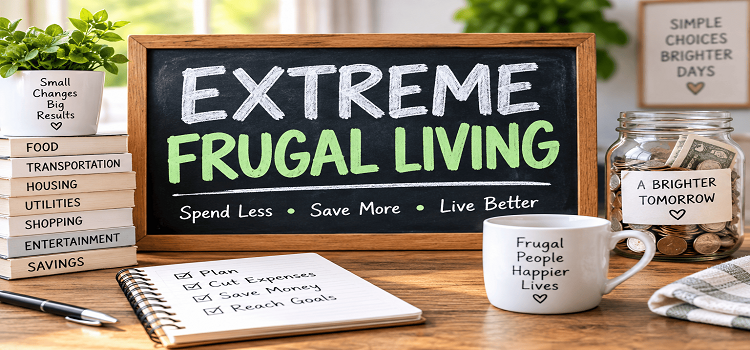
Extreme frugal living can help families cut expenses fast when the budget feels too tight and regular saving methods are no longer enough. It means making stronger, more intentional changes to how you spend, shop, eat, travel, and manage everyday bills. The goal is not to make life miserable. It is to remove waste, lower monthly costs, and keep more money for essentials, savings, and debt payoff. In this guide, you will learn practical extreme frugal living strategies, fast ways to reduce household expenses, and simple methods families can use to save money without losing control of daily life.
What Is Extreme Frugal Living?
Extreme frugal living is a focused way of cutting spending by removing unnecessary costs, reducing expensive habits, and finding cheaper ways to meet everyday needs. Unlike basic budgeting, it often involves bigger lifestyle changes designed to lower monthly expenses quickly, increase savings, pay off debt, or survive a period of financial pressure.
What Extreme Frugal Living Looks Like in Real Life
- Cutting nonessential subscriptions
Cancel streaming services, apps, memberships, and other recurring charges you rarely use. - Cooking almost every meal at home
Reduce restaurant meals, delivery fees, convenience foods, and expensive takeout. - Using what you already own
Repair, reuse, repurpose, or borrow before buying something new. - Reducing grocery spending aggressively
Plan meals around low-cost foods, shop your pantry first, compare prices, and avoid food waste. - Driving less whenever possible
Combine errands, carpool, walk, or use public transportation to reduce fuel costs. - Buying secondhand instead of new
Look for used clothing, furniture, toys, tools, and household items when it makes financial sense. - Lowering household bills
Reduce electricity, water, internet, phone, and insurance costs wherever possible. - Following a strict no-spend rule
Temporarily stop spending on wants so more income can go toward bills, savings, or debt.
Extreme frugality works best when it is intentional rather than permanent deprivation. The strongest approach is to cut hard in areas that matter less to your family while protecting essentials such as food quality, health, safety, housing, and necessary transportation.
Extreme Frugal Living Ways to Cut Expenses Fast
The fastest way to cut expenses with extreme frugal living is to attack the biggest flexible costs first. Food, subscriptions, transportation, shopping, utilities, and entertainment often offer the quickest savings. Small cuts help, but larger recurring expenses usually create more room in the family budget within weeks.
Best Ways to Cut Household Expenses Quickly
- Cancel everything you do not actively use
Check streaming services, apps, memberships, cloud storage, subscriptions, and automatic renewals. Even several small charges can quietly drain the budget every month. - Stop eating out for 30 days
Restaurant meals, takeout, coffee runs, and delivery fees can add up fast. Cook at home and pack meals when leaving the house. - Create a bare-bones grocery budget
Focus meals around affordable staples such as rice, beans, pasta, eggs, oats, potatoes, frozen vegetables, and seasonal produce. - Use a pantry-first meal plan
Before shopping, build several meals around food already in your freezer, refrigerator, and pantry. This reduces both grocery spending and food waste. - Pause nonessential shopping
Put clothing, home decor, gadgets, beauty extras, toys, and impulse purchases on hold unless something truly needs replacing. - Switch to cheaper phone and internet plans
Review your current plan and remove features you do not need. A lower monthly bill produces savings every single month. - Reduce driving costs
Combine errands into one trip, avoid unnecessary drives, keep tires properly inflated, and compare fuel prices before filling up. - Lower energy use at home
Turn off unused lights, adjust heating and cooling, wash full laundry loads, unplug unused electronics, and avoid running appliances unnecessarily. - Use free entertainment
Replace expensive outings with parks, libraries, free community events, family game nights, hiking, movie nights at home, and backyard activities. - Buy used before buying new
Secondhand stores, local marketplaces, garage sales, and family hand-me-downs can reduce the cost of clothing, furniture, books, toys, and household items.
These changes work because they target recurring expenses and frequent spending habits instead of relying only on tiny sacrifices. Start with the three costs taking the most money from your budget and work down from there.
Extreme Frugal Living for Food and Groceries
Food is one of the easiest household expenses to reduce quickly because families make grocery and meal decisions every week. Extreme frugal living focuses on simple meals, strict planning, pantry use, lower-cost ingredients, and less waste. The goal is to spend less without skipping meals or sacrificing basic nutrition.
Extreme Ways to Lower Your Grocery Bill
- Plan meals around what you already have
Check your pantry, freezer, and refrigerator before making a grocery list. Use older food first so nothing gets wasted. - Build meals around cheap staples
Rice, beans, lentils, oats, potatoes, pasta, eggs, and frozen vegetables can stretch meals without costing much. - Cook from scratch more often
Premade meals, snack packs, and convenience foods usually cost more. Simple homemade meals can lower your cost per serving. - Eat leftovers on purpose
Plan one or two leftover nights each week. This prevents food waste and reduces the temptation to order takeout. - Buy store brands first
Compare unit prices instead of automatically choosing familiar brands. Store-brand basics are often cheaper for similar products. - Shop with a fixed grocery limit
Decide how much you can spend before entering the store. Keep a running total while shopping so you do not go over budget. - Reduce expensive meat meals
Use smaller portions of meat and add beans, lentils, eggs, or vegetables to stretch meals further. - Stop buying food for “just in case”
Stocking up only saves money when you actually use the food. Avoid buying extras simply because something is on sale. - Freeze food before it spoils
Freeze bread, meat, cooked meals, fruit, and other foods you cannot use in time. - Make snacks at home
Popcorn, fruit, toast, homemade muffins, yogurt, and simple sandwiches usually cost less than individually packaged snacks.
Simple Rules That Keep Food Spending Low
✔ Eat before grocery shopping so hunger does not drive impulse purchases.
✔ Shop with a list and avoid adding unplanned items.
✔ Compare price per ounce or unit, not just package price.
✔ Use leftovers for lunches before cooking something new.
✔ Keep several cheap emergency meals at home to avoid last-minute takeout.
✔ Track food waste for one week and stop buying the items your family regularly throws away.
Extreme grocery savings come from repeating these habits every week. Cutting even a small amount from each grocery trip can create meaningful monthly savings without making family meals complicated.
Extreme Frugal Living for Household Bills
Extreme frugal living can lower household bills by reducing unnecessary usage, renegotiating services, and removing recurring costs that provide little value. Utilities, internet, phone plans, insurance, and subscriptions can quietly consume hundreds of dollars each month. Cutting these expenses creates ongoing savings without requiring daily spending decisions.
Ways to Reduce Monthly Household Bills
- Lower heating and cooling costs
Adjust the thermostat when you are sleeping or away from home. Use fans, curtains, blankets, and natural ventilation before relying heavily on heating or air conditioning. - Use less electricity
Turn off lights when leaving rooms, run full dishwasher and laundry loads, and avoid leaving electronics running when nobody is using them. - Cut unnecessary water use
Take shorter showers, repair leaks quickly, run full laundry loads, and avoid letting water run while brushing teeth or washing dishes. - Downgrade your phone plan
Check how much data your family actually uses. Moving to a cheaper plan or prepaid provider can reduce the bill without changing how you use your phone. - Negotiate your internet bill
Contact your provider and ask about lower-priced plans, current promotions, or slower speeds that still meet your family’s needs. - Cancel unused subscriptions
Review streaming services, software, apps, memberships, meal services, and subscription boxes. Keep only the ones your family uses regularly. - Review insurance costs
Compare rates when policies renew. Ask about discounts, bundled policies, and whether your current coverage still matches your needs. - Avoid paying convenience fees
Late fees, ATM fees, delivery charges, and unnecessary banking fees provide no real value. Set reminders or automatic payments for essential bills when appropriate. - Reduce laundry costs
Wash full loads, use cold water when suitable, measure detergent instead of pouring freely, and air-dry clothes when practical. - Repair before replacing
A small repair may cost far less than replacing an appliance, piece of furniture, or household item. Check whether something can be fixed before buying new.
A Fast Monthly Bill Audit
Go through your bank and credit card statements and write down every recurring payment. Then ask three questions about each one:
✔ Do we still need this?
✔ Can we get it cheaper?
✔ Can we reduce how much we use it?
Even cutting $20 from five monthly bills saves $100 per month, or $1,200 per year. Extreme frugal living becomes much easier when you reduce fixed costs because the savings continue automatically month after month.
Extreme Frugal Living for Transportation
Transportation costs can take a large share of a family budget, especially when fuel, insurance, maintenance, parking, and car payments are included. Extreme frugal living reduces these costs by driving less, planning trips carefully, maintaining vehicles properly, and avoiding unnecessary upgrades. Even small changes can produce steady monthly savings.
Best Ways to Cut Transportation Costs
- Combine errands into one trip
Plan grocery shopping, appointments, school pickups, and other errands together. Fewer trips mean less fuel use and less wear on your vehicle. - Walk or bike for short trips
When it is safe and practical, walking or biking can replace short car trips and reduce fuel costs. - Carpool whenever possible
Share rides for school, work, sports, or family activities. Splitting transportation can reduce both fuel and parking expenses. - Keep your current car longer
A reliable paid-off vehicle can be cheaper than taking on a new monthly car payment. Maintain it well and avoid upgrading only for appearance or features. - Compare auto insurance rates
Shop around before renewing. Ask about safe-driver discounts, multi-policy discounts, mileage-based options, and other available savings. - Plan fuel purchases
Avoid making extra trips just to find slightly cheaper gas. Instead, compare prices along routes you already use and fill up when convenient. - Maintain proper tire pressure
Check your tires regularly and follow the vehicle manufacturer’s recommended pressure. Proper maintenance can help reduce uneven wear and avoid unnecessary repairs. - Keep up with basic maintenance
Oil changes, fluid checks, tire rotations, and small repairs can help prevent larger and more expensive problems later. - Avoid unnecessary parking fees
Use free parking when practical, combine paid-parking errands, and check whether public transportation costs less for certain trips. - Delay vehicle upgrades
New cars, premium trims, larger SUVs, and frequent trade-ins can increase payments, insurance, and registration costs. Upgrade only when your current vehicle no longer meets your family’s needs.
Extreme Transportation Rules That Save More
✔ Use one vehicle instead of two when your household can realistically manage it.
✔ Remove unnecessary items from your car that encourage impulse purchases, such as unused toll plans or paid parking subscriptions.
✔ Plan weekly errands before leaving home.
✔ Avoid financing a vehicle based only on the monthly payment. Look at the total cost.
✔ Keep an emergency maintenance fund so repairs do not automatically turn into credit card debt.
Transportation savings can become significant because many of these costs repeat every month. Reducing driving and avoiding unnecessary vehicle debt can free up far more money than cutting a few small daily purchases.
Extreme Frugal Living for Shopping and Everyday Spending
Extreme frugal living reduces everyday spending by making buying the last option instead of the first. Families can save money by delaying purchases, buying used, borrowing, repairing, and using what they already own. These habits help stop impulse spending and keep small purchases from quietly damaging the monthly budget.
Ways to Spend Less on Everyday Purchases
- Use a 72-hour waiting rule
Wait at least three days before buying nonessential items. Many impulse purchases lose their appeal once the initial urge passes. - Shop your home first
Before buying storage containers, clothes, school supplies, tools, or household items, check what you already own. - Buy secondhand whenever it makes sense
Look for used clothing, furniture, books, toys, sports equipment, and household goods before paying full price for new items. - Repair instead of replace
Fix torn clothes, loose furniture, small appliances, toys, and other items when repairs cost less than replacement. - Borrow rarely used items
Tools, party supplies, camping equipment, ladders, and specialty kitchen items may only be needed occasionally. Borrowing can eliminate the purchase completely. - Stop browsing stores for entertainment
Walking through stores or scrolling shopping apps can create wants you did not have before. Shop only when you have a specific need. - Remove saved payment information
Making online purchases slightly less convenient can give you more time to reconsider unnecessary spending. - Unsubscribe from promotional emails and texts
Sales messages are designed to encourage spending. Removing them can reduce temptation and impulse purchases. - Choose function over appearance
Buy items because they solve a real problem, not because a newer color, design, or version looks better. - Use things until they actually need replacing
Clothes, phones, furniture, kitchen equipment, and electronics do not need replacing simply because newer versions exist.
Extreme No-Buy Rules That Can Save Money Fast
✔ Buy only essentials for the next 30 days.
✔ Keep a written list of purchases you want instead of buying them immediately.
✔ Avoid “buy now, pay later” for nonessential purchases.
✔ Do not shop because something is on sale. A discount still costs money.
✔ Use cash or a fixed spending limit for categories where you tend to overspend.
✔ Replace shopping-based entertainment with free family activities.
A temporary no-buy challenge can make spending habits easier to see. It also creates a clear reset period where families can focus on necessities, use what they already have, and direct extra money toward savings or debt.
Extreme Frugal Living for Housing and Home Costs
Housing is often the biggest expense in a family budget, so even one change can save more than dozens of small spending cuts. Extreme frugal living focuses on lowering housing-related costs through smarter space use, cheaper routines, simple maintenance, and careful decisions about rent, mortgages, repairs, and household purchases.
Ways to Reduce Housing Costs
- Use the space you already have
Before moving to a larger home, look for ways to reorganize rooms, storage, and shared spaces. More space usually means higher rent, utilities, furniture, and maintenance costs. - Avoid unnecessary home upgrades
Delay cosmetic renovations, new furniture, decor changes, and appliance upgrades unless they solve a real problem. - Handle simple maintenance yourself
Learn basic tasks such as replacing filters, fixing small leaks, patching minor wall damage, and maintaining appliances when it is safe to do so. - Prevent expensive repairs early
Small problems can become costly when ignored. Check for leaks, moisture, clogged drains, damaged seals, and unusual appliance problems before they get worse. - Buy household items secondhand
Furniture, shelving, tools, storage solutions, and basic home goods can often be found used for much less than retail prices. - Use one room instead of heating or cooling the whole house
When practical, spend more time together in one comfortable area rather than heavily heating or cooling unused rooms. - Reduce clutter before buying storage
Selling, donating, or removing unused items may solve a storage problem without buying containers, shelving, or larger furniture. - Review housing costs before renewing
Renters can compare nearby options before signing another lease. Homeowners can review insurance, taxes, and eligible refinancing options carefully rather than assuming current costs cannot change. - Consider sharing housing costs
In the right situation, living with family, adding a roommate, or sharing certain household expenses can reduce costs significantly. Only use arrangements that are safe, legal, and practical for your family. - Do not let lifestyle upgrades raise fixed expenses
A bigger home, newer furniture, or more expensive neighborhood can permanently increase monthly costs. Protect your budget by keeping housing below what you can comfortably afford.
Extreme Home-Saving Habits
✔ Keep a small home-maintenance fund for repairs.
✔ Use furniture and appliances until replacement is truly necessary.
✔ Sell unused household items instead of storing them indefinitely.
✔ Compare repair costs before replacing expensive items.
✔ Avoid financing furniture and home decor.
✔ Reduce unused rooms, storage units, and paid services where possible.
Housing cuts can make the biggest difference in an extreme frugal living plan. Saving $200 on a recurring housing-related expense has far more impact than trying to eliminate dozens of tiny purchases every month.
Extreme Frugal Living for Family Entertainment
Extreme frugal living does not mean families must stop having fun. It means replacing expensive entertainment with free or low-cost activities that still create good family time. Parks, libraries, community events, home activities, and simple traditions can reduce entertainment spending without making children feel like every enjoyable activity has been removed.
Free and Cheap Family Entertainment Ideas
- Use your local library
Libraries can provide free books, movies, children’s programs, digital resources, workshops, and special events. - Visit parks and playgrounds
Pack snacks or lunch from home and turn a regular park visit into a low-cost family outing. - Create movie nights at home
Choose a movie you already have access to, make popcorn, turn off the lights, and let the kids create tickets or blankets for the setup. - Plan no-spend weekends
Pick one weekend each month when the family spends nothing on entertainment. Plan activities ahead so staying home does not feel boring. - Look for free community events
Local festivals, concerts, school events, museums, recreation centers, and community organizations may offer free activities throughout the year. - Have family game nights
Use games, puzzles, cards, or activities you already own instead of paying for an outing. - Spend more time outdoors
Walking, hiking, biking, picnics, backyard games, nature scavenger hunts, and playground trips can provide hours of free entertainment. - Rotate toys instead of buying more
Put some toys away for several weeks and bring them back later. Old toys can feel new again without another purchase. - Create low-cost family traditions
Friday pizza made at home, Saturday morning pancakes, evening walks, backyard camping, or monthly family game nights can become traditions children remember. - Use memberships only when the math works
A zoo, museum, or attraction membership can save money for families who visit often. But paying for memberships that rarely get used wastes money.
Rules for Keeping Family Fun Affordable
✔ Pack drinks and snacks before leaving home.
✔ Check for free admission days before paying full price.
✔ Give children a small entertainment budget instead of buying extras throughout an outing.
✔ Avoid souvenir shops unless a purchase was planned in advance.
✔ Use birthdays and holidays to request experience gifts or memberships the family will actually use.
✔ Keep a list of free activities ready for weekends when everyone says, “There’s nothing to do.”
Extreme frugality becomes easier to maintain when the family still has things to look forward to. The goal is not to eliminate fun. It is to stop assuming that meaningful family time has to cost money.
How to Start Extreme Frugal Living
The best way to start extreme frugal living is to find where your money is going, protect essential expenses, and cut the largest unnecessary costs first. Trying to change everything at once can lead to burnout. A short, focused plan helps families reduce expenses quickly while keeping the changes realistic enough to maintain.
Steps to Start an Extreme Frugal Lifestyle
- Track every expense for 30 days
Review bank statements, credit cards, bills, and cash purchases. Write down everything your family spends so you can see exactly where money is leaking. - Separate needs from wants
Keep housing, basic food, utilities, transportation, insurance, medicine, and necessary family expenses protected. Everything else should be reviewed. - Create a bare-bones budget
Build a temporary budget that covers only essential expenses. This shows the minimum amount your family needs to operate each month. - Cut the three biggest unnecessary expenses first
Do not begin by worrying about tiny purchases. Look for bigger costs such as dining out, subscriptions, expensive grocery habits, shopping, entertainment, or high service bills. - Start a 30-day no-spend challenge
Stop spending on nonessential items for one month. Use what you already have and redirect the extra money toward your most important financial goal. - Set a clear savings target
Give the cuts a purpose. You might be trying to save $1,000, build an emergency fund, catch up on bills, or pay down debt. - Create weekly spending limits
Divide flexible categories such as groceries, fuel, and personal spending into weekly amounts. Shorter limits are easier to control than one large monthly number. - Automate the money you save
When you reduce a bill or eliminate an expense, move that amount into savings or toward debt instead of letting it disappear into other spending. - Review progress every week
Check what worked, what was difficult, and where you overspent. Adjust the plan instead of abandoning it. - Keep the cuts that improve your finances
Extreme frugality does not have to remain extreme forever. Keep the changes that save meaningful money without making family life unnecessarily difficult.
A Simple Extreme Frugal Living Example
If a family cuts $150 from groceries, $100 from eating out, $50 from subscriptions, $75 from entertainment, and $125 from shopping, that creates $500 in monthly savings.
Over 12 months, the same changes could free up $6,000.
The exact amount will be different for every household. But the principle stays the same: focus on the expenses that create the biggest savings first, then improve the smaller categories over time.
Extreme Frugal Living Strategies That Save More Money
The most effective extreme frugal living strategies focus on repeatable habits that lower spending month after month. Families save more when they reduce recurring bills, plan purchases, avoid waste, and give every dollar a purpose. The goal is to make saving automatic instead of depending on willpower every day.
Money-Saving Strategies That Work Long Term
- Cut recurring expenses before small purchases
Saving $50 every month on a bill usually matters more than skipping one small purchase. Review insurance, phone, internet, subscriptions, and memberships first. - Set a weekly spending limit
Decide how much your family can spend on groceries, fuel, and extras each week. A weekly limit makes overspending easier to catch. - Use cash for problem categories
If certain spending gets out of control, use a fixed amount of cash. When the money is gone, spending stops. - Plan purchases in advance
Keep a running list of things your family actually needs. This reduces impulse buying and gives you time to compare prices. - Use a price-per-use rule
A cheap item is not always a good deal. Think about how often you will use something before buying it. - Save the difference
When you negotiate a bill, use a coupon, skip a purchase, or spend less than planned, move the difference into savings. - Create sinking funds
Set aside small amounts for car repairs, holidays, school costs, clothing, and home maintenance so these expenses do not become emergencies. - Make convenience less expensive
Keep easy meals, snacks, water bottles, and basic supplies ready at home. This reduces last-minute takeout and emergency purchases. - Use a replacement rule
Do not replace something simply because it is old. Replace it when it no longer works, is unsafe, or costs more to repair than it is worth. - Review spending once a week
A quick weekly review helps you spot unnecessary expenses before they become monthly habits.
Small Rules That Make Extreme Frugality Easier
✔ Wait 72 hours before buying nonessential items.
✔ Keep one no-spend day each week.
✔ Remove shopping apps from your phone.
✔ Use leftovers before cooking another meal.
✔ Compare unit prices at the grocery store.
✔ Borrow before buying items you will rarely use.
✔ Keep a list of free family activities.
✔ Review every recurring charge at least twice a year.
Extreme frugal living works best when saving becomes part of your normal routine. The strongest habits are the ones your family can repeat without feeling exhausted or deprived.
Why Extreme Frugal Living Can Improve Your Finances
Extreme frugal living can improve financial stability by lowering monthly expenses, increasing savings, and reducing dependence on debt. Families who spend less than they earn have more room to handle emergencies, pay bills, and reach financial goals. The biggest benefit is creating more control over where household income goes.
Financial Benefits of Living Extremely Frugally
- You can build an emergency fund faster
Cutting unnecessary expenses frees up money that can be saved for medical bills, car repairs, job loss, or other unexpected costs. - You can pay off debt more quickly
Extra money can go toward credit cards, personal loans, car debt, or other balances instead of disappearing into everyday spending. - Your monthly budget becomes easier to manage
Lower recurring expenses mean less pressure every month and fewer bills competing for the same paycheck. - You rely less on credit
When you build savings and control spending, you may be less likely to use credit cards for routine expenses or emergencies. - You become more aware of spending habits
Extreme frugality forces you to notice where money is going. That awareness can help prevent impulse purchases and unnecessary lifestyle upgrades. - You can save for larger goals
Money freed from everyday spending can go toward a home, family vacation, education, retirement, or another important goal. - You become more prepared for income changes
A household with lower expenses can often adjust more easily if income drops or one parent temporarily stops working. - You may waste less
Using food, clothing, household goods, and other items fully before replacing them can reduce both spending and waste. - You gain more flexibility
Lower monthly expenses give families more options when making decisions about work, childcare, housing, and other major costs. - Saving can become a family habit
When children see thoughtful spending, meal planning, repairing, and saving, they can learn that money decisions should have a purpose.
The real value of extreme frugal living is not simply spending as little as possible. It is creating financial breathing room. When families lower expenses intentionally, they can direct more money toward security, debt freedom, and goals that matter more than unnecessary spending.
What does extreme frugal living mean?
Extreme frugal living means cutting spending more aggressively than normal budgeting. It often includes avoiding unnecessary purchases, reducing recurring bills, cooking at home, buying used, driving less, and following a strict spending plan. The goal is to lower expenses quickly and create more money for savings, debt, or essential bills.
How can I cut my expenses fast?
Start with your biggest flexible expenses. Cancel unused subscriptions, stop eating out, reduce grocery spending, pause nonessential shopping, compare insurance rates, and lower phone or internet bills. Cutting several recurring expenses at once usually saves more money than focusing only on small daily purchases.
What expenses should I cut first?
Cut expenses that are unnecessary, recurring, and easy to remove. Dining out, subscriptions, entertainment, impulse shopping, premium services, and expensive grocery habits are good places to start. Avoid cutting essentials such as medicine, adequate food, necessary insurance, safe housing, or important vehicle maintenance just to save money.
Can extreme frugal living help me save $1,000 quickly?
It can, but the timeline depends on your income and current spending. A family that cuts $500 per month could save $1,000 in about two months. Faster results may be possible by combining spending cuts with selling unused items or temporarily reducing larger discretionary expenses.
Is extreme frugal living worth it?
Extreme frugal living can be worth it when you need to build savings, pay off debt, recover from overspending, or handle a temporary income problem. It works best as a focused financial strategy rather than a competition to spend as little as possible. Sustainable savings should still protect your family’s basic needs.
How do you live frugally on a very tight budget?
Start with a bare-bones budget that covers housing, utilities, food, transportation, insurance, and other essentials. Then plan inexpensive meals, stop unnecessary shopping, use free entertainment, reduce recurring bills, and avoid waste. When money is extremely tight, prioritize essential expenses before aggressive saving or debt payments.
How can a family become extremely frugal without feeling deprived?
Keep the cuts focused on spending that adds little value. Maintain free family traditions, cook enjoyable low-cost meals, use parks and libraries, and keep a small amount for affordable fun when your budget allows. Extreme frugality is easier to maintain when children and adults still have things they enjoy.
What is the difference between frugal living and being cheap?
Frugal living focuses on getting good value and spending intentionally. Being cheap can mean choosing the lowest price even when it creates problems for other people, reduces safety, or costs more later. A frugal family may spend more on something reliable when it prevents repeated replacements or expensive repairs.
How long should you practice extreme frugal living?
There is no fixed timeline. Some families use extreme frugality for 30 or 90 days to reach a specific goal, while others keep selected habits permanently. Review your progress regularly and relax cuts that create unnecessary stress while keeping the habits that produce meaningful long-term savings.
Final Thoughts: Is Extreme Frugal Living Worth It?
Extreme frugal living is worth considering when your family needs to cut expenses fast, build savings, reduce debt, or regain control of the budget. The key is to focus on high-impact changes that lower costs without sacrificing health, safety, or the things your family values most.
You do not need to change everything overnight. Start with the expenses that cost you the most each month. Then keep the habits that make a real difference.
A few strong changes can free up hundreds of dollars over time and make your budget easier to manage.
This week, choose three expenses to cut or reduce and move the money you save toward one clear goal, such as an emergency fund, debt payoff, or upcoming family expense.
What extreme frugal living change would save your family the most money right now? Share it in the comments.