Eating organic is something many families want, but it often feels expensive. Grocery prices keep rising, and organic products usually cost more than conventional food. That makes healthy choices seem out of reach for many households.
But the truth is simple. You can eat organic without spending a fortune. With the right strategies—like choosing the right foods, shopping seasonal produce, and planning meals—you can enjoy organic groceries while keeping your budget under control.
Here, you’ll discover 17 smart ways to eat organic on a budget without feeling stressed, so your family can eat healthier while spending less.
How Can You Eat Organic on a Budget?
The best way to eat organic on a budget is to prioritize high-pesticide foods, buy seasonal produce, choose cheap organic staples like beans and oats, reduce food waste, and cook simple meals at home. Families can lower costs even more by shopping farmers markets, buying store-brand organic products, and planning meals ahead.
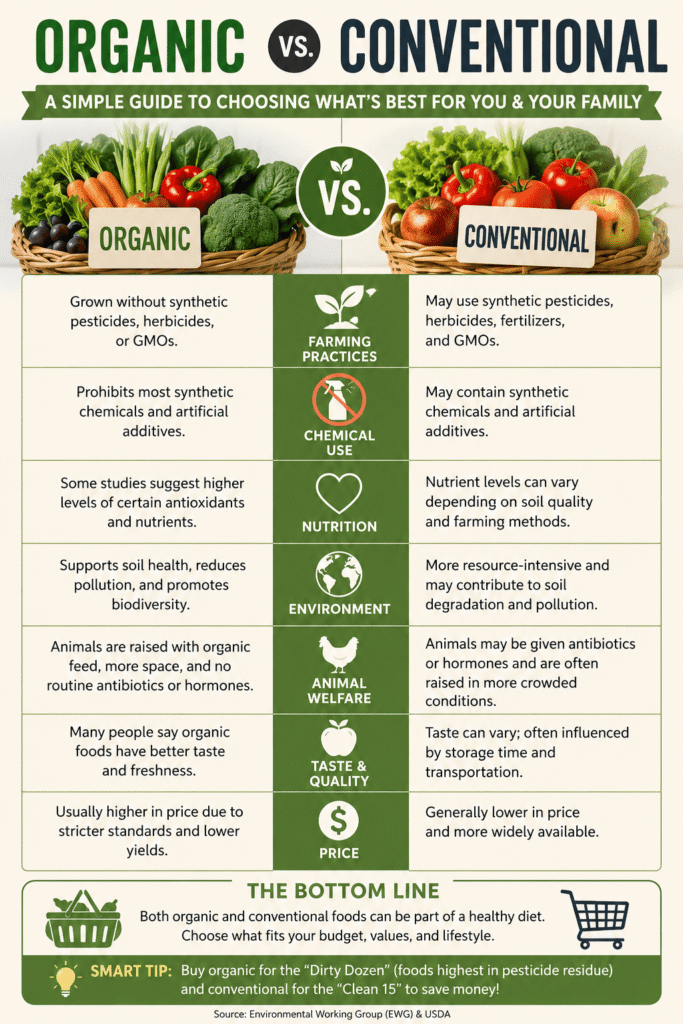
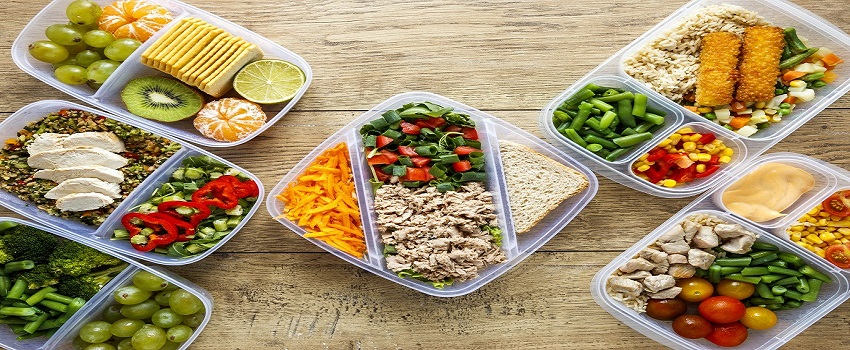
Eating healthier becomes more realistic when using cheap healthy meals for families strategies.
What Eating Organic on a Budget Really Means
Eating organic on a budget means choosing organic foods strategically so you get the benefits without overspending. Instead of buying everything organic, you focus on the foods that matter most and use smart shopping habits to keep grocery costs under control.
Why Organic Food Is Growing in Popularity
Many families are choosing organic foods for simple reasons:
- Organic farming avoids synthetic pesticides and chemicals.
- Many people believe organic produce tastes fresher.
- Organic farming supports more sustainable agriculture.
- Parents often want cleaner food options for their kids.
Because of these benefits, organic food demand keeps rising each year.
The Biggest Budget Mistake People Make
The most common mistake is trying to switch everything to organic at once.
This often leads to:
- Higher grocery bills
- Frustration at the store
- Giving up on organic food entirely
A smarter approach is to start small and prioritize. Focus on the foods that give the biggest benefit, then slowly add more organic choices over time.
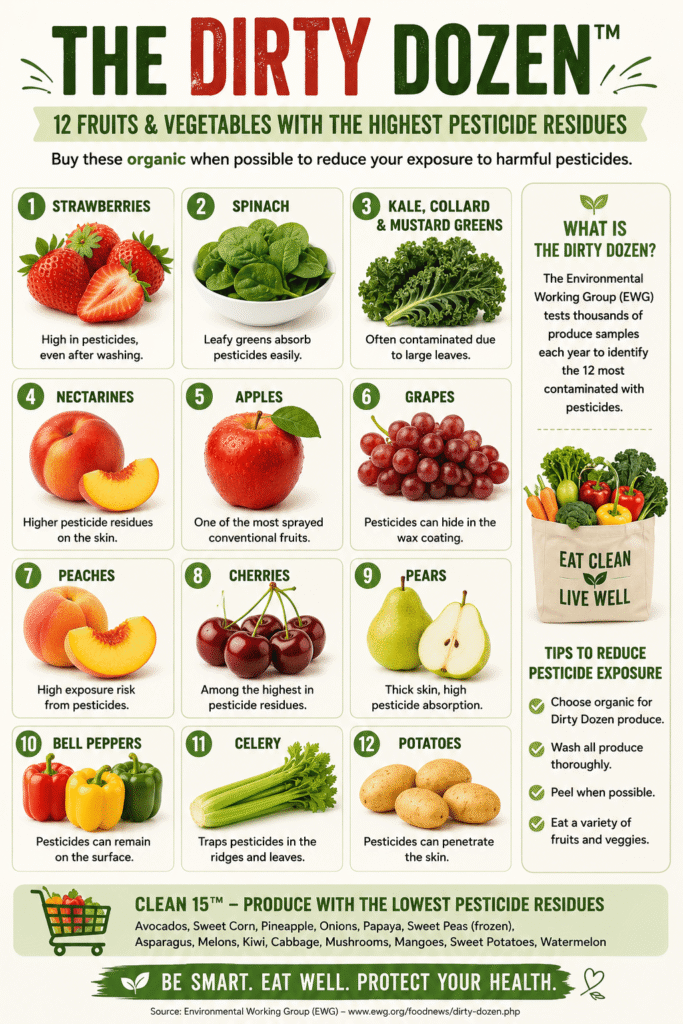
1. Start With the Dirty Dozen Rule
One of the easiest ways to eat organic on a budget is following the Dirty Dozen rule. This list highlights fruits and vegetables that tend to contain higher pesticide residues. Buying these items organic can reduce exposure while keeping your grocery spending under control.
Instead of trying to buy everything organic, start with the produce that matters most.
Foods Often Worth Buying Organic
- Strawberries
- Spinach
- Apples
- Grapes
- Peaches
- Cherries
- Bell peppers
These foods are commonly eaten fresh and may carry more pesticide residues, which is why many families choose organic versions first.
Foods That Are Often Lower Priority
Some fruits and vegetables usually have lower pesticide levels. Buying them conventional can help save money.
Examples include:
- Avocados
- Onions
- Pineapples
- Cabbage
- Sweet corn
Using this approach lets you enjoy organic food while keeping your grocery budget realistic.
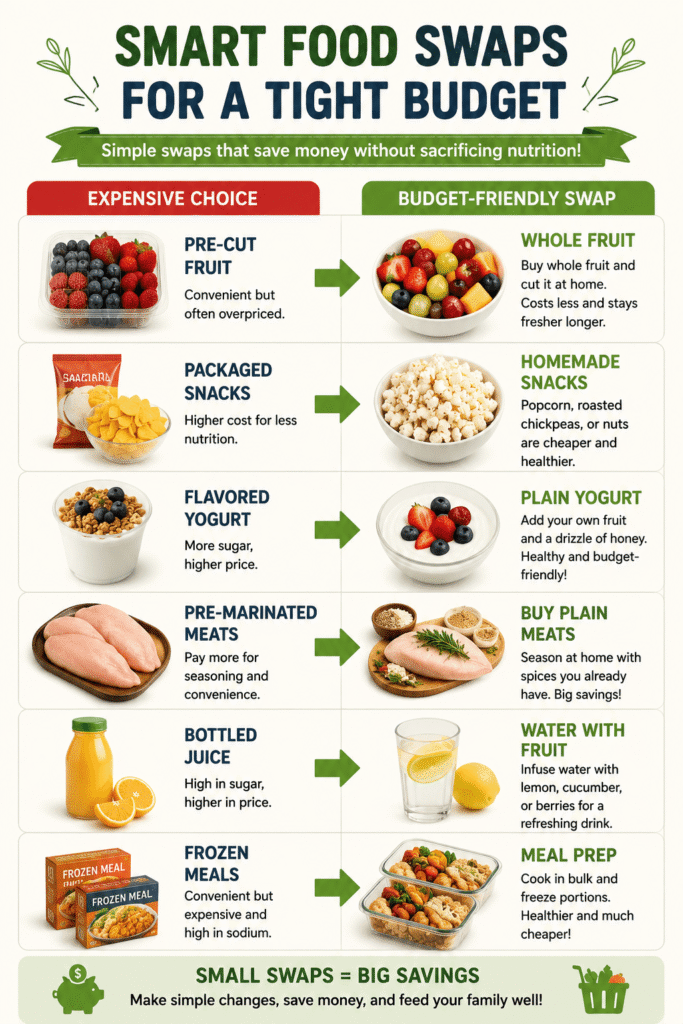
You can reduce costs by choosing cheapest produce to buy year-round.
2. Build Meals Around Cheap Organic Staples
One of the smartest ways to eat organic on a budget is to focus on foods that are naturally inexpensive. Many organic staples cost only slightly more than conventional versions and can stretch across several meals.
These simple foods form the base of many healthy, filling dishes. When families build meals around them, organic groceries become much more affordable.
Budget-Friendly Organic Staples
- Oats
- Brown rice
- Lentils
- Dried beans
- Potatoes
- Carrots
- Cabbage
These ingredients are cheap, nutritious, and easy to cook. They also store well, which means less food waste.
Why Staple Foods Save Money
Staple foods help stretch your grocery budget because they:
- Create filling meals with simple ingredients
- Work in many recipes
- Stay fresh longer in the pantry
Meals like lentil soup, rice and vegetable bowls, roasted potatoes, or oatmeal breakfasts can feed a family while keeping organic food costs low.
3. Buy Seasonal Organic Produce
One of the easiest ways to eat organic on a budget is to buy fruits and vegetables that are in season. When produce is harvested at the right time of year, farms grow larger quantities. That extra supply usually means lower prices at the store.
Seasonal produce also tends to taste better and stay fresh longer, which helps reduce food waste.
Why Seasonal Produce Costs Less
Seasonal organic food is often cheaper because:
- Farms produce it in higher amounts
- Transportation costs are lower
- Grocery stores run promotions to move fresh stock quickly
Shopping this way keeps organic groceries affordable.
Examples of Seasonal Produce
Spring
- Spinach
- Peas
- Lettuce
Summer
- Tomatoes
- Zucchini
- Berries
Fall
- Apples
- Pumpkins
- Sweet potatoes
Winter
- Cabbage
- Carrots
- Onions
When you plan meals around seasonal organic produce, you get fresher food while spending less at the grocery store.
4. Shop at Farmers Markets and Local Farms
Farmers markets can be one of the best places to find organic food at lower prices. Many small farms grow produce using organic practices but avoid the high costs of supermarket distribution. That often means fresher food and better prices for families.
Buying directly from local farmers also supports your community while giving you access to produce that was harvested recently.
Why Farmers Markets Can Be Cheaper
Organic food at farmers markets may cost less because:
- There are fewer middlemen involved
- Produce travels shorter distances
- Farmers sell directly to customers
This direct connection can lower prices compared with grocery stores.
Tips for Saving More at Farmers Markets
- Shop near closing time when vendors may reduce prices.
- Ask farmers about bulk discounts.
- Look for “seconds” produce that is slightly imperfect but still fresh.
- Buy seasonal fruits and vegetables for the best deals.
Using farmers markets regularly can make eating organic more affordable while helping families discover fresh local foods.
5. Choose Store-Brand Organic Products
Many grocery stores now offer their own organic products. These store-brand items usually cost less than well-known organic brands, even though the ingredients are often very similar.
Choosing store brands is a simple way to keep organic groceries affordable.
Why Store Brands Are Cheaper
Store-brand organic foods often cost less because:
- Stores spend less on marketing
- Packaging is simpler
- The products are made in large batches
This allows stores to sell organic items at lower prices while still meeting organic standards.
Store-Brand Organic Foods Worth Trying
- Organic oats
- Organic milk
- Organic eggs
- Organic pasta
- Organic canned beans
- Organic frozen vegetables
Switching just a few items to store-brand organic versions can reduce your grocery bill while still helping your family eat healthier.
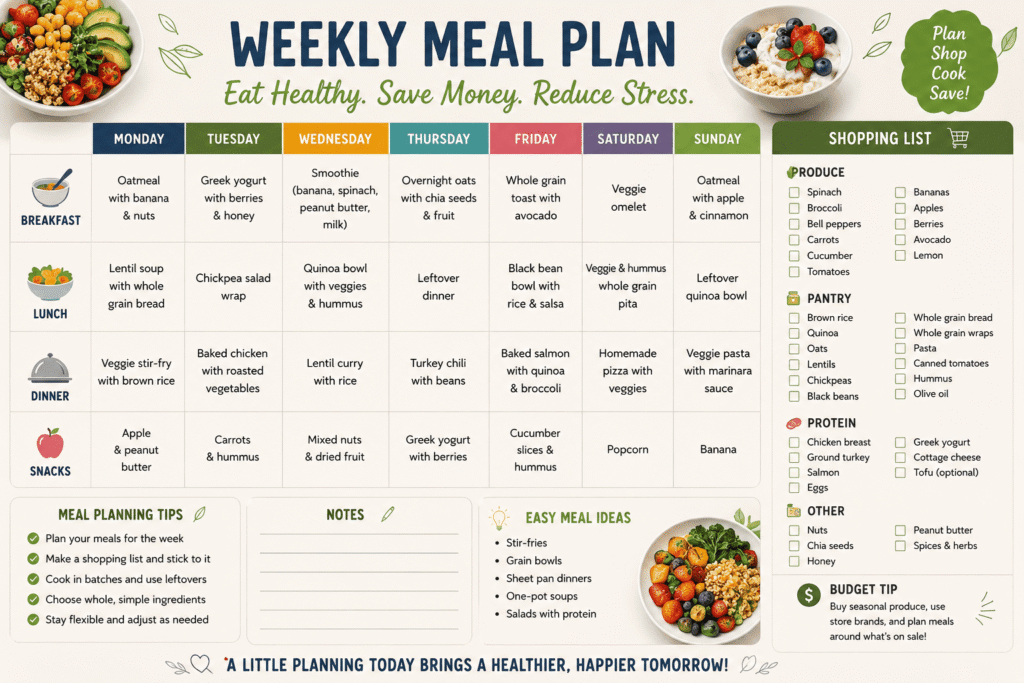
6. Plan Your Organic Meals Before Shopping
Meal planning is one of the most effective ways to eat organic on a budget. When you plan meals ahead of time, you avoid impulse purchases and only buy the ingredients you actually need.
A simple weekly plan helps families stay organized while keeping grocery spending under control.
How Meal Planning Saves Money
Planning meals before shopping helps because it:
- Prevents buying unnecessary items
- Reduces food waste at home
- Makes it easier to use ingredients in multiple meals
This approach works especially well when using affordable organic staples.
Simple Steps for Weekly Meal Planning
- Choose 4–5 dinners for the week.
- Use similar ingredients across meals.
- Check your pantry before making a grocery list.
- Write down the exact ingredients you need.
Even a short meal plan can make organic grocery shopping faster, cheaper, and less stressful for busy families.
For meal organization, use budget meal planning.
7. Reduce Food Waste to Stretch Your Organic Budget
Food waste quietly increases grocery costs. When organic produce goes bad before it’s used, families lose money. Reducing waste is one of the easiest ways to make organic food more affordable.
Using everything you buy helps stretch your grocery budget and keeps your kitchen organized.
Simple Ways to Reduce Food Waste
- Store fruits and vegetables properly so they stay fresh longer.
- Freeze extra produce before it spoils.
- Turn leftovers into new meals the next day.
- Cook smaller portions when possible.
Even small changes can make a big difference over time.
Smart Leftover Ideas
Leftovers don’t have to feel boring. They can easily become new meals.
Examples include:
- Roasted vegetables added to a stir-fry
- Leftover rice turned into fried rice
- Cooked beans used for tacos or soups
When families waste less food, they often save a surprising amount of money while still enjoying organic meals.
8. Buy Organic Food in Bulk
Buying in bulk can lower the price of many organic foods. Pantry staples like grains, beans, and oats are often cheaper when purchased in larger quantities.
Bulk buying also means fewer shopping trips and fewer chances for impulse purchases.
Organic Foods That Are Great for Bulk Buying
- Oats
- Brown rice
- Lentils
- Dried beans
- Quinoa
- Nuts and seeds
These foods store well and can be used in many meals throughout the week.
Tips for Smart Bulk Shopping
- Choose foods your family eats often.
- Store bulk foods in airtight containers.
- Avoid buying large amounts of items that spoil quickly.
When used carefully, bulk shopping helps families keep organic grocery costs lower while maintaining a well-stocked pantry.
9. Freeze Organic Produce Before It Spoils
Organic produce can spoil quickly if it isn’t used in time. Freezing extra fruits and vegetables is a simple way to prevent waste and stretch your grocery budget.
When you freeze food at the right time, you keep the nutrients and flavor while making ingredients last much longer.
Organic Foods That Freeze Well
- Berries
- Spinach
- Bananas
- Peas
- Broccoli
- Cooked beans
Frozen ingredients are perfect for smoothies, soups, stir-fries, and quick meals.
Easy Freezing Tips
- Wash and dry produce before freezing.
- Slice fruits like bananas or strawberries first.
- Use freezer bags or containers to avoid freezer burn.
Freezing organic produce helps families save money while always having healthy ingredients ready for meals.
10. Cook Simple Organic Meals at Home
Cooking at home is one of the easiest ways to eat organic on a budget. Restaurant meals and packaged foods often cost much more than cooking with basic ingredients.
Simple homemade meals also give you more control over what your family eats.
Why Home Cooking Saves Money
Cooking meals at home helps because:
- Basic ingredients cost less than prepared food
- Meals can be stretched into leftovers
- You control portion sizes and ingredients
Even a few homemade meals each week can reduce grocery and food spending.
Easy Budget Organic Meal Ideas
- Lentil soup with vegetables
- Rice and vegetable stir-fry
- Roasted potatoes and carrots
- Bean and vegetable chili
- Oatmeal with fruit
These meals use affordable organic staples and can feed a family without requiring expensive ingredients.
11. Grow a Few Organic Foods at Home
Growing some of your own food can reduce grocery costs and make eating organic easier. You don’t need a large garden to get started. Even a few small containers can produce fresh ingredients.
Home gardening also helps families enjoy food that is freshly picked and grown without chemicals.
Easy Foods to Grow at Home
- Herbs like basil, mint, and parsley
- Lettuce
- Tomatoes
- Green onions
- Spinach
These plants grow well in small spaces and can be harvested often.
Why Growing Food Saves Money
Growing a few items at home helps because:
- Herbs and greens are expensive in stores
- Fresh ingredients are always available
- You reduce the number of grocery purchases
Even a small balcony or windowsill garden can supply organic ingredients for many meals.
12. Choose Frozen Organic Foods When Fresh Is Expensive
Fresh organic produce can sometimes cost more, especially when it is out of season. Frozen organic fruits and vegetables are often cheaper and last much longer in the freezer.
They are picked and frozen quickly after harvest, which helps keep nutrients and flavor.
Frozen Organic Foods That Are Great for Meals
- Berries for smoothies and oatmeal
- Spinach for soups and stir-fries
- Broccoli for quick dinners
- Peas for rice dishes and pasta
- Mixed vegetables for stir-fries
These ingredients make it easy to prepare healthy meals without worrying about food spoiling.
Why Frozen Organic Foods Save Money
Frozen foods help families stay within budget because:
- They reduce food waste
- They are available year-round
- They often cost less than fresh organic produce
Keeping a few frozen organic options at home makes healthy cooking faster and more affordable.
13. Compare Prices Between Stores
Organic food prices can vary a lot between stores. A product that costs more at one grocery store might be much cheaper somewhere else. Taking a little time to compare prices can help families save money on organic groceries.
Many families discover that certain stores consistently offer better deals on organic items.
Places Where Organic Food May Be Cheaper
- Discount grocery chains
- Local farmers markets
- Warehouse clubs
- Small local grocery stores
- Online grocery platforms
Different stores often specialize in different products, so checking a few options can make a big difference.
Simple Ways to Compare Prices
- Pay attention to weekly store sales.
- Look at the price per unit on shelf labels.
- Notice which stores regularly discount organic produce.
By learning where the best deals are, families can keep their organic grocery budget under control.
14. Look for Organic Discounts and Clearance Deals
Many grocery stores regularly discount organic products, especially items that need to be sold quickly. Paying attention to these deals can help families buy organic food at much lower prices.
Stores often reduce prices on produce that is still good but close to its sell-by date.
Where to Find Organic Discounts
- Clearance sections in the produce area
- Discount racks for bakery items
- Weekly store promotions
- Manager markdown stickers
These sections often contain perfectly usable food at a fraction of the regular price.
Tips for Using Clearance Items
- Buy produce you can use within a day or two.
- Freeze fruits and vegetables if you cannot use them immediately.
- Plan meals around discounted ingredients.
Using clearance deals regularly is a simple way to eat organic while keeping grocery spending low.
15. Stick to Simple Organic Recipes
Simple meals are often the cheapest meals. Recipes with a few basic ingredients make it easier to eat organic without spending too much.
Complicated recipes usually require many specialty ingredients, which can increase grocery costs quickly.
Why Simple Recipes Help Your Budget
Simple recipes save money because they:
- Use fewer ingredients
- Rely on affordable staples
- Reduce food waste
They also make cooking faster for busy families.
Examples of Simple Organic Meals
- Vegetable and rice bowls
- Lentil soup with carrots and potatoes
- Roasted vegetables with olive oil
- Bean tacos with cabbage and salsa
- Oatmeal topped with fruit
These meals are easy to prepare and rely on affordable organic ingredients that stretch across multiple meals.
16. Focus on Filling Organic Foods
When eating organic on a budget, it helps to choose foods that are filling and satisfying. Foods rich in fiber, protein, and healthy carbohydrates keep people full longer, which means fewer snacks and less extra spending.
Building meals around filling ingredients helps families stay satisfied while keeping grocery costs under control.
Filling Organic Foods That Work Well for Families
- Beans and lentils
- Oats
- Brown rice
- Potatoes
- Whole grains
- Eggs
These foods are affordable, nutritious, and easy to use in many different meals.
Why Filling Foods Help Your Budget
Filling foods stretch meals because they:
- keep everyone satisfied longer
- reduce the need for expensive snacks
- work well in large family meals
Meals built around these ingredients make it easier to eat organic without increasing your grocery budget.
17. Start Small and Build Your Organic Routine
Switching to organic food doesn’t have to happen all at once. Trying to replace every item in your kitchen immediately can make grocery bills feel overwhelming. A better approach is to start with a few changes and build your routine over time.
Small steps make organic eating easier to maintain.
Easy Ways to Start
- Choose a few high-priority foods to buy organic.
- Add one or two organic staples to your weekly grocery list.
- Try simple organic meals that use affordable ingredients.
- Slowly expand your organic choices as your budget allows.
Why Starting Small Works
Starting gradually helps because it:
- Keeps grocery costs manageable
- Reduces stress while shopping
- Helps families build long-term habits
Over time, these small changes can lead to a healthier kitchen while still keeping your grocery budget under control.
Common Mistakes That Make Organic Food Expensive
1. Trying to Buy Everything Organic Immediately
This quickly overwhelms grocery budgets.
2. Buying Too Much Fresh Produce
Unused produce often becomes waste.
3. Shopping Without a Meal Plan
Impulse buying increases spending fast.
4. Buying Expensive Organic Snacks
Packaged organic snacks usually cost far more than homemade meals.
Example of a Cheap Organic Grocery List
A simple weekly organic grocery haul might include:
- oats
- brown rice
- lentils
- carrots
- potatoes
- cabbage
- bananas
- eggs
- frozen vegetables
- yogurt
These ingredients can create multiple breakfasts, lunches, and dinners while keeping grocery spending manageable.
Example:
According to the USDA, organic food sales continue to grow as more families look for healthier and environmentally friendly options.
The Best Long-Term Strategy for Eating Organic Cheaply
Families who successfully eat organic long term usually follow the same pattern:
- Prioritize important foods
- Cook simple meals
- Reduce waste
- Buy seasonal produce
- Slowly build better shopping habits
Is it really possible to eat organic on a budget?
Yes. Many families eat organic without spending more by choosing the right foods, buying seasonal produce, and building meals around inexpensive staples like beans, oats, rice, and potatoes. Planning meals and reducing food waste also helps keep grocery costs lower.
What is the cheapest organic food to buy?
Some of the cheapest organic foods include oats, lentils, dried beans, brown rice, potatoes, carrots, cabbage, and bananas. These foods are filling, nutritious, and can be used in many meals.
Should you buy everything organic?
No. A smarter approach is to prioritize certain foods. Many people choose organic for fruits and vegetables that may contain more pesticide residue, while buying other foods conventional to save money.
Are farmers markets cheaper for organic produce?
Often they are. Buying directly from local farmers can reduce costs because there are fewer middlemen involved. Shopping near closing time or buying seasonal produce can make farmers market prices even lower.
Is frozen organic produce a good option?
Yes. Frozen organic fruits and vegetables are often cheaper than fresh ones and last much longer. They are picked and frozen quickly after harvest, which helps preserve nutrients and flavor.
| Expensive Organic Choice | Budget-Friendly Alternative |
|---|---|
| Organic snack bars | Oatmeal with fruit |
| Pre-cut fruit | Whole seasonal fruit |
| Organic frozen dinners | Homemade rice bowls |
| Organic chips | Roasted potatoes |
Conclusion
Eating organic on a budget is possible with the right approach. By focusing on affordable organic staples, buying seasonal produce, planning meals ahead, and reducing food waste, families can enjoy healthier food without overspending.
Small changes can make a big difference. Choosing a few priority foods, cooking simple meals at home, and shopping smarter helps keep organic groceries affordable over time.
Eating organic does not require perfection or a huge grocery budget. Small smart changes over time can make healthy eating realistic for almost any family.