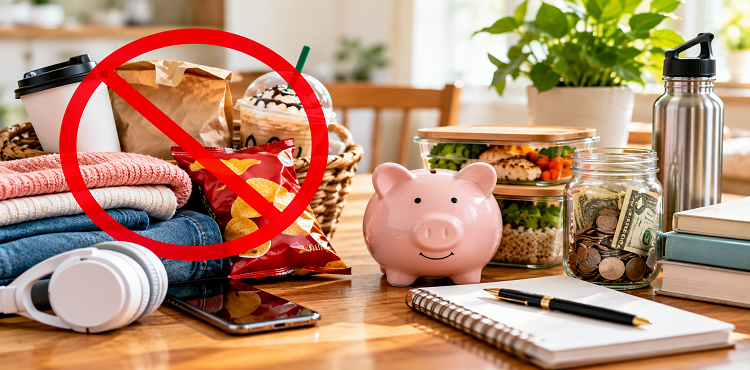
Things frugal people stop buying can help families save money without giving up the things they enjoy. The biggest savings often come from everyday purchases, unused subscriptions, expensive convenience products, and impulse shopping. Frugal living is not about buying the cheapest option every time. It is about spending on what matters and avoiding purchases that waste money. Whether you want to lower your grocery bill, reduce household expenses, or build an emergency fund, these practical changes can help your family spend less and make better financial decisions.
What Does It Mean When Frugal People Stop Buying Things?
Frugal people stop buying products and services that offer little value for their cost. They look for cheaper alternatives, reuse what they already own, and avoid purchases driven by habits or trends. The goal is to reduce unnecessary spending while keeping the essentials and experiences that make family life better.
27 Things Frugal People Stop Buying
These common purchases can quietly drain a family budget. Frugal households often replace them with reusable products, simple homemade alternatives, or more thoughtful spending habits.
Everyday Purchases and Groceries
- Bottled water: Use safe tap water and reusable bottles when practical.
- Daily coffee shop drinks: Make coffee at home and save café visits for occasional treats.
- Pre-cut produce: Buy whole fruits and vegetables when the savings justify the preparation time.
- Single-serving snacks: Buy larger packages and portion them at home.
- Frequent takeout meals: Plan simple dinners and use leftovers for lunch.
- Brand-name pantry staples: Compare store-brand rice, pasta, flour, and canned foods.
- Groceries bought without a plan: Shop with a list and check your pantry first.
- Food that regularly goes to waste: Buy realistic quantities and freeze extra portions.
Household and Personal Items
- Disposable cleaning wipes: Use washable cloths for suitable everyday cleaning tasks.
- Too many specialty cleaners: Choose a few effective products that suit your household’s needs.
- Single-use kitchen products: Replace suitable disposables with reusable alternatives.
- Fast-fashion impulse buys: Choose clothing that fits your needs and lasts.
- Duplicate beauty products: Finish what you already own before buying replacements.
- Trendy accessories: Buy items you will use regularly rather than following every trend.
- Unnecessary home decorations: Reuse existing decor or refresh a room without buying more.
- Cheap items that break quickly: Compare durability and long-term cost, not just the price.
Family Expenses and Recurring Charges
- Unused streaming subscriptions: Cancel services your family rarely watches.
- Forgotten app memberships: Review recurring payments every month.
- Toys children quickly abandon: Borrow, swap, or buy secondhand when appropriate.
- New books every time: Use libraries, book swaps, and used bookstores.
- Expensive convenience fees: Avoid rush shipping and delivery charges when planning ahead is possible.
- Brand-new items for every need: Consider borrowing, repairing, or buying quality used goods.
- Shopping just because something is on sale: Buy only what you need or will realistically use.
- Frequent clothing upgrades: Repair usable clothes and replace worn-out essentials.
- Duplicate household supplies: Check cupboards before restocking.
- Unnecessary warranties and add-ons: Compare the cost, coverage, exclusions, and risks before paying extra.
- Impulse purchases: Wait before buying nonessential items and decide whether they fit your budget.
How Can You Stop Buying Things You Don’t Need?
The easiest way to stop unnecessary spending is to change one habit at a time. Review recent purchases, identify repeat expenses, and choose realistic alternatives. Small changes are easier to maintain than strict rules that make family life difficult.
Five Steps to Spend Less
- Review your spending. Check your bank statements and identify avoidable purchases.
- Choose three spending leaks. Start with categories such as takeout, subscriptions, or impulse shopping.
- Set a waiting period. Wait 24 hours before small nonessential purchases and longer before expensive ones.
- Make a cheaper replacement plan. Pack snacks, borrow tools, cook at home, or repair items when practical.
- Track the savings. Move the money you do not spend toward emergency savings, debt repayment, or another family goal.
How Does Buying Less Help Families Save Money?
Cutting low-value purchases gives families more control over their money. The savings can help cover essential bills, prepare for unexpected expenses, reduce debt, or fund meaningful experiences. Buying less can also reduce clutter and waste, especially when families use what they already own instead of constantly replacing it.
Try calculating the cost of a repeated habit. Saving $25 a week adds up to $1,300 over 52 weeks, provided you maintain the savings.
What should I stop buying first to save money?
Start with frequent, nonessential purchases such as takeout, unused subscriptions, convenience snacks, and impulse buys. Choose the expenses that are easiest to reduce without affecting your family’s essential needs.
Do frugal people always buy the cheapest option?
No. They compare quality, durability, and cost per use. A reliable product that lasts longer may offer better value than a cheaper item that needs frequent replacement.
How can I stop impulse buying?
Use a shopping list, remove shopping apps that encourage browsing, unsubscribe from promotional emails, and wait before making nonessential purchases. Give yourself time to decide whether you genuinely need the item.
Can buying less really save a family money?
Yes. Repeated savings can add up over time. The result depends on your starting expenses, the purchases you cut, and whether you consistently keep the money you save.
Start Saving With One Small Change
The best things frugal people stop buying are the purchases that cost money without adding enough value. You do not need to change your entire lifestyle overnight. Pick one unnecessary expense, replace it with a practical alternative, and track your savings for 30 days.
Small, consistent changes can give your family more room in the budget for what matters most.