To live on almost no money is a question many families face when income falls short of bills, prices rise, or an unexpected expense hits. The answer is not to go without food or medicine. Protect essentials, cut costs that do not support your household, and use available resources. A bare-bones budget, low-cost meals, free community help, and a plan for extra income can make limited money last longer while you work toward more stable finances. You do not have to change everything at once; start with the most urgent expense.
What Does It Mean to Live on Almost No Money?
Living on almost no money means covering basic needs with very limited income while reducing nonessential spending. It does not mean risking your health or safety. Protect the expenses that keep your family housed, fed, healthy, and able to work or attend school.
Protect housing, food, necessary healthcare, utilities, and transportation for work or school.
7 Practical Ways to Live on Almost No Money
The best way to stretch a tiny budget is to combine several changes rather than rely on one trick. Start with major costs, then reduce everyday waste. Choose steps that fit your household, location, and safety needs; small repeatable changes are easier to maintain than extreme rules.
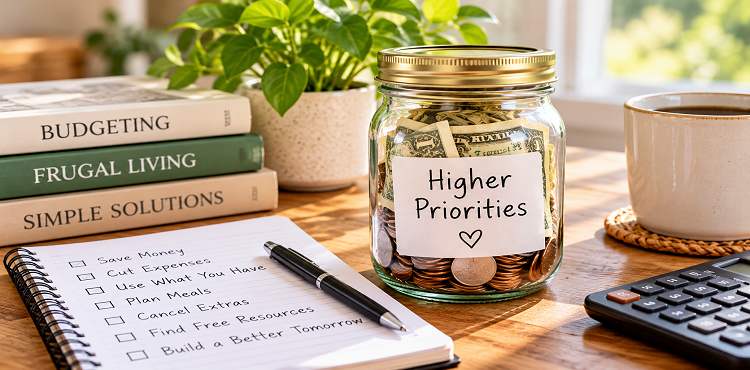
- Budget first. List available cash, expected income, essential bills, and due dates.
- Plan meals around pantry food. Use rice, oats, beans, lentils, eggs, potatoes, and vegetables.
- Cut recurring bills. Cancel unused subscriptions and ask providers about cheaper plans.
- Lower transportation costs. Combine errands, carpool, or use public transit when practical.
- Use free or secondhand resources. Try libraries, swaps, giveaway groups, borrowing, and repairs.
- Ask for help early. Check food pantries, utility plans, housing support, and school meal programs.
- Seek extra income. Consider extra shifts, selling unused items, tutoring, or cleaning. Avoid offers requiring upfront fees.
What Should You Do First When Money Will Not Cover the Bills?
When income cannot cover every bill, make a short-term plan before spending. List what is due before your next payday, protect immediate essentials, and contact providers early if you cannot pay in full. You may be offered a payment plan or hardship option.
- Check available money and your next income date.
- List essential expenses and due dates.
- Contact providers before missing a payment. Seek local help immediately if food, medicine, or safe housing is at risk.
Avoid payday loans when possible because their fees can make a tight situation worse.
Money-Saving Habits That Make a Tight Budget Easier
Small routines can prevent impulse spending and reveal overlooked costs. They also help you repeat what works each month. Frugal habits create breathing room, but if essentials still cost more than your income, you may need assistance, lower major expenses, or more income.
- Wait 48 hours before nonessential purchases.
- Review bills and transactions weekly.
- Use leftovers and freeze food before it spoils.
- Put savings toward urgent bills or a small emergency cushion.
Every family’s options depend on housing costs, income, health needs, and local support. These answers cover common first steps, but assistance eligibility and payment options vary by location. If food, medicine, or safe housing is at risk, seek local support rather than trying to solve everything through cuts alone.
How Can I Live on Almost No Money?
Protect housing, food, utilities, healthcare, and essential transportation. Cut nonessential spending, use free resources, and seek help if you cannot cover basic needs.
What Is the Cheapest Way to Eat?
Cook with affordable staples such as beans, lentils, rice, oats, potatoes, eggs, and seasonal vegetables. Plan meals and use leftovers to reduce waste.
What Should I Do If I Cannot Pay My Bills?
Contact providers before the due date and ask about hardship plans. Seek local help if food or housing is at risk.
Can You Live on Almost No Money Long Term?
Extreme frugality can help during a crisis, but it may not fix a lasting income shortfall. Review major costs, check assistance options, and look for sustainable ways to earn more.
Start With One Change Today
Learning how to live on almost no money starts with protecting essentials and making a clear plan. Choose one expense to reduce, contact a provider if you need help, or plan a few low-cost meals today. Small steps can help your family regain control.